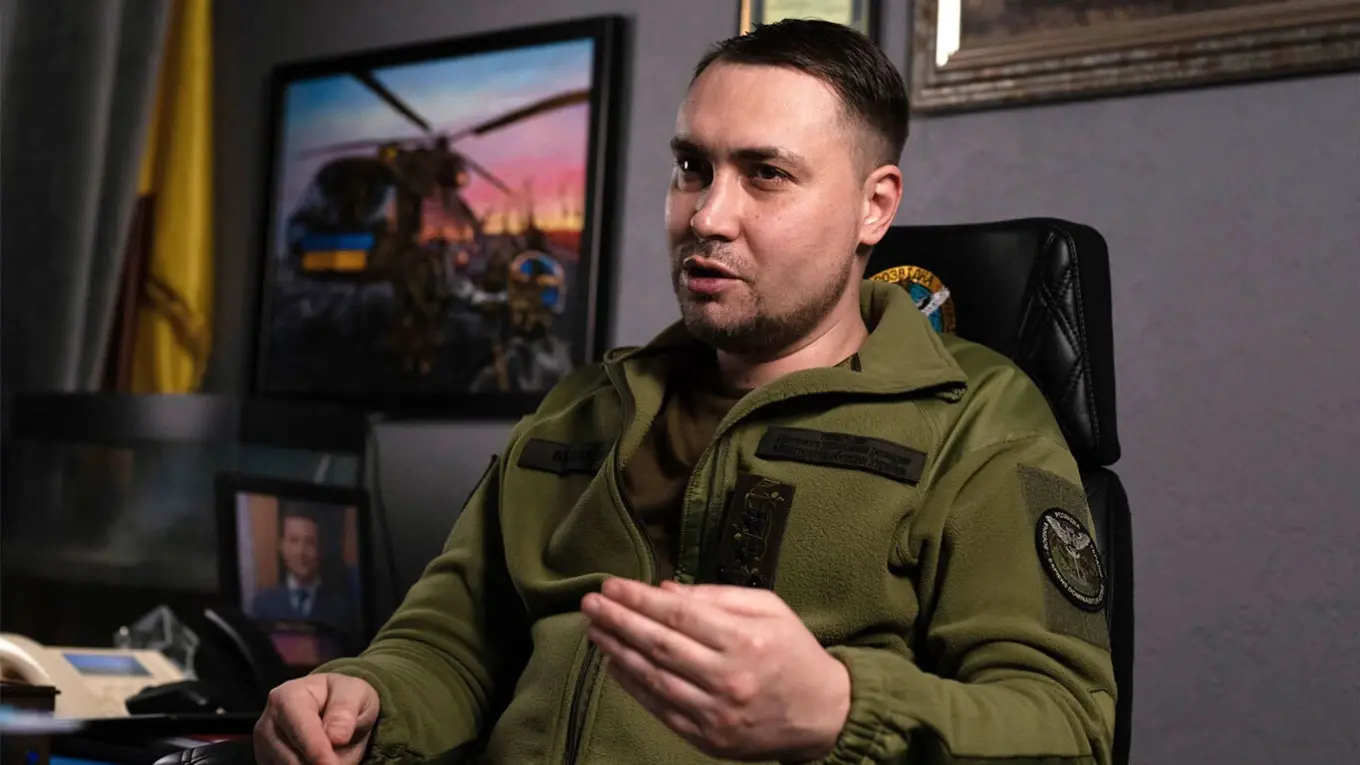
Russian AI drone kills three at Zaporizhzhia gas station
Ukrainian investigators revealed that a Russian drone, equipped with AI technology and lacking operator communication, killed three civilians at a Zaporizhzhia gas station. The drone used an Nvidia Jetson Orin minicomputer to independently make targeting decisions. Forensic analysis confirmed the drone's autonomous operation during a wave of attacks on the city.

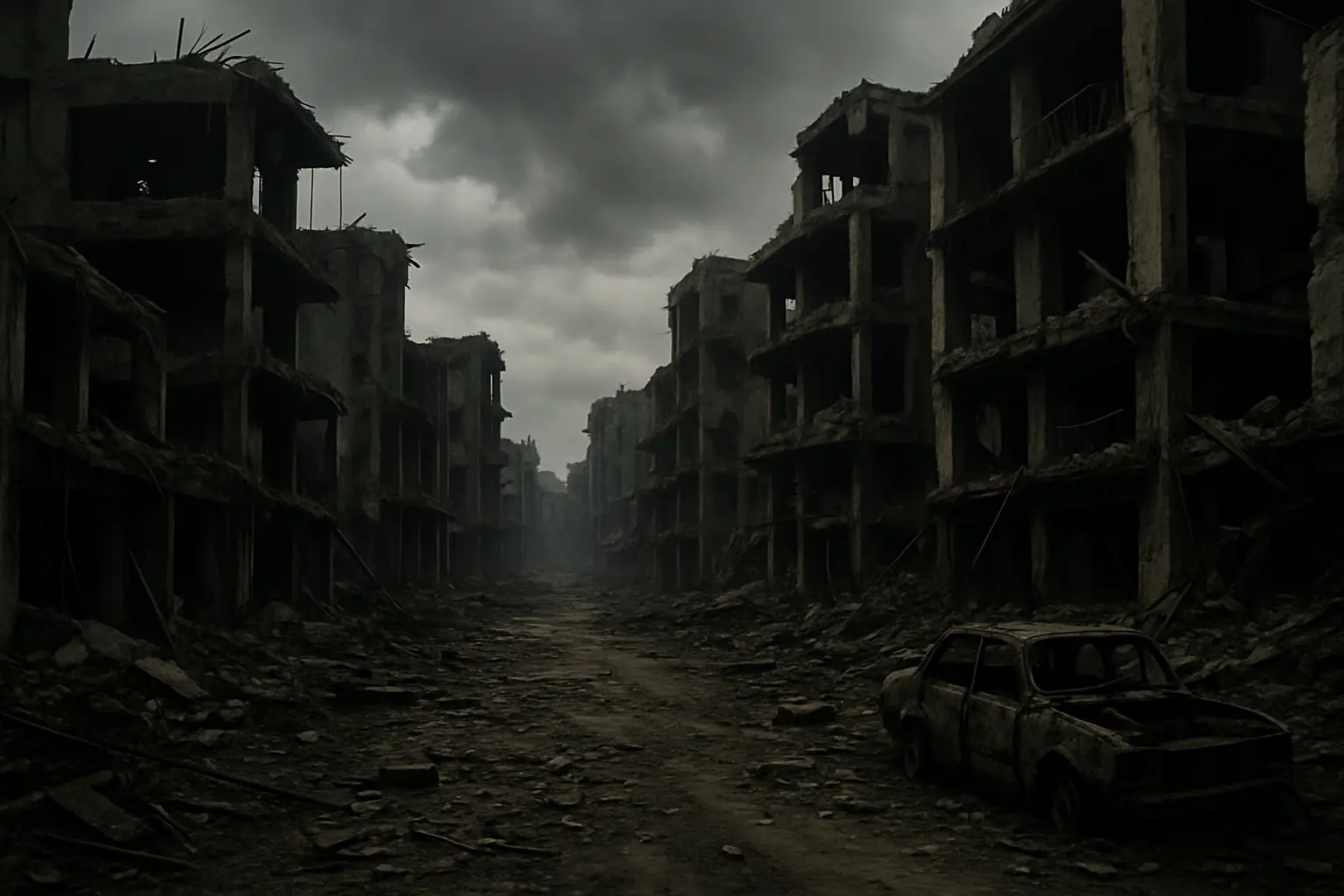
Imagine generată cu inteligență artificială
A Russian drone operating without human control killed three civilians at a gas station in Zaporizhzhia, Ukraine, on July 6, according to Ukrainian investigators who examined the wreckage and published their findings through The New York Times on August 24, 2026.
The dead were a 19-year-old university student and two men aged 41 and 48, Ukrainian authorities confirmed to the NYT. The drone carried no antenna for communication with an operator but was equipped with a video camera and an Nvidia Jetson Orin minicomputer, which Ukrainian made the final targeting decision independently.
"The drones had no antennas for communicating with an operator, though they did carry video cameras," Ukrainian officials told NYT reporters who were granted direct access to the wreckage.
The strike occurred during a wave of Russian drone attacks on the city. Six drones flew over Zaporizhzhia that day. None transmitted radio signals, Ukrainian investigators said. The absence of communication hardware, combined with the presence of the Nvidia module, led forensic teams the devices operated autonomously from launch to impact.
Ukrainian officials recovered wreckage from two of the drones and showed the Nvidia minicomputers to NYT reporters, who photographed the devices. The module in the drone that struck the gas station was not encrypted, allowing investigators to access terrain images preloaded into the system. These images enabled the drone to follow a programmed course toward its target.
The drone's code revealed the types of targets it had been trained to identify, Ukrainian experts said. An operator programmed the drone to head toward a general location, such as a gas station, while the AI system selected the final target, in this case, propane tanks, based on its training.
Some of the Russian drones exploded during the attack. Others failed to detonate and remained largely intact, Ukrainian officials said. Wreckage from similar drones had been recovered before July 6, with the same configuration: no antenna, a video camera, and a minicomputer.
The State Emergency Service of Ukraine posted images on Facebook showing the aftermath of the strike. The attack was part of a broader Russian campaign using drones launched in successive waves to overwhelm Ukrainian air defenses.
Russia has been testing autonomous AI drones in Zaporizhzhia since May, according to Ukrainian officials. The deployment marks a shift from previous uses of machine vision, which had been limited to the final stage of an attack after a human operator selected the target. The introduction of fully autonomous AI removes the human from the final targeting decision.
Nvidia manufactures the Jetson Orin minicomputer found in the drone wreckage. The modules, costing a few hundred dollars each, power some of the world's most advanced AI systems. Ukrainian investigators said they have found similar Nvidia modules in other Russian weapons recovered from the battlefield. Nvidia has not commented on their presence in military systems.
Ukraine is also testing AI in its own drone models. In Russian-annexed Crimea, Ukraine's armed forces are conducting tests of AI systems that can select targets independently, according to former Defense Minister Mykhailo Fedorov. No deaths have been reported from these Ukrainian AI drone tests.
The July 6 strike marked the first documented instance in Ukraine in which a drone believed to be fully autonomous killed civilians, according to Ukrainian experts cited by the NYT.
Forensic investigators said the lack of communication antennas on the Russian drones was a critical factor in their assessment that the devices operated autonomously. The drones' ability to carry video cameras and store terrain images further supported the conclusion that the final targeting process was managed by AI.
The Ukrainian team that examined the drone wreckage gained access to the unencrypted Nvidia module, which allowed them to analyze the data and code stored on the device. This analysis revealed both the operational route and the types of targets the drone was trained to recognize. The investigators concluded that the AI system enabled the drone to identify specific features, such as propane tanks at a gas station, and select them as targets independently.
Russian forces have used drone swarms in attacks on Ukrainian cities throughout the conflict, but the use of fully autonomous AI systems represents a new development. Ukrainian officials said the July 6 attack in Zaporizhzhia was not the first time they had encountered drones with similar configurations, though previous incidents did not result in civilian deaths.
The NYT article noted that the wreckage of the killer drone itself was not shown to reporters, though they were able to photograph Nvidia modules in two other drones recovered after the attack.
The cost of the Nvidia Jetson Orin minicomputers makes them accessible for large-scale deployment in weaponized drones, Ukrainian investigators said. The integration of commercially available AI hardware into Russian drones could accelerate the adoption of autonomous systems on the battlefield.
Ukraine's own development of AI-guided drones has focused on testing in Crimea, with the aim of improving the military's ability to strike high-value targets while minimizing risks to noncombatants. According to Mykhailo Fedorov, Ukraine's AI systems are capable of selecting targets independently, though no fatalities have been linked to these systems.
Both Russia and Ukraine have expanded their use of AI in drone warfare since the beginning of the conflict. Most AI applications in weaponized drones were previously limited to target recognition and tracking, with human operators responsible for the ultimate decision to engage. The deployment of fully autonomous drones marks a significant escalation in the technological arms race between the two countries.
The July 6 attack has intensified scrutiny of the ethical and legal implications of autonomous weapons systems. Ukrainian officials, citing their findings from the drone wreckage, have called for greater international attention to the risks posed by AI-driven warfare.
Russian authorities have not commented publicly on the specific use of AI-guided drones in Zaporizhzhia. The NYT article is based on Ukrainian sources and direct observation of drone wreckage, as well as technical analysis of the minicomputers recovered from the scene.
The Ukrainian investigation into the July 6 strike remains ongoing. Officials continue to examine drone components and software recovered from crash sites. The findings from Zaporizhzhia are being shared with international partners, according to Ukrainian authorities.
The State Emergency Service of Ukraine continues to document the aftermath of drone attacks on civilian infrastructure. The July 6 strike at the gas station in Zaporizhzhia is one of several incidents under review by Ukrainian forensic and military teams.
The incident marks the first confirmed case of an autonomous AI system making independent targeting decisions in combat, raising urgent questions about accountability and the need for international protocols governing lethal autonomous weapons systems.
Source: www.nytimes.com
Comentarii
Fii primul care comentează.

Cluj's ban on Russian symbols: the right call amid Olympic evasion

Facebook inaccessible for thousands worldwide with 'Account Temporarily Unavailable' errors

Can Europe deter Russia's shadow war with Cold War tools