Turda mayor accused of incompatibility by integrity agency
The National Integrity Agency (ANI) has accused Turda Mayor Cristian Matei of incompatibility for over four years. Matei allegedly engaged in remunerated activities deemed incompatible with his mayoral duties, earning 10,003 lei. The activities, conducted from October 2020 to December 2024, allegedly violate Romanian law. Matei can contest the findings in court.

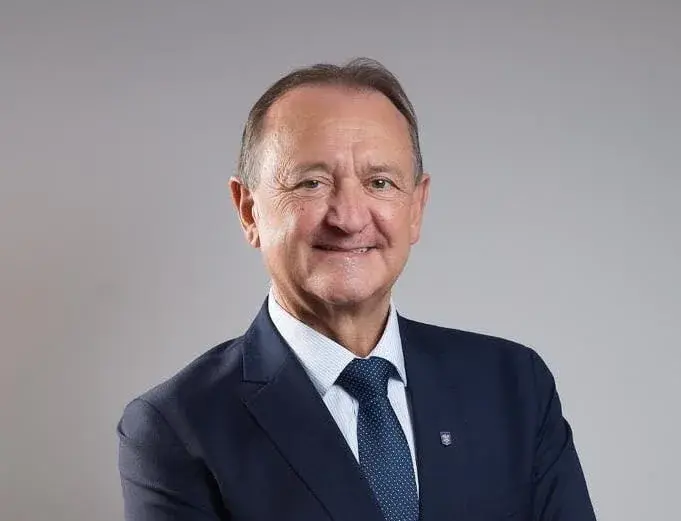
Cristian Matei, the mayor of the municipality of Turda, is under the scrutiny of the National Integrity Agency after inspectors identified a possible incompatibility related to paid activities carried out in parallel with his mandate. According to the ANI report, the mayor allegedly received 10,003 lei from economic activities conducted through an association contract over the course of four years, meaning around 2,000 lei per year.
The findings refer to the period between October 14, 2020, and December 31, 2024. Matei carried out activities as a registered sole trader (PFA), through an association contract, obtaining income that integrity inspectors consider incompatible with the position of mayor. The sum of 10,003 lei, although modest, falls under the scope of the integrity rules governing the activity of local elected officials. This is a figure that raises questions in the context where Romania's parliamentarians have the possibility to receive money monthly from the state for parliamentary activities, from which they can pocket half of the €7,000 sum—meaning around 17,500 lei monthly—without being required to justify how that money was spent.
ANI invokes Article 87, paragraph (1), letter k) of Law 161/2003, which prohibits mayors from carrying out other paid activities during their mandate. The law provides clear exceptions: teaching activity and participation on the boards of directors of associations, foundations, or non-governmental organizations. The inspectors determined that the income obtained by Matei does not fall under any of these exceptions. For ANI, any material benefit obtained during the mandate, outside of the mayor's salary and legal exceptions, constitutes a violation of integrity rules.
The evaluation report is not final. Matei can contest the findings in court, and the legal clarification of the situation remains the responsibility of the justice system.
The case brings back into discussion the incompatibility rules that apply to local elected officials. Mayors, vice-mayors, and local councilors are required to respect a set of restrictions regarding the economic activities they can carry out during their mandate. The purpose of the legislation is to prevent conflicts of interest and to ensure that public functions are exercised without external influences or competing personal interests.
In practice, numerous mayors have been sanctioned by ANI for activities considered incompatible, ranging from consulting and trade to providing services through their own companies—including Clotilde Armand, who was the USR mayor of Bucharest's Sector 1 during the 2020–2024 period, or Dominic Fritz, the current president of the USR party. Court jurisprudence has largely validated the strict interpretation of the law, considering that any paid activity, outside of those expressly permitted, triggers a state of incompatibility, even if the local official is not guilty of absolutely anything.
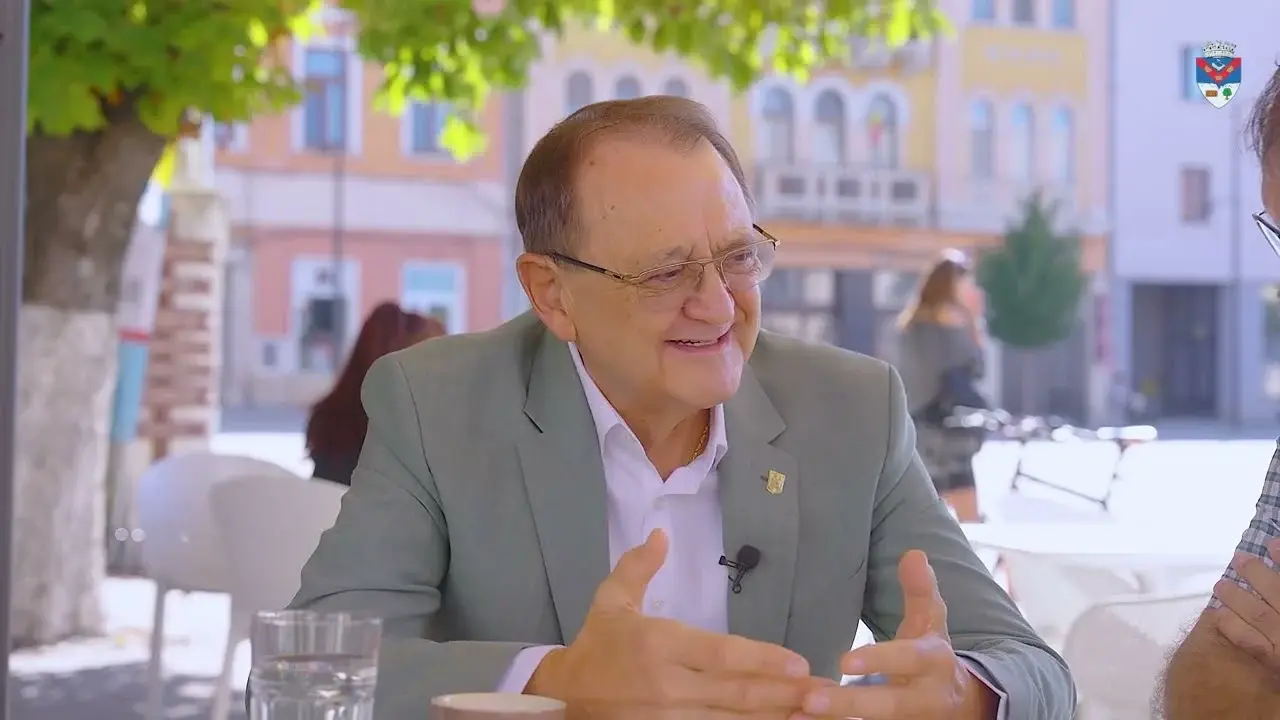

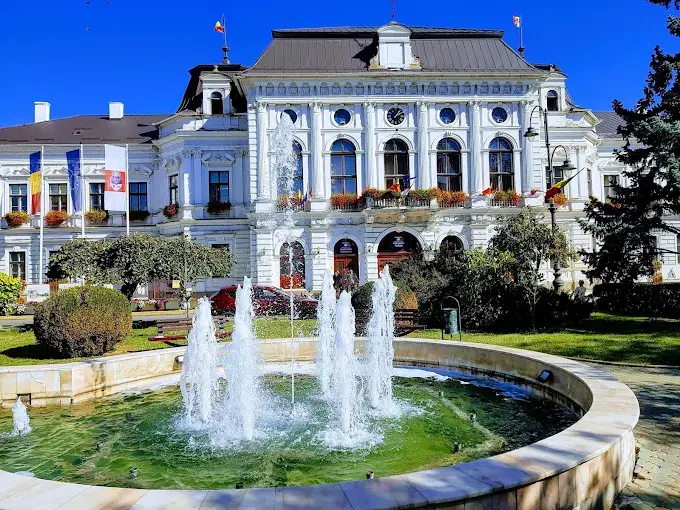
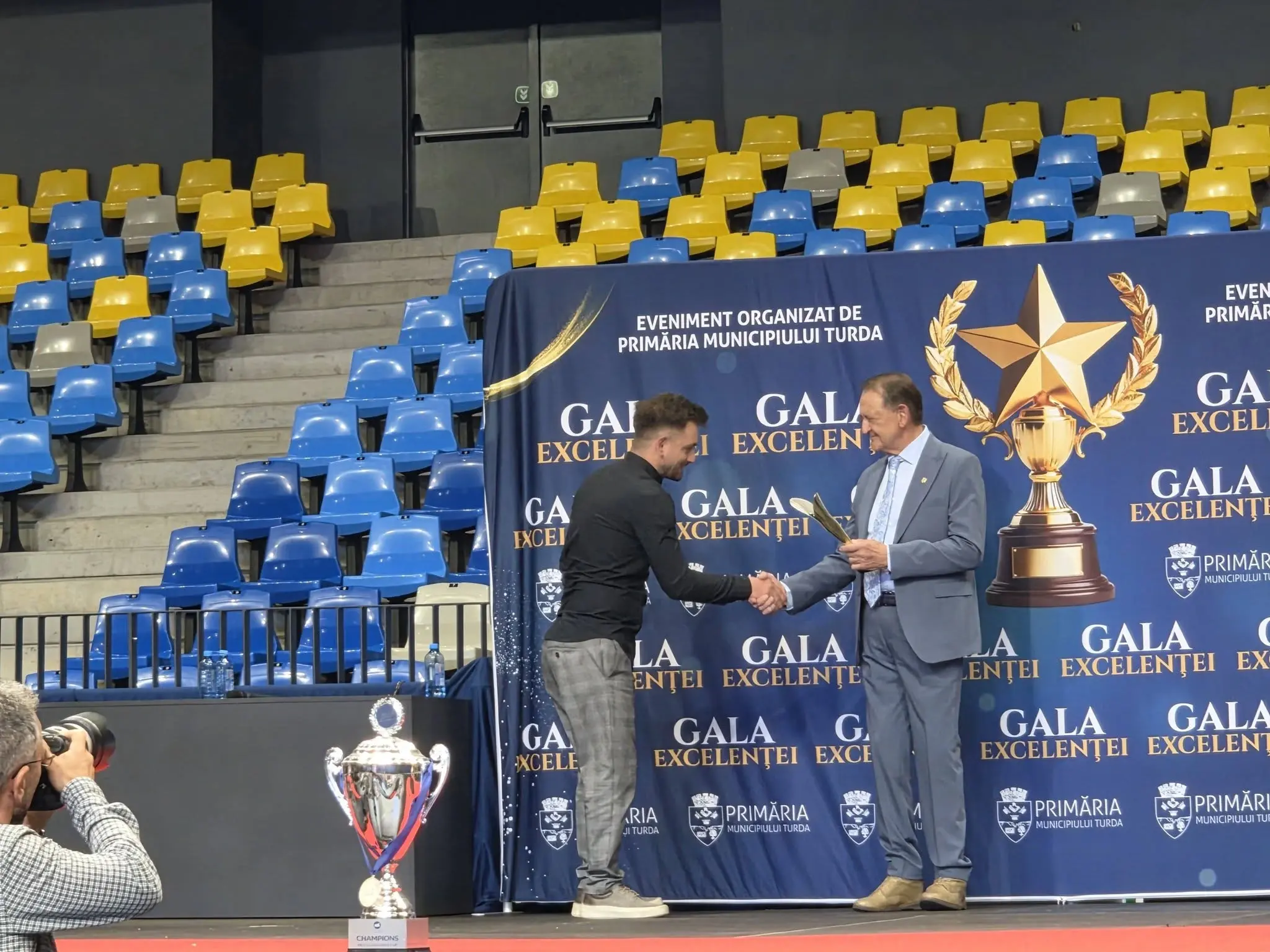
In recent years, the municipality has seen several infrastructure and urban development projects, and the mayor has built his image on realizing multiple modernization projects for Turda and attracting European funds. The ANI notification does not block his activity, but it can affect his political credibility, especially in a context where the integrity of local elected officials has become a sensitive topic in public debate.
Until a final decision of the court, Matei remains in office. If the incompatibility is confirmed by the judges, the mayor risks losing his mandate and being banned from holding public office for a period of three years.
The 10,003 lei figure, roughly €2,000 at current exchange rates, is modest. Yet the law makes no distinction by amount. One leu or ten thousand: the prohibition is absolute. Matei's case joins a growing list of integrity probes in Cluj County. In 2023, ANI flagged a county councilor for similar issues; that case ended in a court-ordered forfeiture of income. Another mayor in the region faced incompatibility charges in 2022 over a rental contract signed while in office. The court upheld ANI's findings. Whether Matei's situation follows the same path depends on his legal strategy and the evidence he presents. Courts have occasionally sided with officials, ruling that certain activities fall within the law's exceptions or that ANI misapplied the statute.
For now, the mayor continues in office. Romanian law does not suspend an official based on an ANI report alone. Only a final court decision triggers removal or forfeiture of income earned during the incompatible period. The case also prompts questions about enforcement. ANI relies on declarations of assets and interests, which officials must file annually. Matei's declaration for 2020-2024 presumably listed the association contract and the income. How ANI identified the incompatibility, whether through routine audit or a complaint, remains unclear.
Turda residents have expressed mixed reactions on local social media. Some defend Matei, noting his work on infrastructure projects, including road repairs and the modernization of the city's thermal baths. Others argue that the law exists for a reason and that elected officials must comply, regardless of the amount involved. The integrity agency's report does not specify the nature of the association contract or the work Matei performed. ANI documents typically omit such details, focusing instead on the legal classification of the activity and the income generated. Matei's legal team, if he chooses to contest the report, will likely argue either that the work falls under one of the law's exceptions or that the income does not constitute a material benefit as ANI defines it. Both arguments have succeeded in past cases, though outcomes vary widely depending on the specifics.
The court process, once initiated, can take months or even years. During that time, the mayor's political standing may shift. Local elections are not scheduled until 2028, but the allegations could influence his party's support and his ability to govern effectively. ANI's mandate extends beyond incompatibility. The agency also investigates conflicts of interest, unjustified wealth, and false declarations. In 2023, it issued over 1,200 reports nationwide, covering officials at every level of government. Roughly one-third resulted in court proceedings.
Turda's city council has not commented on the ANI report. Under Romanian law, the council has no formal role in incompatibility cases unless a final court decision requires action, such as declaring a seat vacant. Matei's situation is not unique, but it is public. ANI publishes all evaluation reports on its website, naming officials and detailing alleged violations. The transparency is deliberate: the agency's founders intended it as a deterrent, a signal that public service carries scrutiny. Whether that scrutiny will cost Matei his position, his income, or simply his reputation depends on what happens next in court.
Comentarii
Fii primul care comentează.