EU faces defence shortfalls as Russia tensions rise
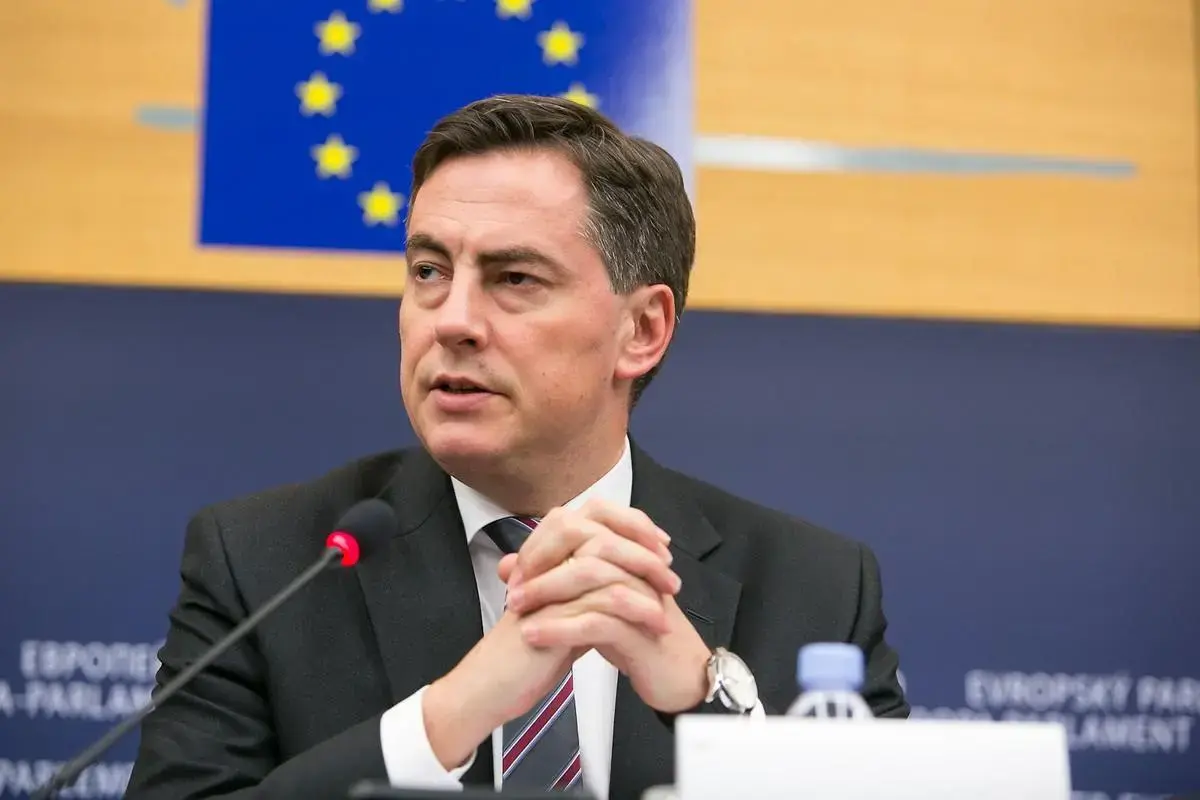
David McAllister, chair of the EU Parliament Foreign Affairs Committee, highlights Europe's reliance on US defence capabilities. He calls for a strong European defence by the decade's end, citing threats such as Russian airspace violations and cyberattacks. McAllister emphasizes urgent action to close defence gaps and improve military capabilities. German Chancellor Friedrich Merz leads proposed EU budget cuts, while EU Council President Antonio Costa seeks budget agreement by 2028. The far-right AfD party's rise in Germany's regional elections adds to the political complexity.
Arhivă
David McAllister, chair of the EU Parliament Foreign Affairs Committee, has stressed the urgent need for Europe to strengthen its defence capabilities. Addressing the current geopolitical climate, McAllister noted, "We are not at war with the Russian Federation, but we are no longer at peace with Russia." This statement highlights the growing tensions between Europe and Russia, especially as Europe relies heavily on United States defence support.
McAllister insists that Europe must craft a strong defence strategy by the end of the decade. This move is critical to counter imminent threats, requiring more efficient defence spending. Europe currently lacks military capabilities in key areas such as ammunition, anti-drone systems, satellite intelligence, and air-to-air refuelling.
The urgency to address these defence gaps is highlighted by ongoing Russian actions. Russia has been involved in regular airspace violations and attacks on critical infrastructure, including cyberattacks. Recently, Germany received international support following a drone attack on Leipzig airport, attributed to Russian special services. McAllister reiterated that an attack on one EU member is an attack on all, advocating for continued sanctions against Russia and those involved.
In response to these security challenges, McAllister calls for innovative strategies to safeguard critical infrastructure. Meanwhile, German Chancellor Friedrich Merz is leading efforts to propose cuts to the EU's Multiannual Financial Framework (MFF), while EU Council President Antonio Costa aims for an agreement on the MFF by January 1, 2028. The year 2027 is set for legislative preparations and planning for the 2028-2034 period.
Adding to the political field, the far-right Alternative for Germany (AfD) party has recently gained ground in German regional elections. The AfD's platform, which challenges the foundations of Germany and the EU, opposes the EU, the euro, and NATO, and supports a pro-Putin stance. Despite this rise, the German Christian Democrats have distanced themselves from the AfD's proposals. The European People's Party (EPP), positioning itself as the party of common sense, remains centered amid these political shifts.
Comentarii
Fii primul care comentează.
Russian detained in Romania for alleged sabotage plot
Von der Leyen declares 'new security era' after drone attacks on NATO sites
Ratcliffe warns Moscow against NATO provocation, presses for Ukraine deal