Ratcliffe warns Moscow against NATO provocation, presses for Ukraine deal
CIA Director John Ratcliffe traveled to Moscow for talks with Russian intelligence chiefs, delivering a stern warning against testing NATO's resolve and urging Russia to negotiate an end to its involvement in Ukraine. The visit, confirmed by the Kremlin, did not include a meeting with President Putin but conveyed messages aimed at de-escalation and diplomacy.

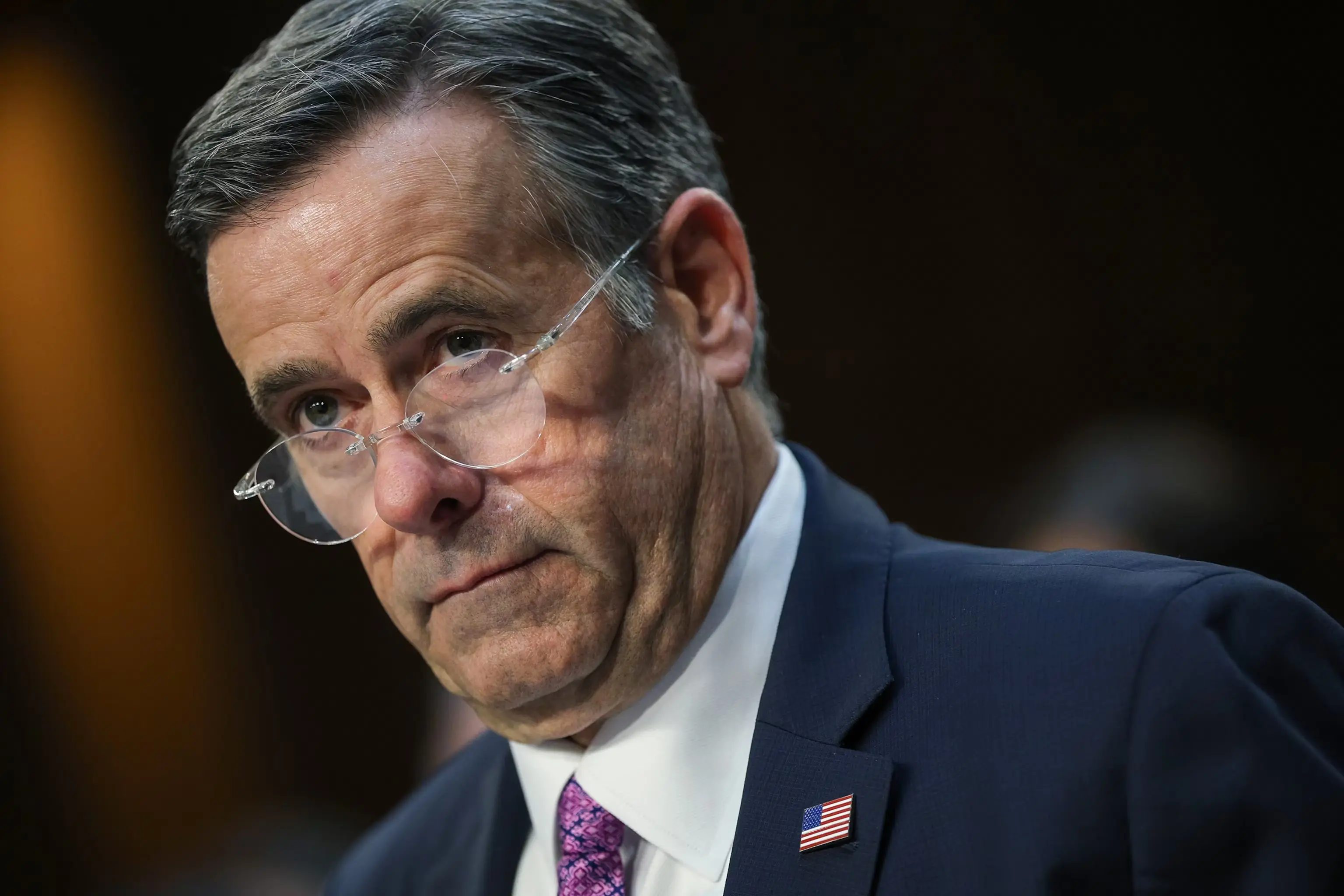
Foto credit: Shutterstock
CIA Director John Ratcliffe met Russian intelligence chiefs in Moscow this week with a dual message: do not test NATO's resolve, and negotiate an exit from Ukraine before Russia's position worsens further, the Wall Street Journal and the New York Times reported. The unannounced visit marked the first known trip to Russia by a sitting CIA director since November 2021.
The Kremlin confirmed Ratcliffe met senior intelligence officials but not President Vladimir Putin. Spokesperson Dmitri Peskov told reporters Putin was briefed on the talks afterward.
Ratcliffe delivered separate warnings to two Russian intelligence directors, according to the U.S. reports. The Wall Street Journal, citing officials briefed on the encounter, wrote that Ratcliffe told Sergei Naryshkin, head of Russia's foreign intelligence service SVR, that Moscow should not attempt to probe NATO's red lines through aggression against any alliance member.
The New York Times reported Ratcliffe pressed Alexander Bortnikov, director of the domestic intelligence service FSB, to seek a negotiated settlement in Ukraine. "Make a deal now before your situation deteriorates further," Ratcliffe told Bortnikov, according to the Times. The message included greetings to Putin, though no direct meeting took place.
Several NATO governments were notified in advance, a Baltic diplomat told Radio Free Europe/Radio Liberty. Ukraine was also informed and agreed to suspend attacks in the Moscow region and along Ratcliffe's travel route during the visit, the same source added.
The timing follows twelve months after Putin met former U.S. President Donald Trump at a military base in Alaska, a meeting that drew scrutiny as Putin was then subject to an International Criminal Court warrant. That encounter marked Putin's return to international diplomacy after years of Western isolation following Russia's invasion of Ukraine.
U.S. intelligence agencies have revised their assessment of Russia's strategic posture, the Wall Street Journal reported. Analysts previously believed Putin would avoid direct confrontation with NATO while his military remained engaged in Ukraine. Washington now considers it possible Moscow could attempt a limited escalation elsewhere to pressure the alliance, officials told the Journal.
Possible scenarios include cyberattacks on Baltic state infrastructure, sabotage of energy or transport systems, or false-flag operations designed to obscure Russian involvement, analysts cited by the Journal noted. The goal would be to force NATO into choosing between military response and risking the credibility of its Article 5 mutual defense commitment, the same sources added.
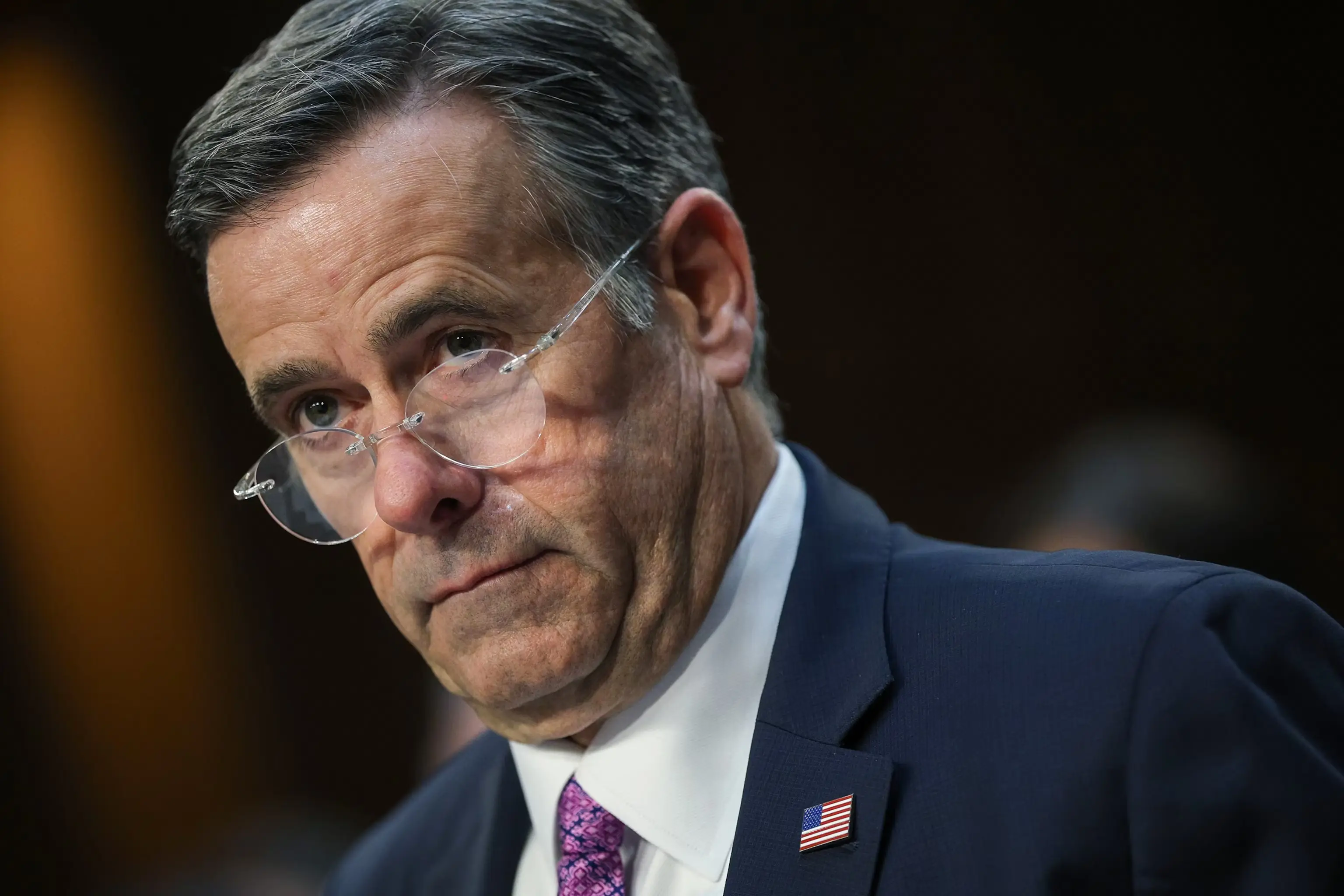
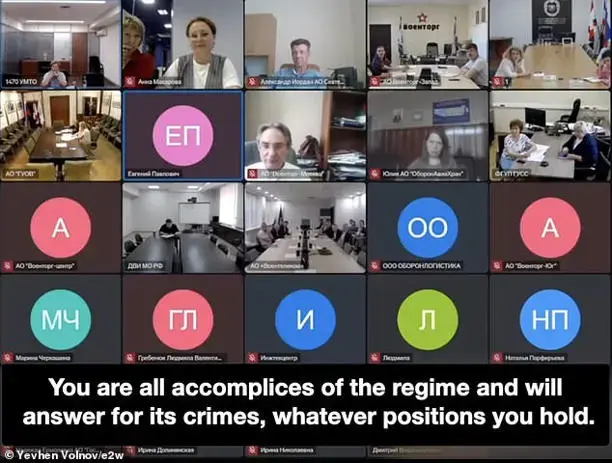
Russian forces have suffered high casualties and made only incremental territorial gains in Ukraine, Western intelligence assessments show. Ukrainian drone strikes on oil refineries, railways, and military facilities have increasingly brought the conflict into Russian territory. "The war, long distant from Russian daily life, is now being felt at home," the Times wrote.
Economic pressures have mounted as well. U.S. officials believe Russia is both militarily and economically weaker than the Kremlin admits publicly, forming the basis for Ratcliffe's appeal to Bortnikov. Delaying talks would only worsen Moscow's position on the battlefield and at the negotiating table, the CIA director warned, according to the Times.
The two-pronged message reflects the complexity of current U.S.-Russia relations. Washington is drawing clear red lines in defense of NATO while signaling willingness to support a diplomatic resolution to the Ukraine conflict, provided Moscow engages in serious negotiations.
The Kremlin's confirmation that Ratcliffe spoke with intelligence leaders, without meeting Putin directly, highlights both the sensitivity and the limits of current dialogue. This arrangement mirrors the November 2021 visit by then-CIA Director William Burns, who warned Moscow against invading Ukraine. Three months later, Russian forces crossed into Ukrainian territory.
Ratcliffe's warning to Naryshkin and his appeal to Bortnikov were delivered in person, the reports stated, though the Kremlin has not disclosed precise details. Naryshkin received the U.S. warning against testing NATO, while Bortnikov was urged to pursue a deal to end the Ukraine conflict. Both men are key figures in Russia's intelligence apparatus and close to Putin, though neither holds formal authority over military operations.
The dual nature of Ratcliffe's message reflects a broader U.S. strategy of deterrence coupled with diplomatic outreach. U.S. officials hope to prevent a widening of the conflict while encouraging Moscow to seek a resolution that would end the war on terms acceptable to both sides, the Journal reported.
The Kremlin's acknowledgment of the talks, coupled with its decision to keep Putin at arm's length, signals a cautious approach to direct engagement with the United States. For now, the outcome of Ratcliffe's mission remains uncertain.
The parallel reporting by the Wall Street Journal and the New York Times, each citing different sources and interpretations of Ratcliffe's mission, points to divisions within the U.S. administration over how best to manage relations with Russia. Both accounts agree the mission was of exceptional importance and carried consequences for European security and NATO credibility.
The White House did not hold a background briefing for reporters. Both U.S. and Russian officials offered only limited public comment on the substance of the discussions. Peskov's confirmation that Putin was informed of Ratcliffe's messages is the last official word on the visit. No further details about the content or outcome of the talks have been released by either government.
Comentarii
Fii primul care comentează.