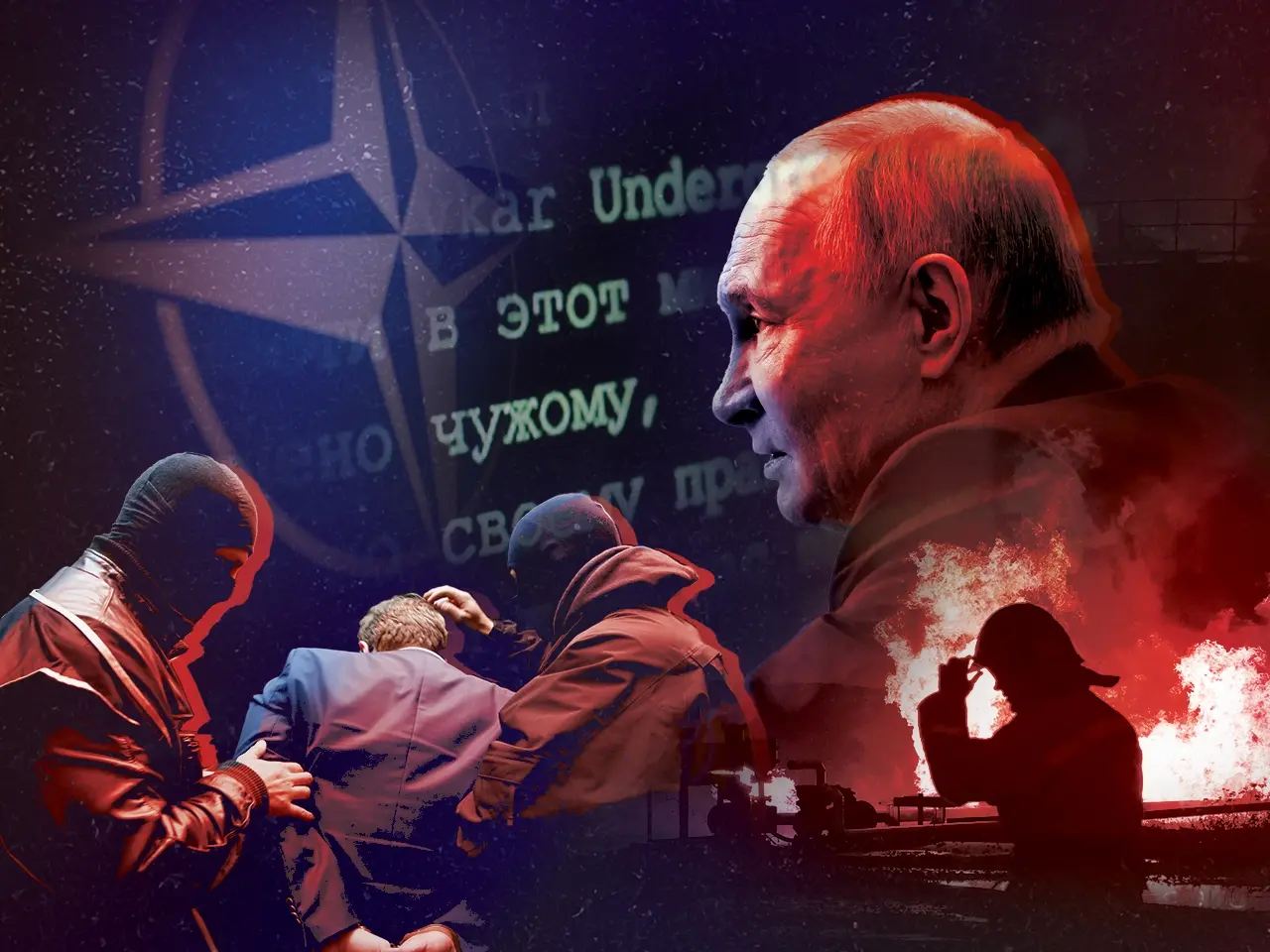
CIA chief travels to Moscow following US intelligence on Russian military preparations
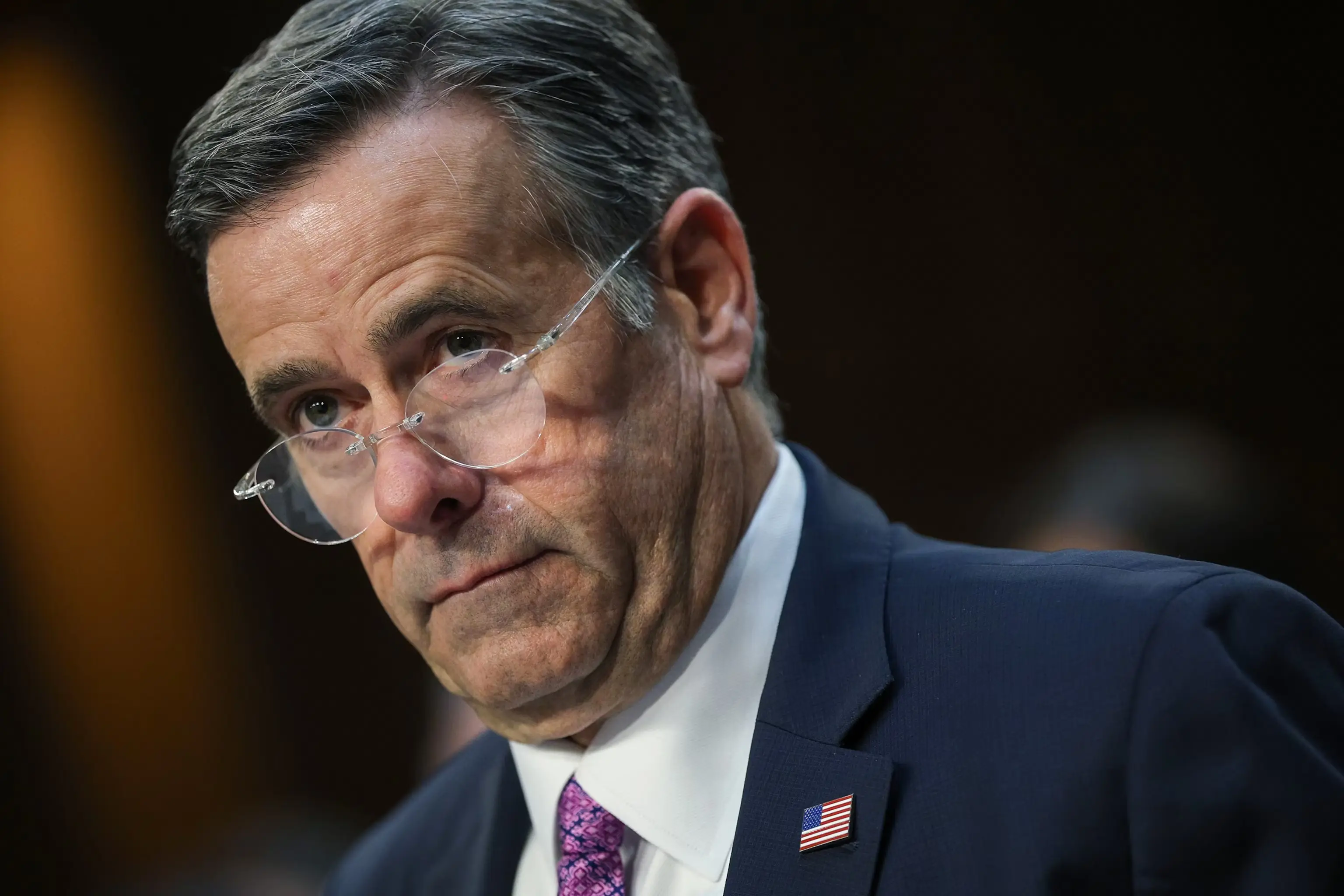
CIA Director John Ratcliffe visited Moscow following US intelligence reports suggesting Russia may be preparing for military mobilization linked to the Ukraine conflict. The trip, marked by the arrival of a US Air Force transport plane, raised speculation about high-level discussions. Kremlin officials confirmed the visit was related to intelligence contacts but gave few details.

Credit: Shutterstock
CIA Director John Ratcliffe traveled to Moscow after US intelligence agencies collected information indicating Russia was preparing for potential military mobilization related to the war in Ukraine, The Wall Street Journal reported. The visit became public when a US Air Force C-17A Globemaster III transport aircraft was spotted at a Moscow airport near a convoy belonging to the American diplomatic mission.
CBS News first reported the trip. The presence of the C-17A, a plane typically used for high-level government travel or sensitive cargo transport, fueled immediate speculation about the nature of the discussions.
Intelligence collected by US agencies suggests Moscow may be taking initial steps toward mobilization and considering ways to probe NATO's reaction, according to The Wall Street Journal. The situation presents a challenge for Washington and its European allies, who remain alert to any signs of a widening conflict.
Kremlin spokesperson Dmitri Peskov confirmed Ratcliffe had been in Russia, telling The Washington Post the visit was connected to bilateral relations between Moscow and Washington. Peskov said the discussions involved intelligence contacts between the two countries but declined to provide further details.
Analysts cited by The Wall Street Journal believe Ratcliffe may have met with Russian President Vladimir Putin to deliver a direct warning from Washington. The Kremlin has not confirmed whether such a meeting took place.
Subsequent reports indicated Washington had asked Kyiv to refrain from launching attacks on targets inside Russia for the duration of the American delegation's stay, according to The Wall Street Journal. The request suggests Washington sought to prevent any escalation that could complicate sensitive diplomatic contacts or provoke a Russian response.
The last visit by a CIA director to Moscow occurred in 2021, when William Burns, then head of the agency, met with Sergei Naryshkin and Nikolai Patrushev, key figures in Russia's intelligence and security apparatus. Burns also held a phone conversation with President Putin.
While the official theme of the 2021 visit was counter-terrorism cooperation, CNN later reported that President Joe Biden had dispatched Burns to warn the Kremlin about the Russian troop buildup near Ukraine's border. Russia launched its full-scale invasion of Ukraine less than four months after that visit.
The context of Ratcliffe's current trip is marked by growing anxiety among NATO's eastern members. In recent months, Poland, Lithuania, Latvia, and Estonia have intensified cooperation to protect critical infrastructure from possible Russian attacks. Allied intelligence agencies have repeatedly warned of the risk of "false flag" operations, which could be used to create instability or test NATO's response.
Last month, Lithuania deployed additional troops to reinforce special forces responsible for safeguarding strategic assets. These include a liquefied natural gas import terminal, a petroleum products terminal, a high-voltage power line connecting Lithuania to Poland, and the Kruonis pumped-storage hydroelectric power plant.
Leaders of NATO's eastern flank countries have issued public warnings about the increased risk of provocations on their territories, citing intelligence that Russia may be preparing such operations.
Ukrainian President Volodymyr Zelenskyy, speaking at a joint press conference with Estonian President Alar Karis in Kyiv, emphasized the expectation that NATO members would act collectively if Russia attacked a member state. "Estonia has more than 30 countries that should simultaneously defend any NATO allied state," Zelenskyy said.
When asked whether Ukraine would send troops to assist Estonia in the event of a Russian attack, Zelenskyy pointed out that Estonia, as a NATO member, falls under the alliance's collective defense obligations. He stressed that Ukraine, not being a NATO member, does not have the same responsibilities. The primary responsibility for defending the Baltic states rests with NATO, not with Ukraine, Zelenskyy added.
The visibility of the US military aircraft at a Moscow airport, combined with reports of a US intelligence delegation, highlights the seriousness of the discussions. The pattern recalls the 2021 visit by Burns, which was followed by Russia's invasion of Ukraine several months later.
US intelligence assessments, as reported by The Wall Street Journal, indicate Moscow may be preparing to test NATO's unity and resolve, raising the stakes for both sides. The focus on infrastructure protection, coupled with public warnings from regional leaders, reflects growing concern that Russia may seek to exploit vulnerabilities or provoke instability in the alliance's frontline states.
Russian spokesman Dmitry Peskov confirmed that Ratcliffe was in Russia and stated the visit related to intelligence contacts between the two countries. Neither the US nor Russian government has disclosed further details about the discussions or their outcomes.
Comentarii
Fii primul care comentează.
Ukraine's military intelligence confirms covert operations unit beyond borders

Cluj's ban on Russian symbols: the right call amid Olympic evasion
Ukrainian drone self-detonates in Constanța Port after losing control