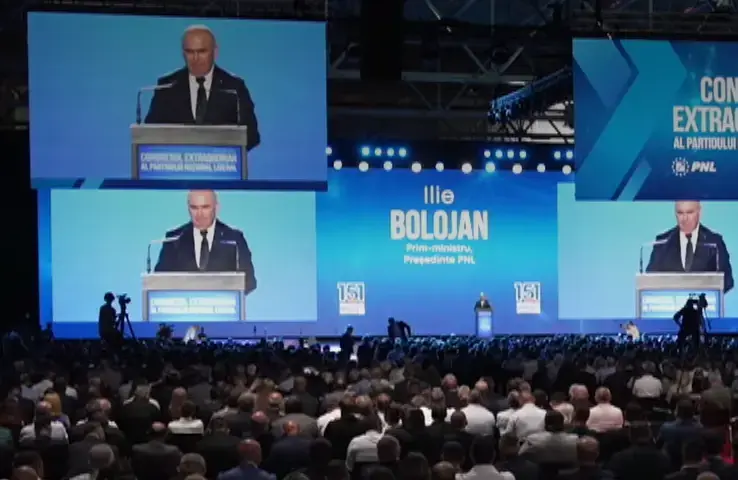
BNR holds rates at 6.50% as inflation hits 10.85%
The National Bank of Romania maintained its key interest rate at 6.50% as inflation surged to 10.85% in May, fueled by increased natural gas, fuel, and service costs. The Romanian economy contracted for a second consecutive quarter, with household consumption dropping and core inflation also rising. Retail sales declined, reflecting ongoing economic challenges.

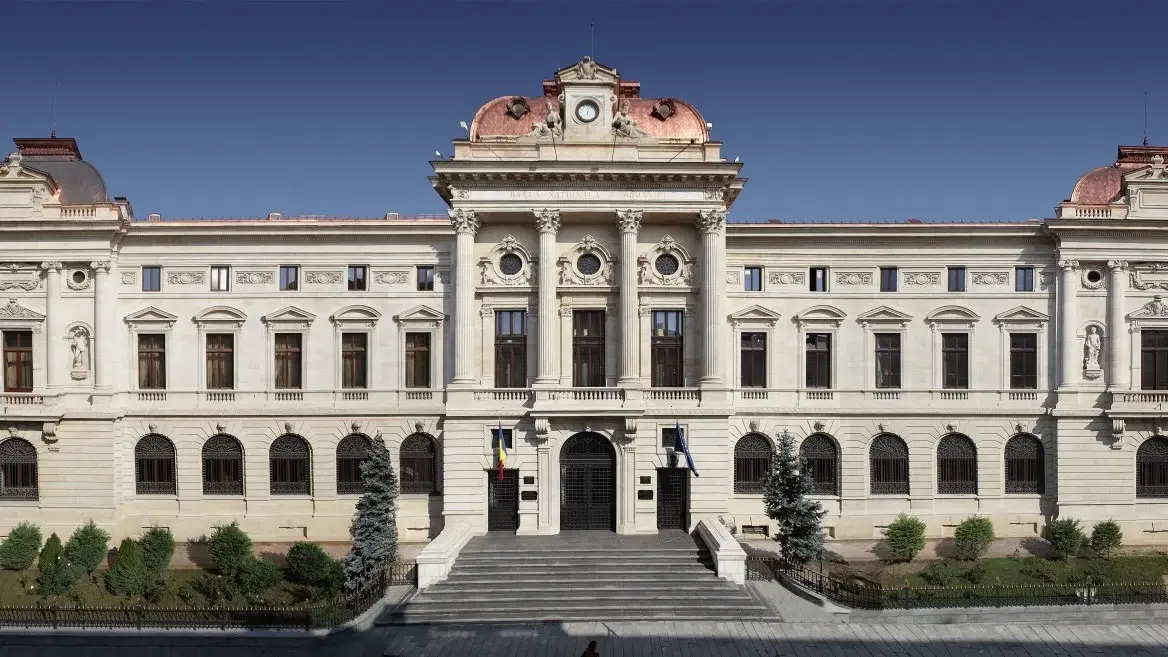
The National Bank of Romania kept its key interest rate at 6.50 percent on Wednesday, even as inflation accelerated to 10.85 percent in May from 9.87 percent in March, driven by higher natural gas, fuel, and administered service costs.
The decision to hold rates came as the Romanian economy contracted 1.2 percent year-on-year in the first quarter of 2026, following a 1.9 percent decline in the final quarter of 2025, according to central bank data released July 8. Household consumption dropped sharply, while gross fixed capital formation remained positive but slowed.
"Persistent increases in fuel and energy prices have put significant pressure on headline inflation," the BNR said in its statement. The Lombard credit facility rate stayed at 7.50 percent, the deposit facility rate at 5.50 percent. Minimum reserve requirements for leu and foreign currency liabilities were unchanged.
Core inflation, which excludes volatile food and energy prices, climbed to 8.5 percent in May from 8.2 percent in March, the central bank reported. Indirect fuel costs and exchange rate fluctuations contributed to the rise. The harmonized index of consumer prices, used for EU-wide comparisons, reached 9.7 percent in May, with the average annual harmonized rate at 9.4 percent.
Retail sales continued to decline in the second quarter, though at a slower pace than earlier in the year. Auto-moto sales growth picked up slightly in April, the BNR confirmed, but broader economic momentum remained elusive.
The labor market showed persistent strain. The workforce contracted in April, albeit at a slower rate than in previous months, according to central bank figures. The unemployment rate held at 6.4 percent in April and May, unchanged from the first quarter.
Nominal gross wage growth slowed further, extending a period of historically low increases. Short-term hiring intentions among employers continued to weaken, the BNR said, though companies reported a smaller labor force deficit than earlier in 2026.
Interbank money market rates remained nearly flat toward the end of the second quarter, reflecting limited liquidity pressures. Medium to long-term government bond yields have been adjusting downward, a process influenced by uncertainties stemming from the Middle East conflict and domestic political developments, the central bank noted.
The BNR projects inflation will moderate slightly in June, with a more pronounced decline expected in the third quarter. This forecast accounts for the scheduled end of energy price caps and the impact of budget consolidation measures that began in 2025 and continued into 2026.
"Balanced macroeconomic policies, structural reforms, and absorption of EU funds under the National Recovery and Resilience Plan are necessary for investment and sustained growth," the central bank said.
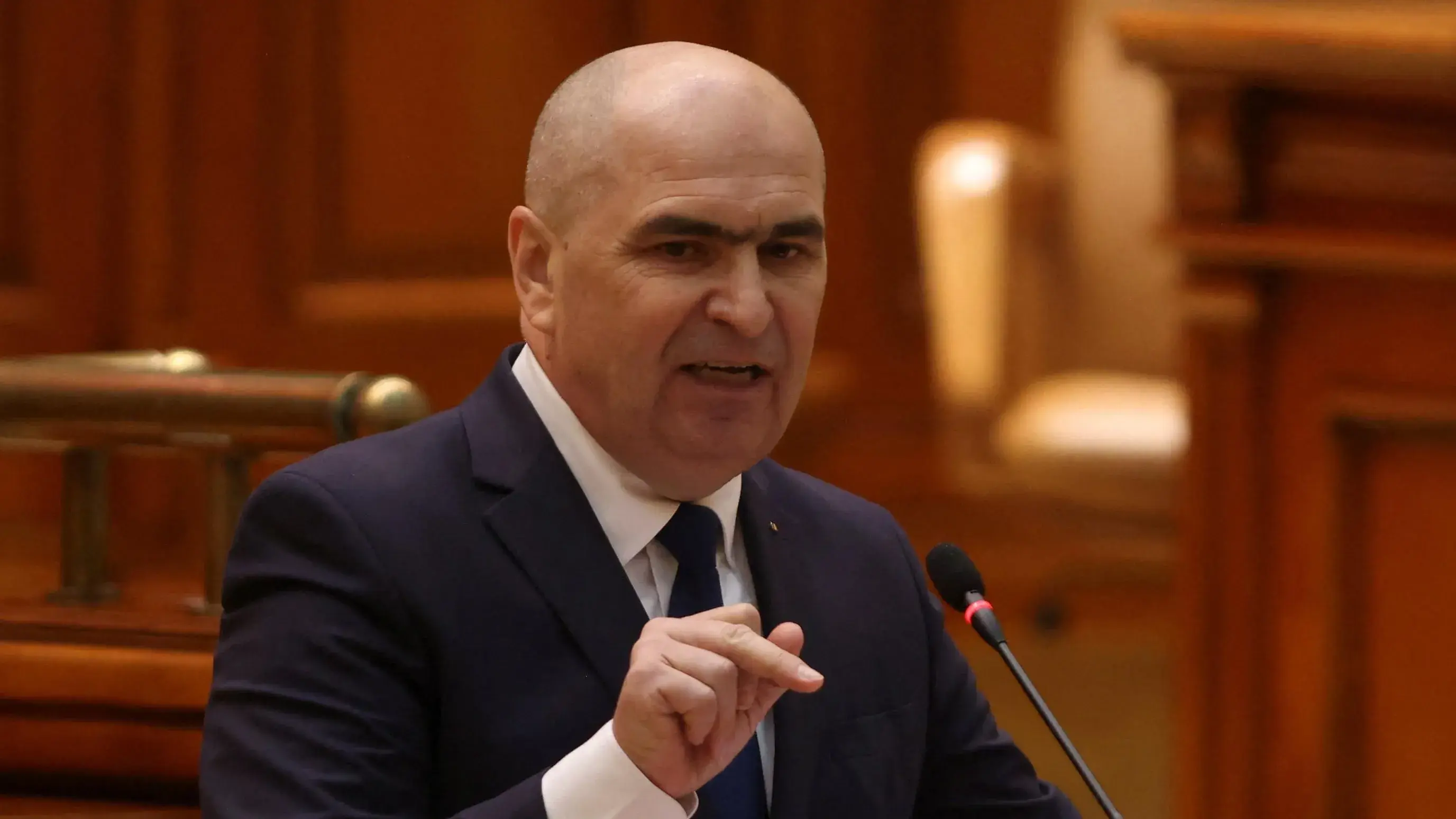

Romania's main policy rate now stands at its highest level since 2008. The Lombard facility, which provides overnight liquidity to commercial banks at a penalty rate of 7.50 percent, and the deposit facility, which remunerates excess reserves at 5.50 percent, serve as operational tools to manage short-term interest rates within the BNR's corridor.
Minimum reserve requirements for credit institutions, set at existing levels for both leu and foreign currency liabilities, act as a buffer against external shocks and help maintain financial system stability, particularly as Romania navigates volatile regional and global conditions.
The inflationary surge in the second quarter stemmed from a combination of domestic and external factors. Rising natural gas prices fed directly into household energy bills. Higher fuel costs, amplified by exchange rate movements, pushed up transportation and production expenses across the economy. Administered prices, which include tariffs for utilities and other regulated services, saw upward adjustments, further fueling consumer price growth.
Economic activity struggled to regain momentum following last year's contraction. After stagnating in the first three months of 2026, the economy recorded a 1.2 percent year-on-year decline in the first quarter. Household consumption, traditionally a key engine of growth, fell sharply, reflecting weaker purchasing power amid persistent inflation.
Gross fixed capital formation showed solid growth, though the pace moderated compared to previous quarters, suggesting that while some investment projects continued, overall business confidence remained cautious.
Signs of recovery in the second quarter were tentative. Retail sales contracted, but the rate of decline slowed. Sales of automobiles and motorcycles registered a slight uptick in April, indicating some resilience in consumer demand for durable goods.
Financial market conditions remained relatively stable. Interbank money market rates were nearly flat at the end of the second quarter, suggesting little change in short-term funding costs for banks. Medium to long-term government bond yields edged lower, shaped by geopolitical developments in the Middle East and domestic politics.
The central bank has repeatedly called for a coordinated policy response to support investment and growth, arguing that balanced macroeconomic policies, structural reforms, and effective use of EU funds are necessary for Romania's long-term prospects.
The next meeting of the BNR's board to discuss monetary policy is scheduled for August 10, 2026. The minutes from the July 8 meeting will be published on July 20, 2026.
The 6.50 percent policy rate, unchanged since the last adjustment, will continue to shape credit conditions for households and businesses in the weeks ahead.
Comentarii
Fii primul care comentează.
How market forces, not policy, are eroding Europe's cash infrastructure

Romania – The Garden of the Mother of God and the Mystery of Places of Great Energy

Who holds power in Romania? Tismăneanu's challenge to democratic oversight