PSD's hidden hand: How the real loser avoids accountability in the Vestea affair
This article argues that PSD is the real architect behind the Vestea affair, orchestrating events from behind the scenes while evading public scrutiny. By providing political cover and then retreating from responsibility, PSD ensures others bear the blame for unpopular decisions, maintaining its influence without facing consequences.

The most striking aspect of the Adrian Vestea controversy is not the names on the front pages, but the one that disappears from the headlines altogether. PSD, under Sorin Grindeanu's leadership, has managed to avoid public scrutiny, even as its fingerprints are all over the current government crisis. The main loser in this episode is PSD itself, but the party has perfected the art of vanishing when the bill comes due.
My argument is simple: PSD is not a passive bystander in the Vestea affair but the principal architect behind the scenes, and its strategy of shadow governance is both deliberate and damaging.
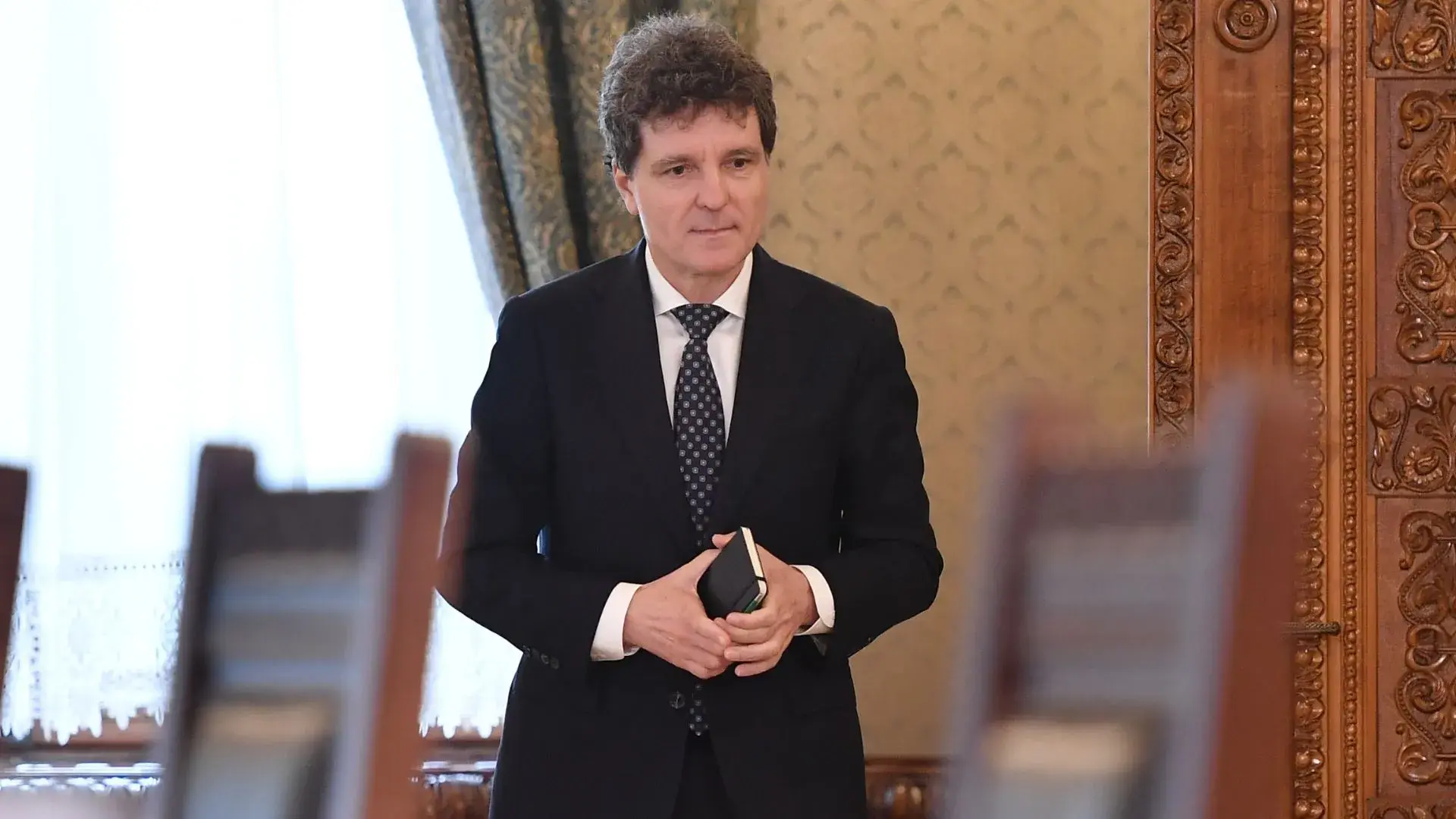
Let's start with the facts no one disputes. Nicușor Dan did not appoint Adrian Vestea on his own initiative. The selection came at the urging of PSD figures, who remain closely allied with the current PNL faction trying to consolidate power. These are the same groups that, not so long ago, cooperated smoothly to allocate national funds and divide political spoils. Yet when the controversy broke, Grindeanu's PSD retreated from the foreground, as if the entire process belonged to someone else.
The pattern is familiar. PSD provides the votes and the political cover for measures that benefit its network, then slips into the shadows, refusing to take official responsibility for the government's direction. The logic is as transparent as it is cynical: let others own the unpopular decisions, especially as the deficit balloons and painful choices become unavoidable.
In effect, PSD is governing from the comfort of opposition, holding the levers of power without the burden of public accountability.
There is a temptation to see this as mere tactical maneuvering. After all, every party seeks to maximize its advantage. Yet the scale and consistency of PSD's approach set it apart. The party's refusal to clarify its role, exemplified by Grindeanu's silence on his own presence aboard Nordis flights, signals not just caution but a strategy of evasion. The public, meanwhile, is left with the impression that PSD is somehow above the fray, neither responsible for the fiscal mess nor liable for the fallout.
PSD's public rhetoric only deepens the deception. The party insists on "no austerity, only pension and salary increases," a refrain designed to appeal to voters' anxieties in a year of economic strain. As a pensioner, who wouldn't want higher payments and protection from cuts?
The problem is that Romania's fiscal reality is rapidly closing in. The deficit sits at unsustainable levels, and the risk of being downgraded to "junk" status by international agencies is no longer theoretical. Should that happen, borrowing would grind to a halt, and the Greek scenario, a country unable to pay public wages or pensions, would become more than a cautionary tale. Still, PSD offers comforting slogans instead of hard choices.
It is not just pensions and salaries at stake. The party's insistence on "protecting jobs" hides a more parochial agenda: the defense of its own patronage network. In the language of negotiation, this means shielding party loyalists embedded in loss-making state enterprises. These companies, kept afloat by public money, serve as a reservoir of sinecures for the party faithful.
PSD's real priority is to ensure that no reform threatens this apparatus. The cost falls, predictably, on the general public, who foot the bill for inefficiency and waste.
The party's aversion to reform extends to its veto on "incompetence" in government. In practice, this is shorthand for excluding reformist rivals, especially from USR, who have made transparency and digitalization their cause. PSD's leadership sees these efforts not as modernization but as an existential threat to long-standing arrangements. The party's hostility is not merely ideological but practical: transparency would expose the networks of influence that sustain its power.
I acknowledge the strongest counterargument: that PSD, by staying out of formal government, allows for stability in a fractured political field. Some might argue that their votes provide a necessary anchor, keeping the executive afloat in a period of uncertainty.
There is a case here, at least superficially. Yet stability purchased at the cost of responsibility is a fragile bargain. When the reckoning comes, as it must, given fiscal pressures, the public will find the architects of policy have already left the scene.
The consequences of PSD's tactics extend beyond fiscal policy. The party's discourse, with its populist flourishes, feeds the rise of extremist parties. Both groups, in turn, sell the fantasy that public money is infinite and that hard choices can be deferred indefinitely. This political theater not only distorts debate but undermines Romania's standing in the European Union.
The more the mainstream indulges in magical thinking, the easier it becomes for the fringes to claim legitimacy.
The ultimate objective, as seen in the party's maneuvering around the justice system, is even more troubling. PSD's long-term ambition appears to be the immobilization of reforms demanded by Brussels, the isolation of Romania from external oversight, and the subordination of the judiciary to political control. The echo of Dan Voiculescu's notorious maxim, "We do not have all the power until we control justice", is impossible to ignore.
With Brussels kept at bay and domestic checks weakened, the temptation to govern as a closed oligarchy becomes overwhelming. In such an environment, the public pays the price for elite impunity and economic decay.
Some will argue that these concerns are exaggerated, that PSD's influence is constrained by coalition politics and the vigilance of civil society. There is some truth to this: Romania's democratic institutions, while battered, retain a measure of resilience. Yet the evidence of the past decade suggests that, when push comes to shove, the party's capacity to adapt and survive outpaces its willingness to reform.
The same €2.3 billion deficit gap mentioned in government reports (though the finance ministry has not confirmed the figure) is proof of the cumulative effect of such avoidance.
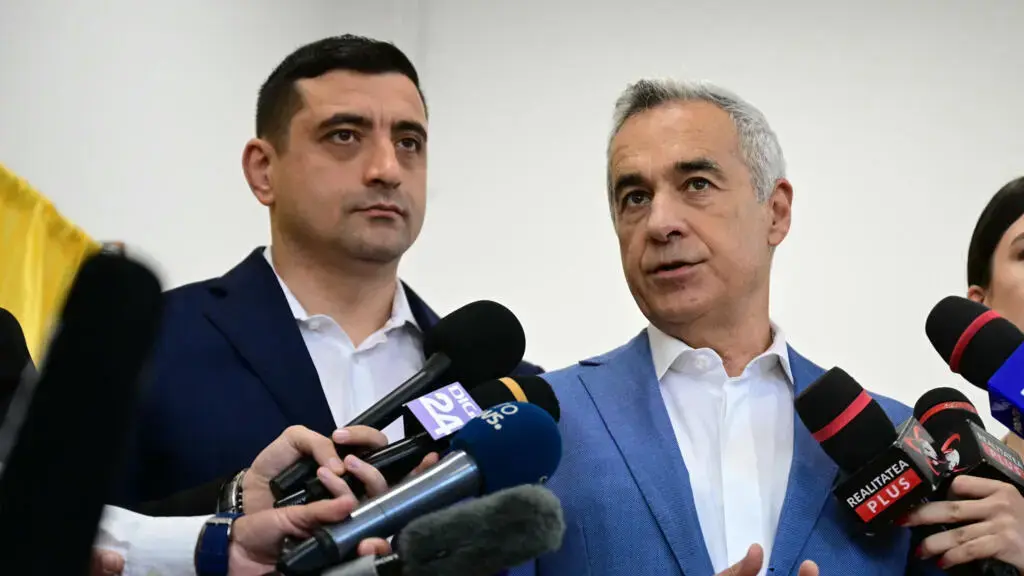
The silence of PSD's leadership is perhaps the most telling detail. Grindeanu has yet to answer questions about his involvement in the Nordis flights or to clarify his party's real intentions. The refusal to engage in public debate is not accidental. It is a calculated move to keep voters distracted by secondary conflicts while the machinery of influence continues to operate unseen.
If there is a lesson in the Vestea affair, it is that the absence of responsibility is itself a form of power. PSD's ability to shape outcomes while disclaiming ownership is not a bug, but the central feature of its political model. The bill for this populism, economic, institutional, and social, will be paid by everyone else. And the resources to cover it have already run out.
Comentarii
Fii primul care comentează.