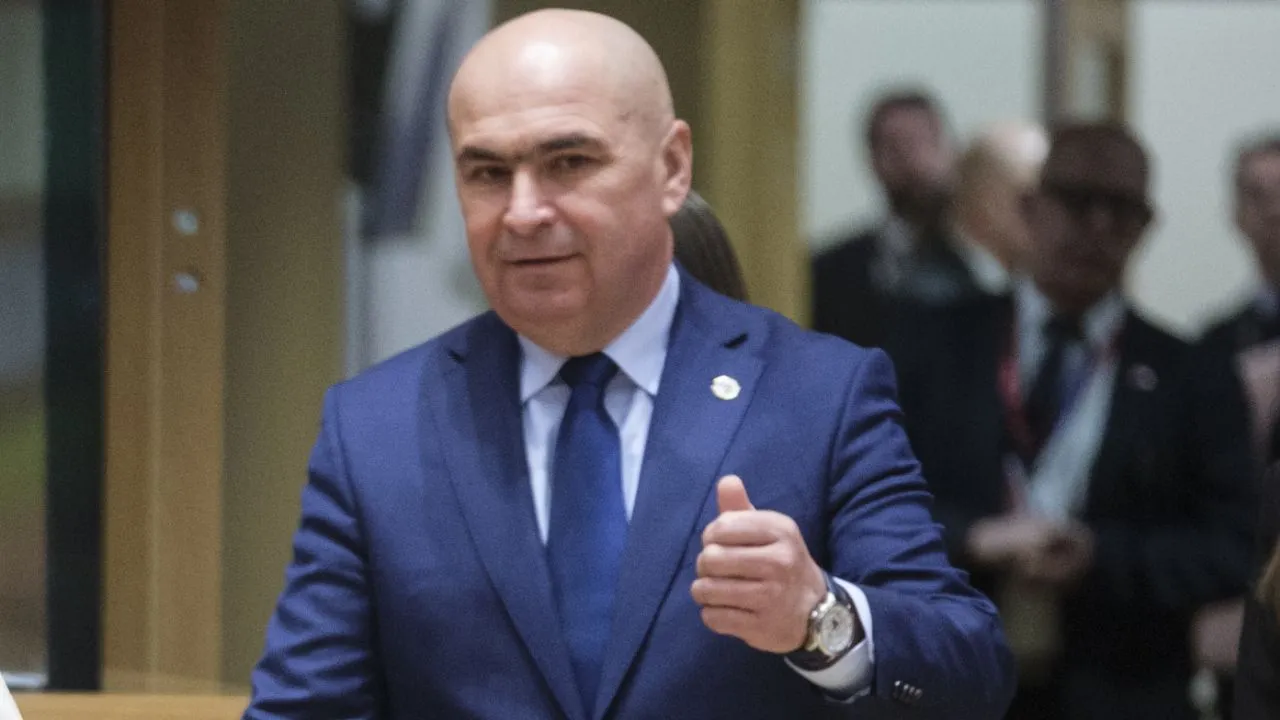
Georgescu calls on parliament to reject Veștea cabinet
Călin Georgescu urged parliament to vote against the Veștea Government, claiming support would betray Romania's interests. The Social Democratic Party plans to back the cabinet, but additional votes from the Alliance for the Union of Romanians are needed. Divisions within AUR complicate the confirmation process ahead of the scheduled vote.

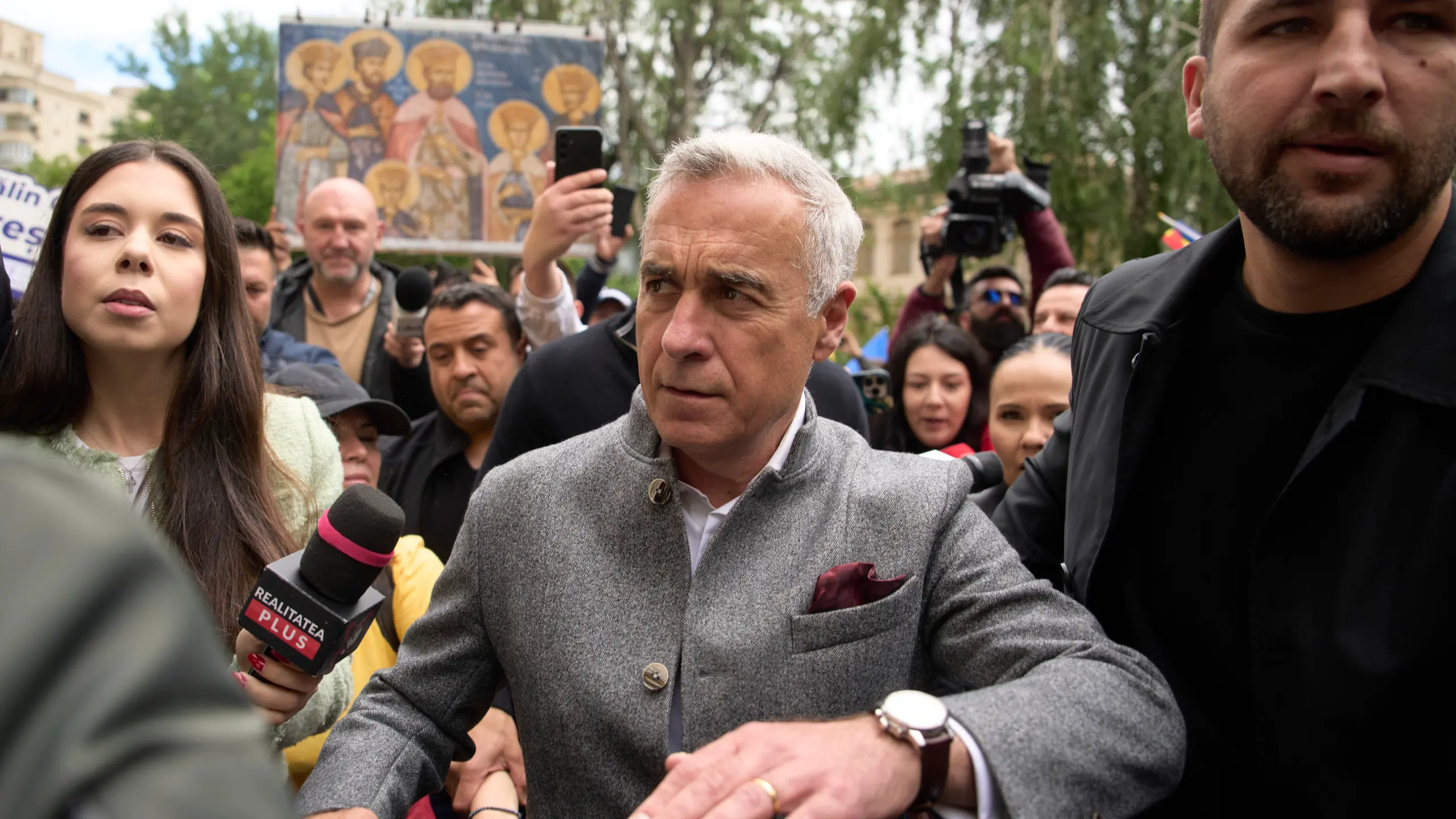
Călin Georgescu urged Romanian lawmakers Sunday to vote against the Veștea Government, warning that support for the cabinet would constitute betrayal of national interests one day before the scheduled investiture vote.
The former presidential candidate posted the appeal on Facebook late Sunday, hours after Adrian Veștea submitted the government program and ministerial list to parliament. Parliamentary leadership set ministerial hearings for noon Monday, with the plenary vote to begin at 21:30.
"Every vote given to the Government of an illegitimate president is an act of betrayal of Romania's interests," Georgescu wrote. He described the proposed cabinet as a "treacherous capitulation," though he did not specify which policies he opposed.
The Social Democratic Party announced support for the Veștea Government during its National Political Council meeting Sunday. PSD sources told reporters the coalition requires an additional forty votes from the Alliance for the Union of Romanians to secure confirmation, reflecting the fragmented arithmetic of the current chamber.
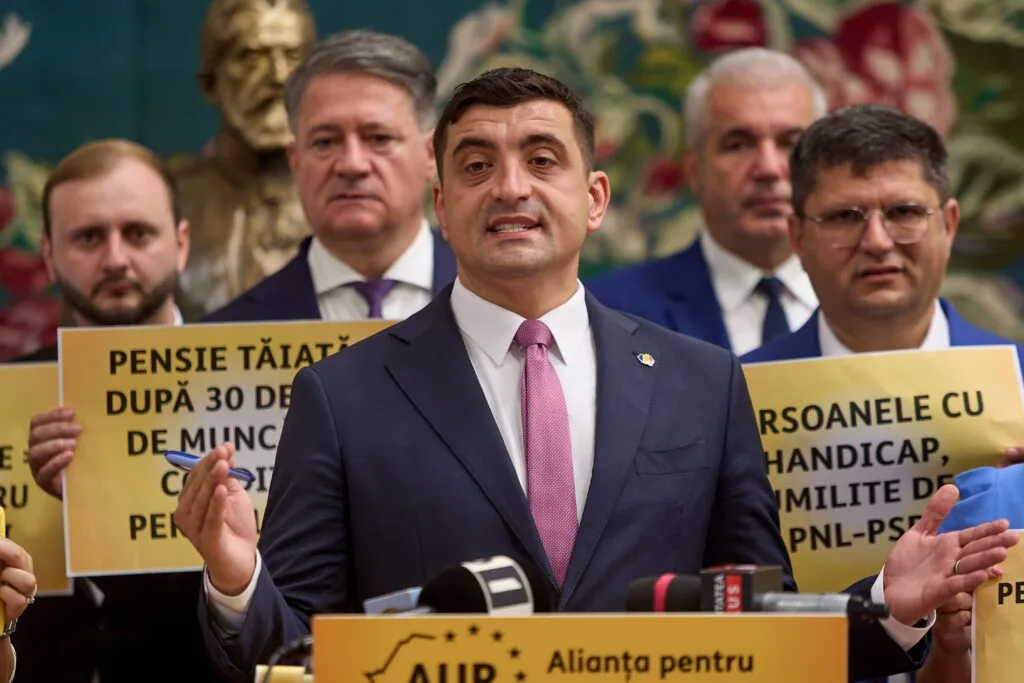
Divisions have emerged within AUR over whether to back the cabinet. George Simion, the party's leader, favors supporting the government, according to Social Democratic sources. Petrișor Peiu, a prominent AUR deputy, announced on Digi24 that his party's lawmakers would not attend the vote.
"We do not vote for the Government," Peiu posted on Facebook. He dismissed reports of AUR support as "rumors thrown into the market to maintain the atmosphere," adding that backing the cabinet "would mean the collapse of the AUR party."
Peiu argued that Nicușor Dan and PSD had proposed a government unable to pass the parliamentary vote. "The only way out they have found is to pressure AUR to vote for the investiture," he wrote. "But that would mean the collapse of the AUR party. The logical question is: why would AUR self-destruct to save PSD?"
The proposed cabinet allocates twelve of seventeen ministerial posts to PSD, making the Social Democrats the dominant force in the executive. Adrian Veștea, the prime minister-designate, faces expulsion from the National Liberal Party in the coming days for forming a government with PSD, according to party officials.
Georgescu's statement referenced what he called "the Bolojan 3 Government," though Ilie Bolojan has not been designated prime minister. The characterization omits the current realignment, in which PSD holds the majority of cabinet positions.
Political Georgescu's repeated attacks on the governing coalition have consistently favored PSD positions. Observers describe the messaging as an attempt to reconcile with the party that has long held influence over Romania's judicial mechanisms. Georgescu faces ongoing legal scrutiny, including accusations related to an attempted coup, according to judicial sources.
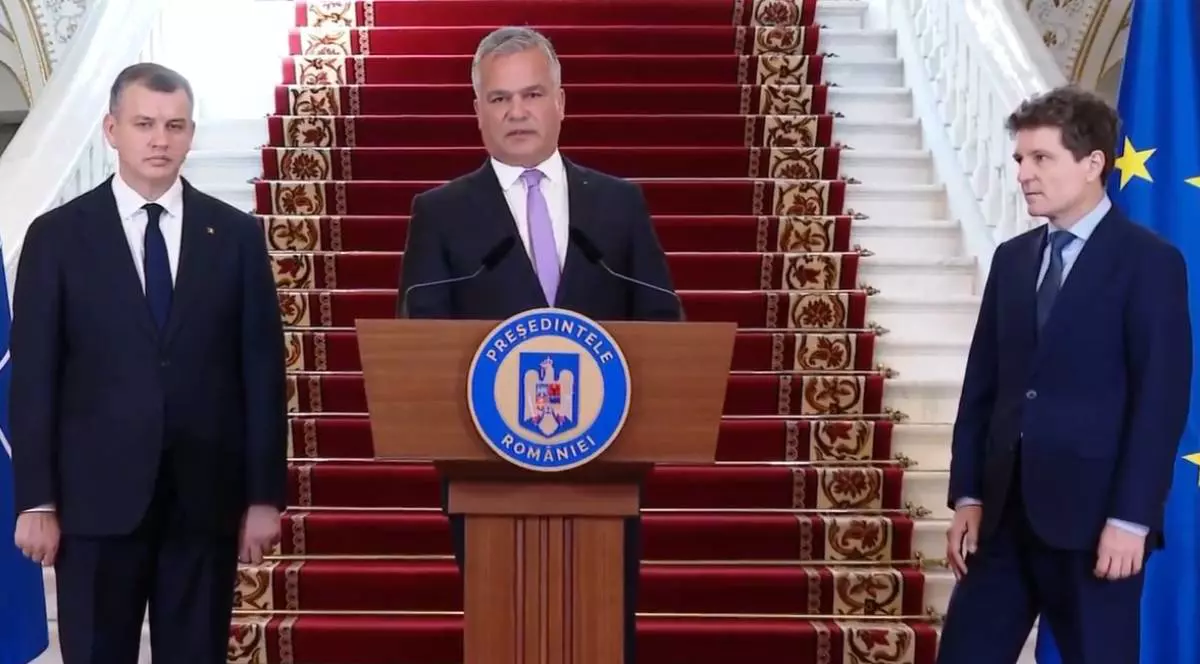
PSD stipulated that several measures must be included in the governing program as a condition for support. Party leaders confirmed the conditions during Sunday's National Political Council meeting, though they did not disclose the specific policy demands.
Parliamentary procedure allocates ninety minutes for each ministerial hearing. The schedule leaves little room for last-minute changes in party positions, with the plenary vote set for late evening.
The need for forty AUR votes, as cited by PSD strategists, highlights the fragility of the coalition's majority. No single party controls the chamber, and the outcome depends on the willingness of smaller factions to provide support.
Within PNL, internal dissent has emerged over the decision to partner with PSD. Some members oppose the coalition, viewing it as a departure from the party's stated principles. Veștea's impending expulsion reflects the depth of the divide.
Georgescu's appeal to parliamentarians, while forceful in tone, has limited practical effect on the parliamentary arithmetic. His call for deputies to reject the government is addressed to a body already divided by party loyalty and strategic calculation.
The investiture vote will test the cohesion of both the coalition and the opposition. Should the Veștea Government fail to secure confirmation, further negotiations and potential realignments are likely.
The allocation of ministerial posts, the distribution of power between PSD and PNL, and the willingness of smaller parties to provide support will shape the next phase of Romanian politics. The parliamentary hearings offer an opportunity for scrutiny, with each minister facing ninety minutes of questions.
The late-night plenary vote is expected to draw national attention. The stakes extend beyond the fate of the Veștea Government, touching on questions of party identity, coalition discipline, and the future direction of executive authority.
PSD holds the majority of cabinet positions but lacks a clear majority in the chamber. AUR remains divided on whether to participate. The result hinges on decisions made in the hours leading up to the plenary session.
The government program and ministerial list, submitted by Veștea on Sunday, will be debated during Monday's hearings and plenary vote, with the investiture decision expected by late evening.
Comentarii
Fii primul care comentează.
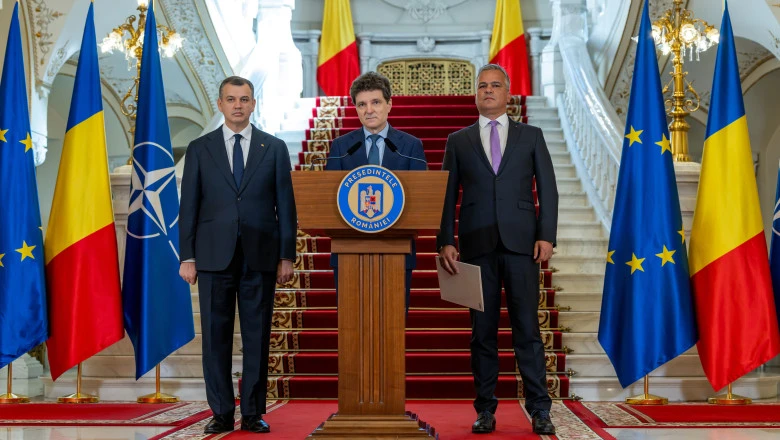
Romania's cabinet negotiations descend into bazaar-style bargaining and bribery

PSD's hidden hand: How the real loser avoids accountability in the Vestea affair
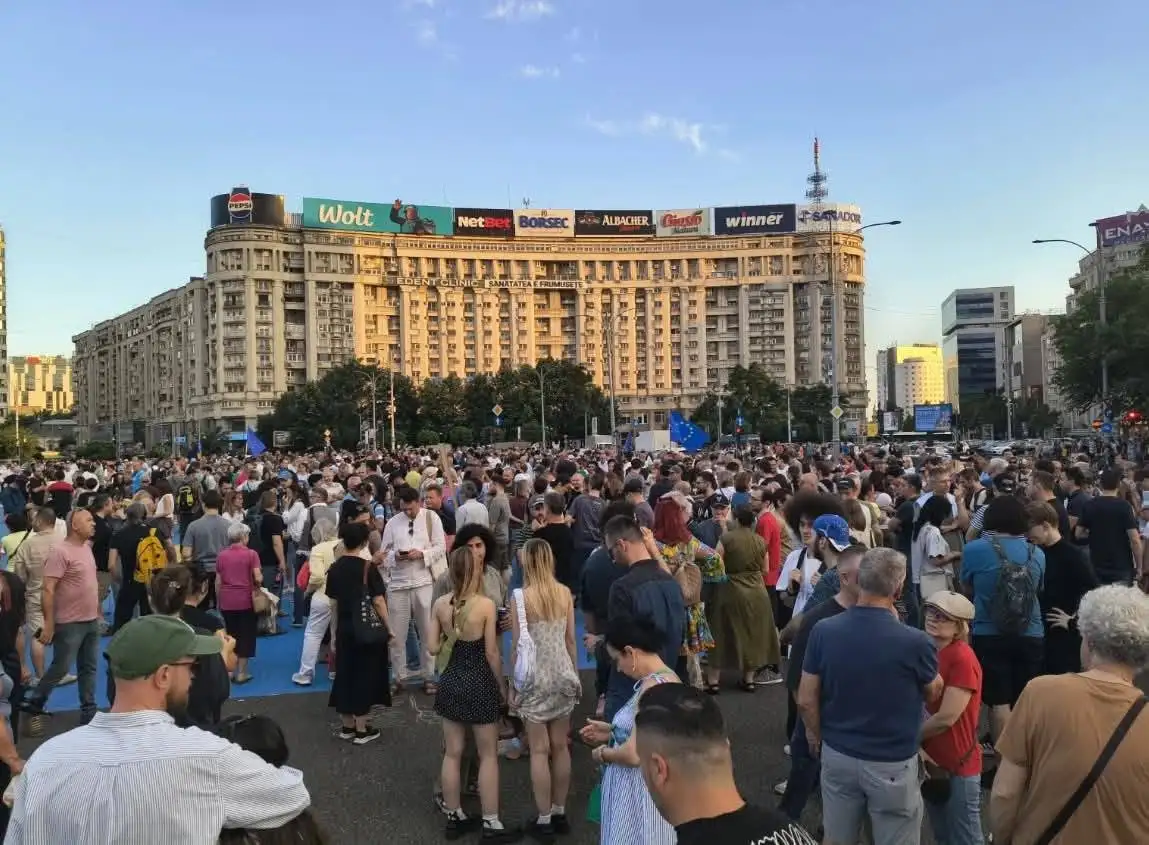
Nicușor Dan's gamble: reform, betrayal, and the battle for Romania's future