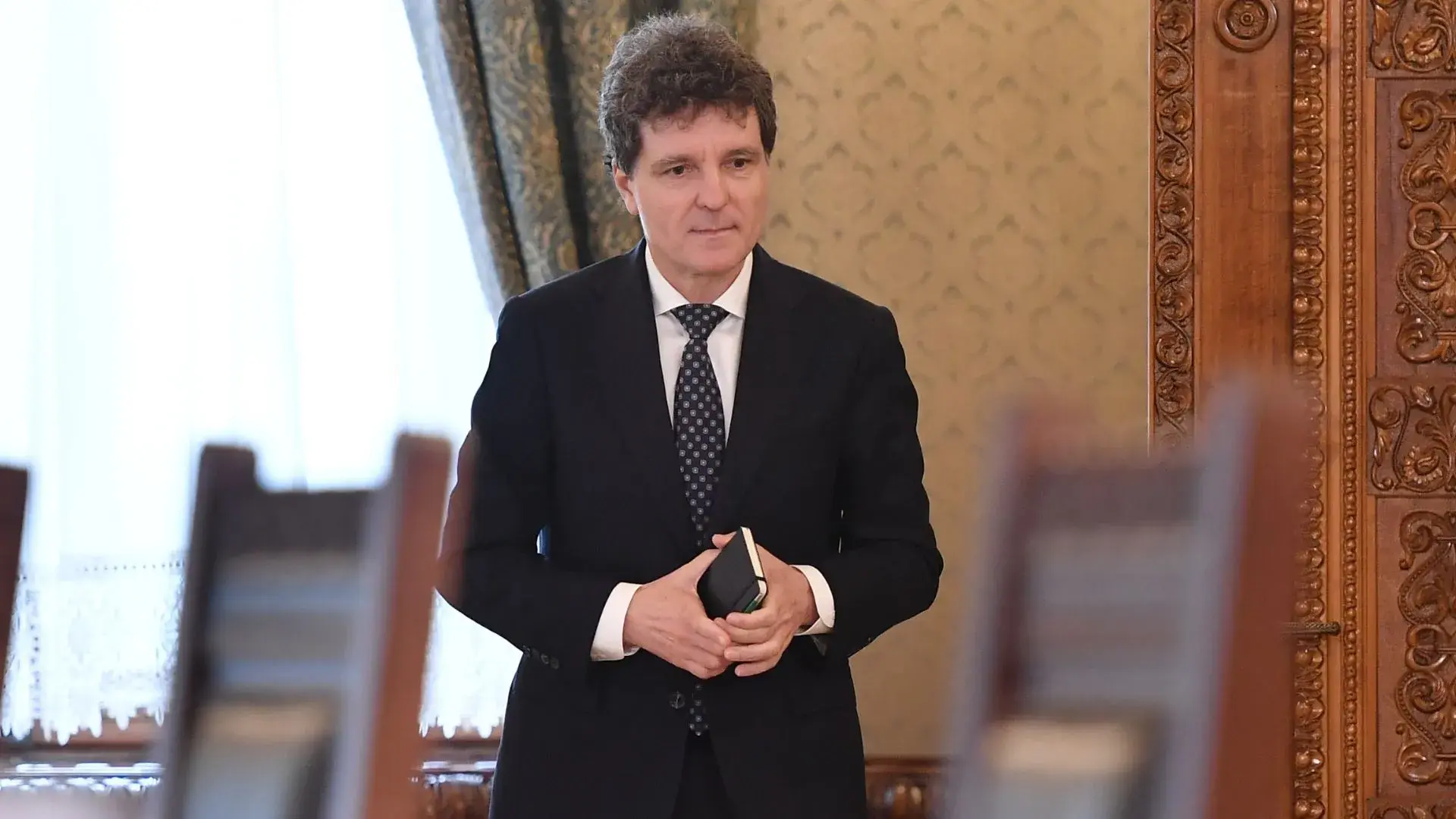
Nicușor Dan's gamble: reform, betrayal, and the battle for Romania's future
Nicușor Dan, once hailed as a reformist, now confronts public outrage after nominating Adrian Veștea and aligning with PSD and the USL wing of PNL. Protesters, organized by civil society, accuse him of abandoning his anti-corruption and justice reform pledges, fearing a return to entrenched political practices. The movement signals a critical moment for Romania's democratic future.

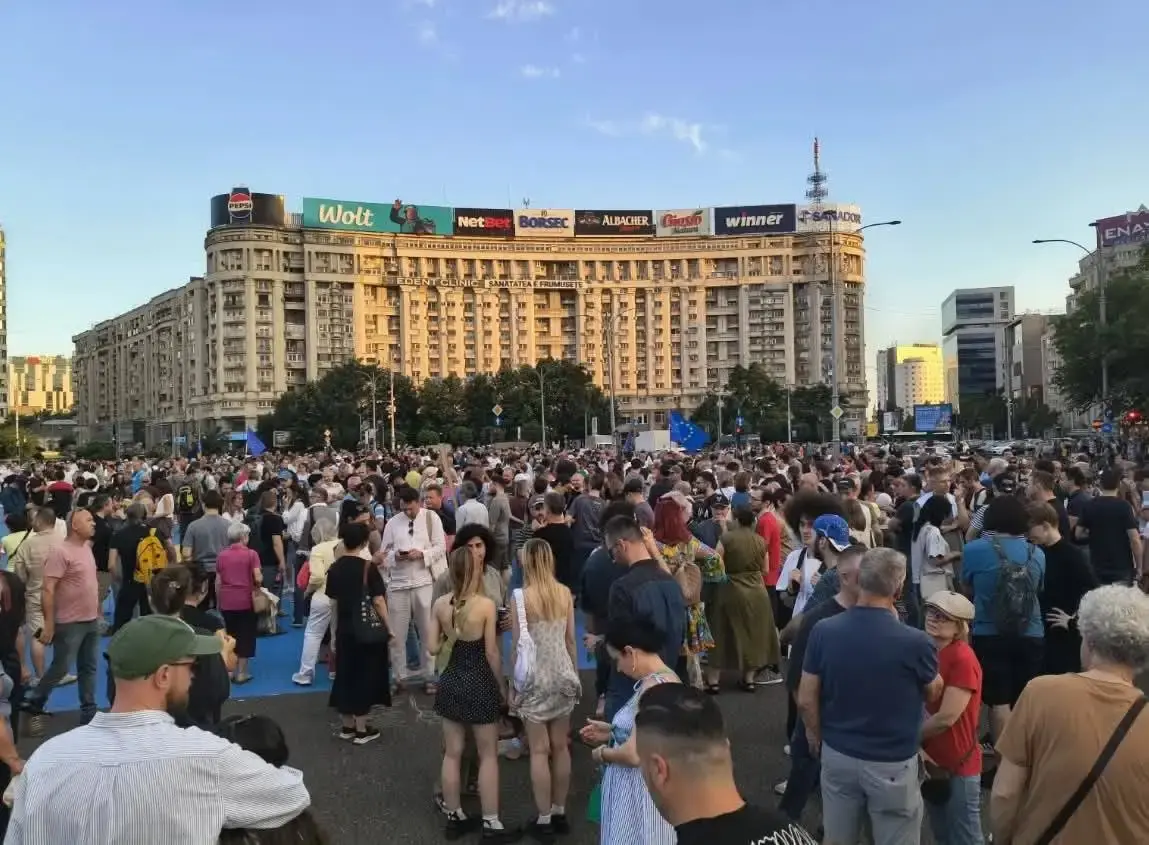
Sursa foto: Facebook Ondine Ghergut
Nicușor Dan has managed something no Romanian president has attempted in the past 36 years: in less than twelve months, he has turned a wave of popular support into a street-level backlash. The chants echoing through Piața Victoriei on Friday, "Nicușor, traitor", were not the spontaneous anger of a fringe, but the coordinated response of hundreds, organized by civil society and united by a sense that the president's promises have been abandoned. For any leader, especially one who campaigned as the champion of reform, this is a warning with few precedents.
The immediate spark was Dan's decision to nominate Adrian Veștea to form a new government in alliance with PSD and the so-called "USL wing" of PNL. The manner of this nomination, described by organizers and protestors as undemocratic and contrary to the Romanian Constitution, has become the symbol of a wider grievance. The president's campaign had pledged sweeping justice and territorial reforms, a relentless fight against corruption, and an end to public funds leaking into the pockets of entrenched interests. By Friday, the narrative on the streets was reversal: Dan now stands accused of sacrificing the PNL's reformist wing in favor of the same barons and power-brokers he once targeted.
Hundreds gathered in the square. Their slogans and banners directed not only at Dan but at a political system they see as reverting to old patterns. The protest, titled "We Need to Defend Democracy," was organized by several NGOs, whose statements framed the event as a last line of defense. "We have been hundreds of thousands in the streets for justice, not for corruption," the organizers declared, recalling the mass mobilizations of recent years. Their call to action was blunt: when the system resists change at all costs, citizens must respond, even if, especially if, it means confronting the state itself.
The symbolism was deliberate. The protest took place 36 years after the June 1990 Mineriad, when miners crushed pro-democracy demonstrations in University Square. Organizers called it "shameful" that, after so many years and so many promises, Romanians must again take to the streets to defend basic democratic norms. The allusion is not subtle. The fear is of a return to a captured state, with institutions acting by political order rather than by law.
Jandarmeria urged participants to follow the law, distance themselves from any provocateurs, and report those who would incite violence. The organizers themselves emphasized peaceful protest, but their rhetoric was sharp. "When justice protects some and punishes others, when institutions act as if on command, it is our patriotic duty to protest against a captured state," their statement read. The phrase "Romania is under siege" recurred, both as a chant and as a motif in speeches.
The context is not limited to the political maneuvers of the presidency. Thursday saw a flurry of legal and political shocks. The Ilfov Tribunal, in an unusually rapid decision, suspended the PNL's statutory sanctions against liberals supporting Veștea's government. The same day, the National Anticorruption Directorate announced a corruption case involving Ciprian Ciucu, a key supporter of Ilie Bolojan. Meanwhile, the High Court declared Dominic Fritz ineligible for public office until 2030, citing incompatibility. A cascade of rulings and investigations, all at the upper echelons of power, have left even insiders uncertain about who holds real authority.
Dan's that these moves are not isolated. The nomination of Veștea, they say, is the culmination of months of backroom deals and broken promises. The president's willingness to align with the old guard of PSD and the most retrograde factions of PNL is seen as a betrayal of his own reformist electorate. For those who once believed in Dan's platform, the pivot is abrupt. The very groups that propelled him to victory, the anti-corruption activists, the urban middle class, the technocrats, now find themselves locked out of decision-making.
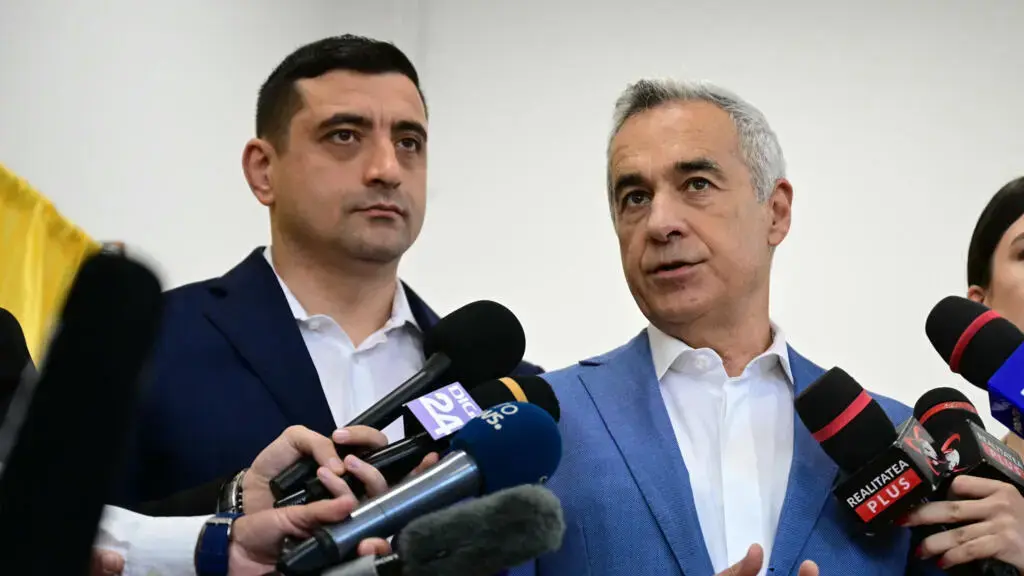
Yet it would be a mistake to ignore the counterargument. Dan's defenders point out that the Romanian political system is built for gridlock, not for radical overhaul. Any president, faced with the reality of parliamentary numbers and the inertia of entrenched interests, must negotiate. Some argue that compromise with PSD and the USL wing of PNL is the only path to stable government, and that the alternative is chaos or even snap elections. They warn that reform is only possible from within, and that purity in opposition achieves little.
Still, the numbers in Piața Victoriei suggest that this rationale is not persuading Dan's former supporters. The sense of urgency is not only about one nomination, but about the possibility that a fragile opening for reform is closing. The legal cases, against Ciucu, against Fritz, are seen by some protestors as part of a pattern, a system that punishes dissenters and rewards loyalty to the status quo. The speed with which the Ilfov Tribunal acted on Thursday, hours rather than days, was noted by several NGO leaders as evidence of selective justice.
PSD and the conservative wing of PNL, for their part, have remained largely silent in public. Their calculation appears to be simple: as long as Dan absorbs the blame, they can consolidate power behind the scenes. The reformist PNL faction, weakened by legal troubles and internal sanctions, now faces a stark choice. Either accept marginalization or risk open break with the new governing coalition. The stakes are institutional as well as personal. The balance of power in parliament, the fate of anti-corruption reforms, even the rules for future elections, all hang in the balance.
The protestors in Piața Victoriei are not, in themselves, a movement capable of toppling a government. But their presence is a barometer. When the same slogans that once propelled a candidate to victory become the rallying cries against him, the political calculus changes. The memory of past mobilizations, hundreds of thousands, in the words of the organizers, coming out for justice and against corruption, looms over the square. The comparison to the Mineriad era, while harsh, is not made lightly.
The institutions themselves are now at the center of the struggle. The judiciary, the presidency, the parties, all face accusations of acting outside their proper roles. The Tribunal's rapid intervention in PNL's internal disputes, DNA's high-profile corruption cases, the High Court's ruling against Fritz, each is cited as either evidence of political manipulation or of rule-of-law in action, depending on the observer. The same gap in trust, between what the campaign promised and what the administration is delivering, has become the core of the public's anger.
For ordinary citizens, the consequences are immediate. The possibility of further protests, the risk of instability, and the erosion of trust in institutions are not theoretical. They manifest in daily life: in the fear that the next government will be as unaccountable as the last, in the resignation of those who once believed change was possible, in the cynicism that greets every new anti-corruption announcement. The president's office, once a symbol of fresh possibility, now faces the same skepticism reserved for its predecessors.
I concede that no president governs in a vacuum. Parliamentary arithmetic, entrenched interests, and the legacy of decades-old power structures make any reform project a hazardous undertaking. To govern is to choose, and sometimes the only choices are between imperfect options. Yet the speed and scale of Dan's shift, from reformer-in-chief to a partner of the status quo, have left even the most pragmatic observers questioning the cost.
The verdict is as stark as the chants in the square. A president who wins by promising reform cannot govern by defending the unreformed. The gap is not only political. It's personal, for every Romanian who believed the promise of a different country and now hears their own words thrown back at the palace gates.
Comentarii
Fii primul care comentează.