Budanov's warning: Ukraine and Poland risk fracturing a important alliance
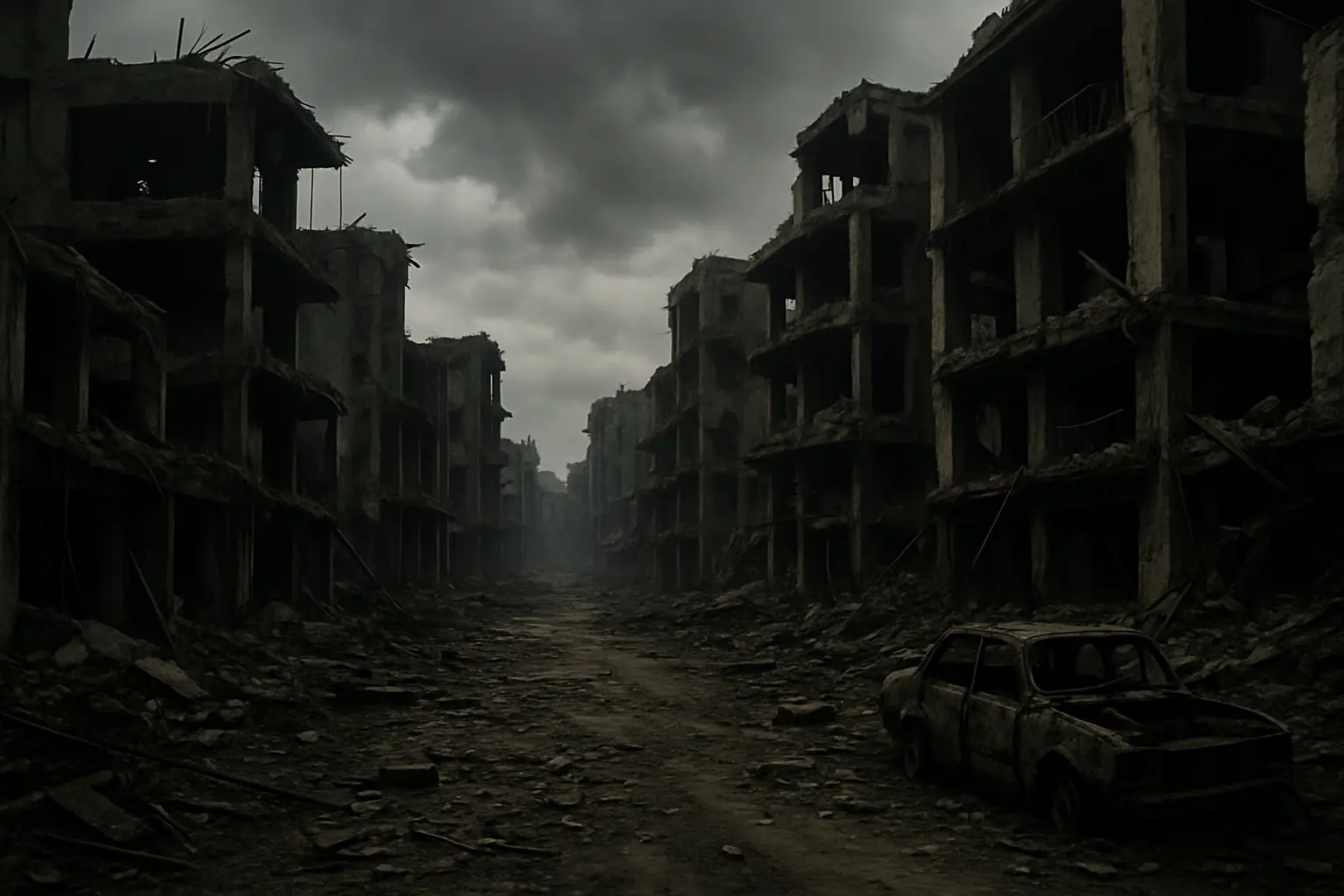
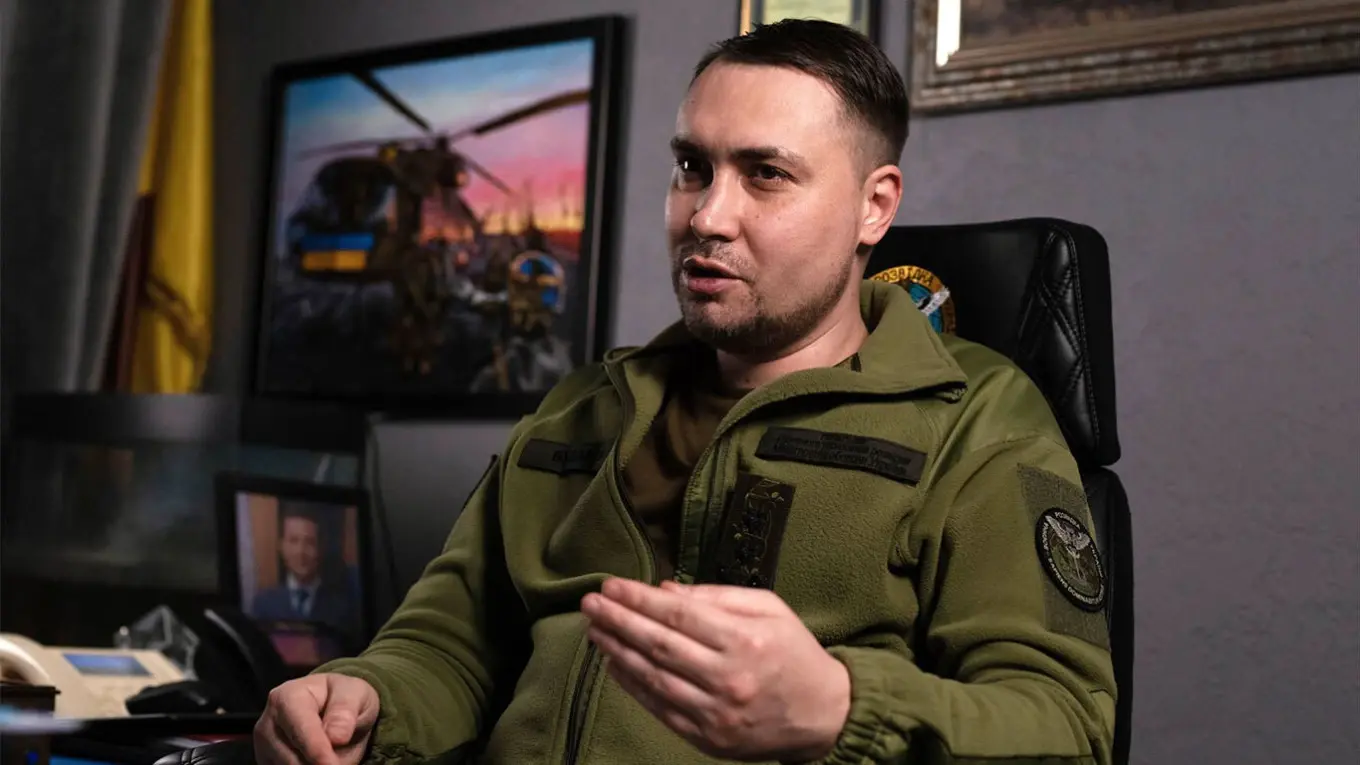
Kirill Budanov, head of Ukraine's military intelligence, has publicly acknowledged escalating diplomatic tensions between Ukraine and Poland. He cautions that the situation could worsen unless both sides exercise restraint. The immediate trigger was Poland's revocation of its highest honor from President Zelenskyy, a move Budanov calls a grave mistake with significant symbolic weight.
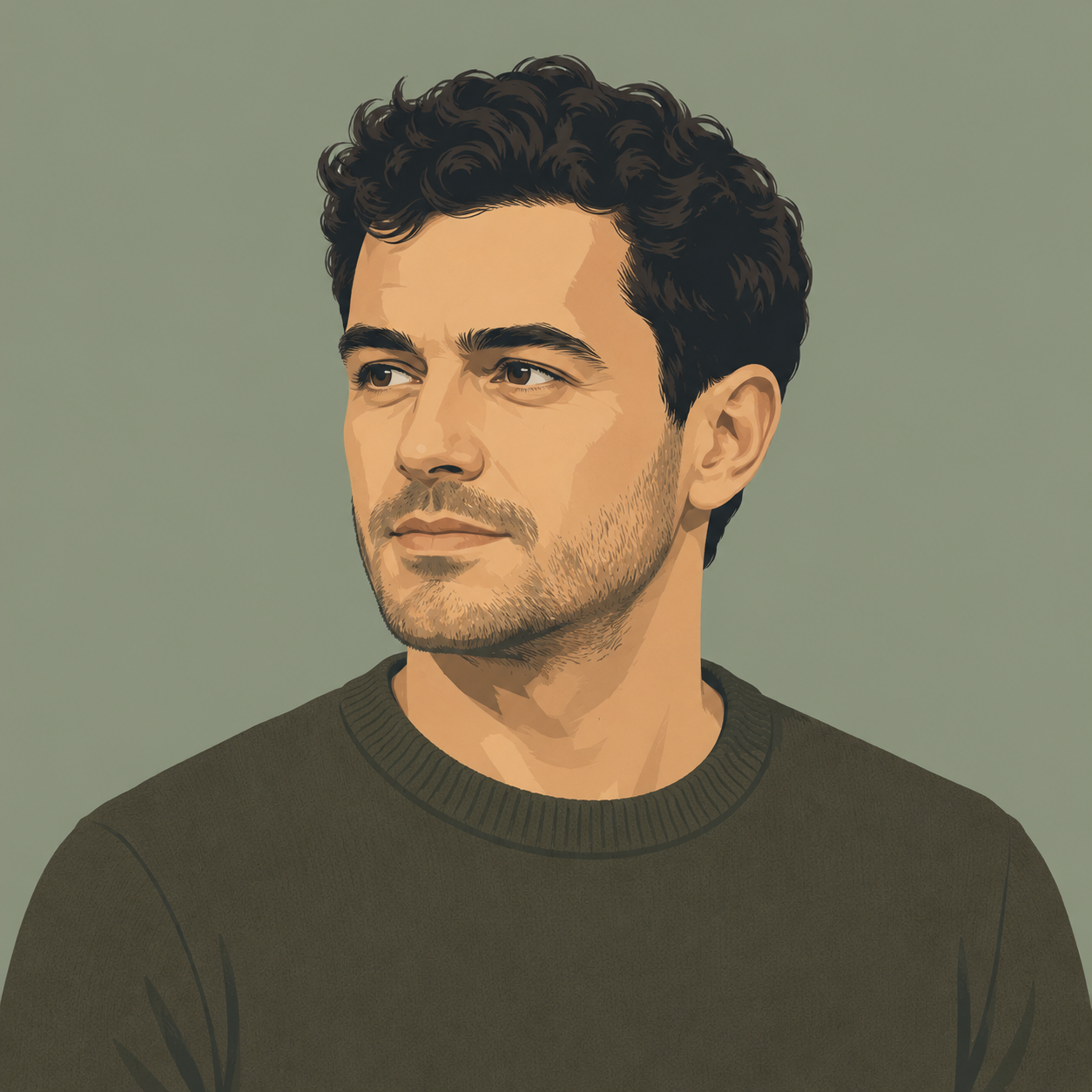
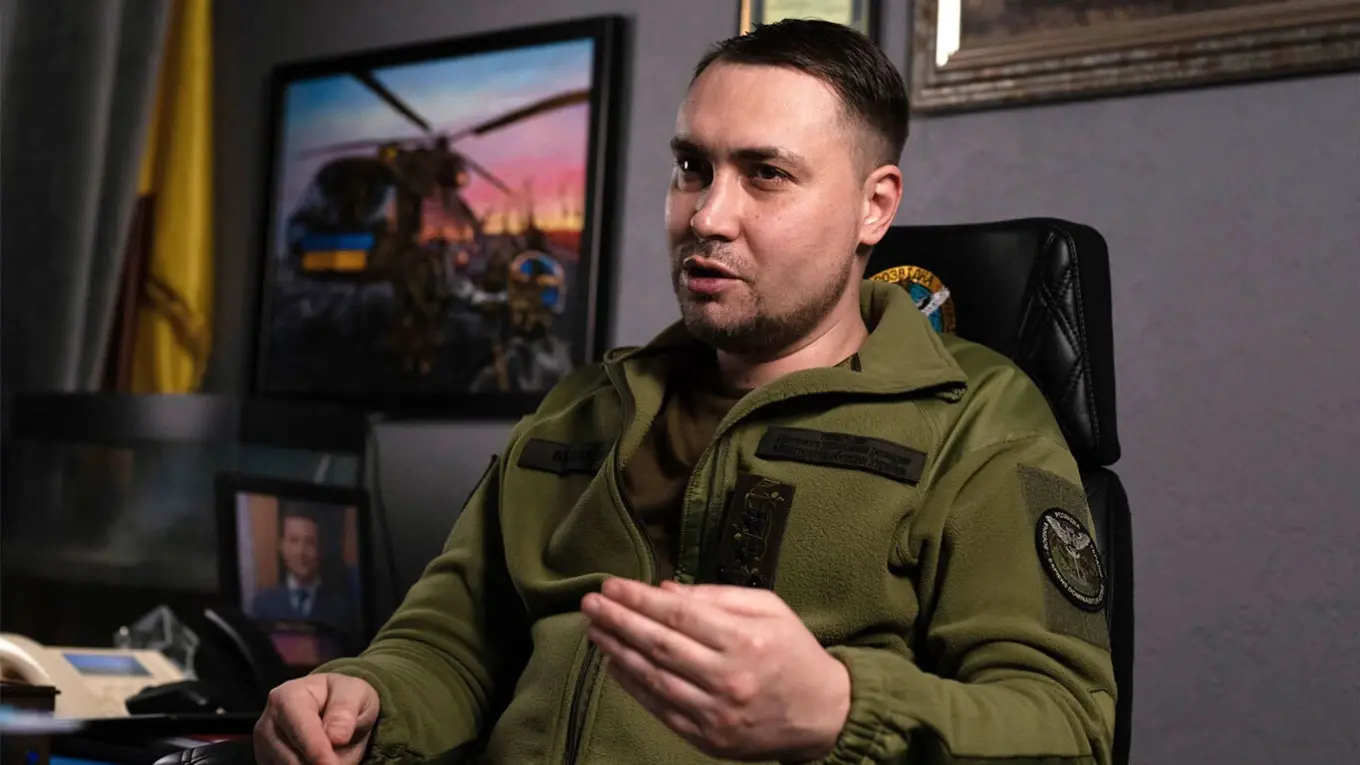
Kirill Budanov does not traffic in exaggeration. The head of Ukraine's military intelligence directorate, speaking at Kyiv-Mohyla Academy in remarks carried by Channel 24 and RBC-Ukraine, delivered an assessment that stripped away the diplomatic niceties obscuring relations between Kyiv and Warsaw. The rift is no longer hypothetical. It exists, it deepens, and Budanov believes the worst remains ahead.
He termed the present state of affairs "diplomatic tension," deliberately stopping short of the word conflict. The distinction carries weight. "It hasn't reached its peak yet, believe me," Budanov told the audience. "There's more to come, as they say. Unless everyone backs off just a little." The implication: absent restraint, the current dispute will intensify before it stabilizes.
The proximate cause is Polish President Karol Nawrocki's decision to revoke the Order of the White Eagle from Volodymyr Zelenskyy. Budanov called the move "very bad," then sharpened the judgment: "a terrible mistake." He went further, describing it as "immature," a signal of inexperience or perhaps the influence of harder voices within Poland's political establishment. Those who "pushed for it and ultimately made this decision," Budanov argued, have misjudged both the moment and the stakes.
The symbolism weighs heavily. The Order of the White Eagle is Poland's highest state honor. To strip it from Ukraine's president while Russian aggression persists is not administrative routine. It signals a shift in tone and, more troublingly, in trust. Budanov's reference to "people like Mussolini" as more fitting recipients of such dishonor is pointed. The gesture toward Zelenskyy, he said, is "extremely strange" when measured against the award's history and purpose.
Beneath the sharp public language lies an older principle. Budanov reminded his listeners of a "time-honored rule": nations must maintain stable relations with their neighbors. "You should always maintain more or less good relations with your neighbors. You should only quarrel with those who threaten the country," he said. "This is, first and foremost, a matter of security." The lesson, learned painfully in Ukraine's dealings with Russia, is that antagonizing neighbors for short-term political advantage carries long-term strategic costs.
The economic dimension is not abstract. Poland has served as a critical logistical and political ally for Ukraine since February 2022. Its border functions as both humanitarian corridor and conduit for Western military aid. Any cooling in relations risks disrupting these flows. The fallout would reach Ukrainian refugees, cross-border commerce, and the communities that have built ties during two years of war. According to figures from Ukraine's Ministry of Economy, bilateral trade with Poland exceeded $10 billion last year. Over 1.5 million Ukrainians have found refuge in Poland since the full-scale invasion, per UNHCR data.
Still, the Polish side carries grievances of its own. Controversies over the Ukrainian Insurgent Army and debates on historical memory have festered, feeding nationalist sentiment on both sides. For Warsaw, the politics of commemoration are inseparable from contemporary questions of sovereignty and security. This is the strongest argument against Budanov's counsel: that for Poland, some lines drawn in history cannot be crossed, even for the sake of present alliance. The risk is that both sides mistake symbolic gestures for substantive policy and, in doing so, lose sight of shared interests.
Budanov did not confine himself to external threats. Asked whether Ukraine should adopt the death penalty for corruption, as practiced in China, his answer was pragmatic and unsentimental. He noted that despite China's use of capital punishment, the tally of death sentences for corruption has only increased. "It doesn't work," Budanov said. Corruption, in his view, is universal. The solution lies not in draconian measures but in "clearly defined, refined, discussed, and more or less codified" rules. This is counsel of realism. Systems matter more than spectacle.
His comments on post-war coexistence with Russia were equally clear-eyed. "In any case, a certain [Russian] territory will always border ours. Well, most likely always. We need to prepare for this," Budanov said. The subtext: a Ukrainian victory, however defined, will not erase geography. The imperative is to plan for a future where Russia remains a neighbor, if not a partner. Budanov cautioned that such discussions are premature while the war rages, but the logic is inescapable. Borders will persist. So will the need for a modus vivendi.
Asked whether Ukraine should create a Mossad-style intelligence agency, Budanov was dismissive. "So all of this already exists. Why create something new? It's already there." Ukraine, he asserted, possesses the clandestine capabilities it requires. The comparison with Israel is instructive but also misleading. Ukraine's security establishment has, out of necessity, become adept at unconventional operations. The desire for a "Ukrainian Mossad" reflects more an aspiration for resilience than a gap in capacity.
The human consequences of war surfaced in Budanov's remarks on prisoner exchanges. He suggested that a new exchange could take place "in the coming days," as reported by RBC-Ukraine. The frequency and scale of such swaps remain opaque, but the prospect offers a rare point of hope. The war's attrition is measured not only in territory and materiel, but in lives interrupted and families divided.
Budanov also waded into the debate over national identity and migration. He warned against crossing the line from healthy nationalism into chauvinism. "It's a very fine line. And you must never cross it," he said. "Ukraine, in principle, no matter how much everyone might want to paint a different picture, is quite tolerant." He pointed to the diversity of Ukraine's population and rejected the narrative that recent unrest is the product of imported minorities. "If you want to be deceived, you will be deceived," Budanov added, a reminder that perception can be as potent as reality.
The undertone here is anxiety about information warfare. Budanov's reference to "IPSO" (information-psychological operations) is not accidental. In a war defined as much by narrative as by artillery, the manipulation of ethnic tensions becomes a weapon. The "mass migration" panic, he implied, is less an organic phenomenon than a manufactured crisis, one that benefits Russia and its proxies.
Yet for all Budanov's warnings, the dilemma of Ukraine's western frontier is not easily resolved. Poland's support since 2022 has been tangible: arms, diplomatic cover, sanctuary for millions displaced by war. The risk is that both sides, distracted by historical grievances and domestic pressures, allow a strategic partnership to unravel. Human capital is also at risk. The communities that have formed across the border, the businesses that have adapted, the families that have rebuilt, all depend on a stable relationship.
The Polish government, for its part, faces its own constraints. Domestic politics in Warsaw have shifted, with nationalist parties gaining ground. The decision to revoke Zelenskyy's award cannot be separated from the broader trend of political polarization. It is a concession to voters who perceive Ukraine as both partner and rival. For Polish leaders, the challenge is balancing genuine security concerns with the imperatives of alliance. For Ukraine, the lesson is that gratitude and shared sacrifice do not guarantee permanent solidarity.
Budanov's intervention is notable for its candor. He did not indulge in easy optimism or rhetorical flourishes. The message was unsparing: the crisis with Poland is real, the dangers of escalation are present, and the need for strategic patience is paramount. He conceded that Ukraine, like every country, is susceptible to corruption and internal division. He acknowledged that relations with Russia, for all the bloodshed, cannot be wished away. And he urged vigilance against the seductions of radicalism, whether in the form of draconian punishments or exclusionary nationalism.
There is, however, a counterpoint worth considering. For many in Poland, the wounds of twentieth-century history are not easily healed. The memory of wartime atrocities and the politics of remembrance retain a hold on the national psyche. To expect a clean break with the past is unrealistic. The strongest argument against Budanov's call for pragmatic neighborliness is that it may ask too much of societies still reckoning with old traumas. Yet the alternative, mutual suspicion and symbolic gestures escalating into material rifts, serves neither side.
Ukraine stands at a crossroads. The war with Russia has clarified some priorities while obscuring others. The temptation to see every quarrel as existential must be resisted. Budanov's warning applies as much to Kyiv as to Warsaw: "You should only quarrel with those who threaten the country." In a region where borders and alliances shift with painful regularity, the hardest lesson is that security begins at home, and next door.
Comentarii
Fii primul care comentează.
Von der Leyen declares 'new security era' after drone attacks on NATO sites
France faces bond market squeeze as US debt spiral reshapes global capital flows
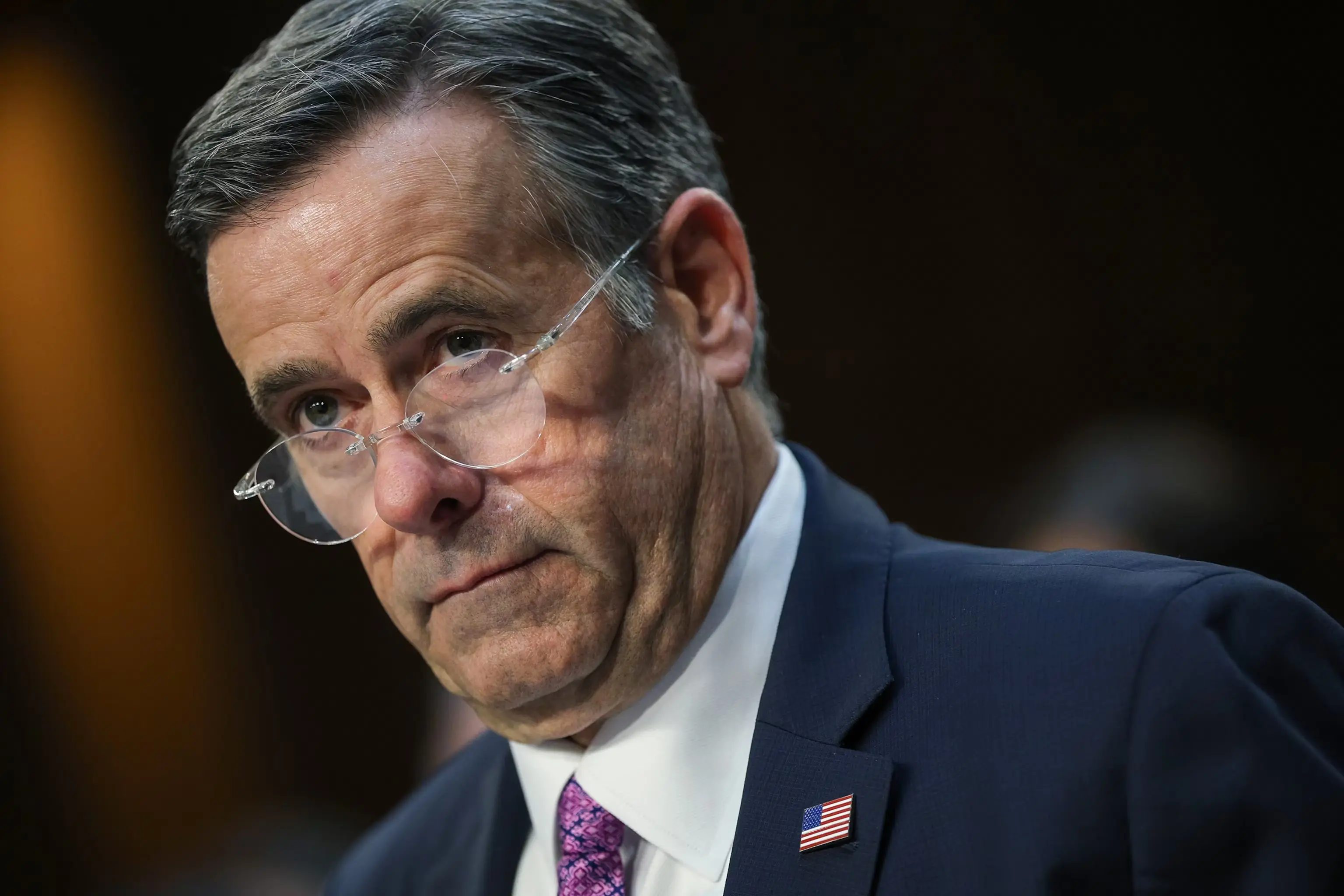
CIA chief travels to Moscow following US intelligence on Russian military preparations