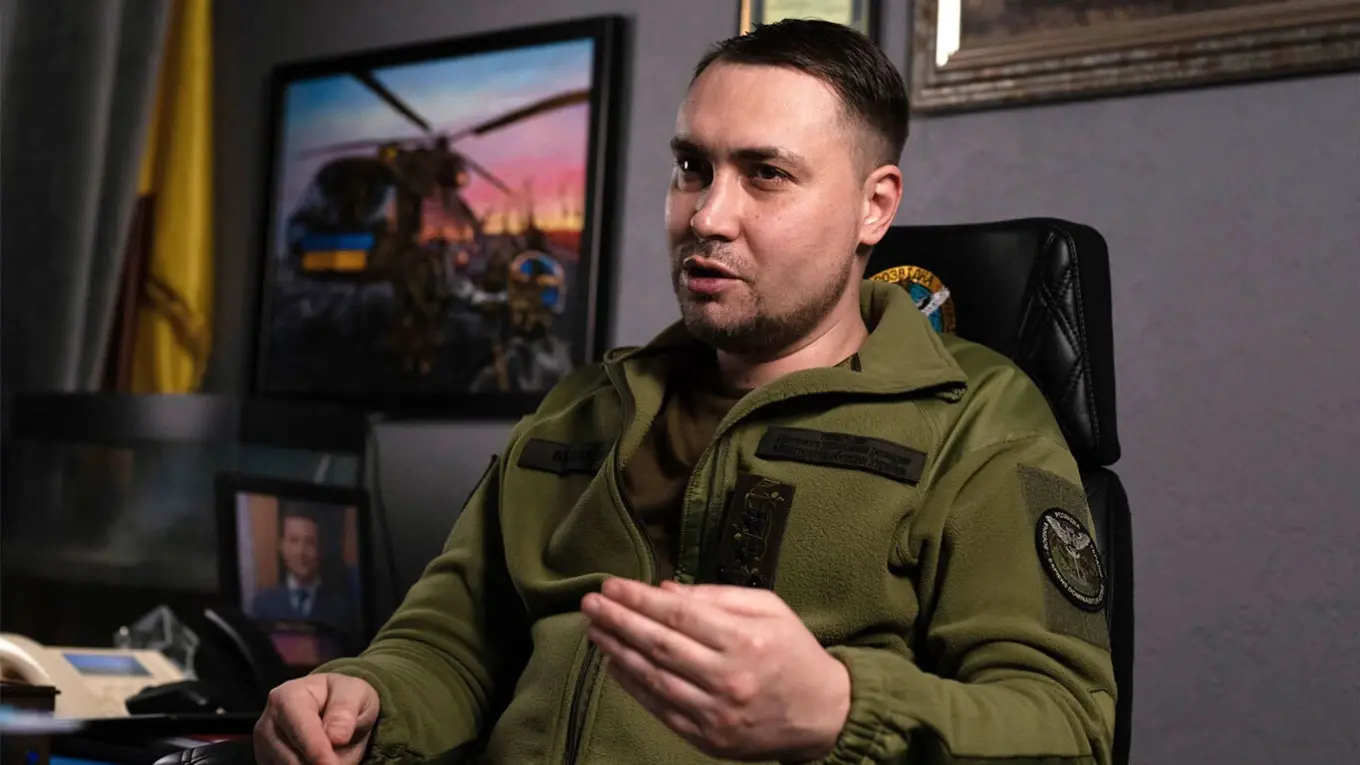
Ukraine's military intelligence confirms covert operations unit beyond borders
Kyrylo Budanov, head of Ukraine's military intelligence, publicly acknowledged a clandestine unit operating beyond Ukraine's borders to target those deemed responsible for crimes against the country. This admission confirms years of speculation and signals a shift toward direct, state-authorized actions rather than relying solely on international justice. The unit's approach draws comparisons to Israel's Mossad, reflecting a new era in Ukraine's security strategy.
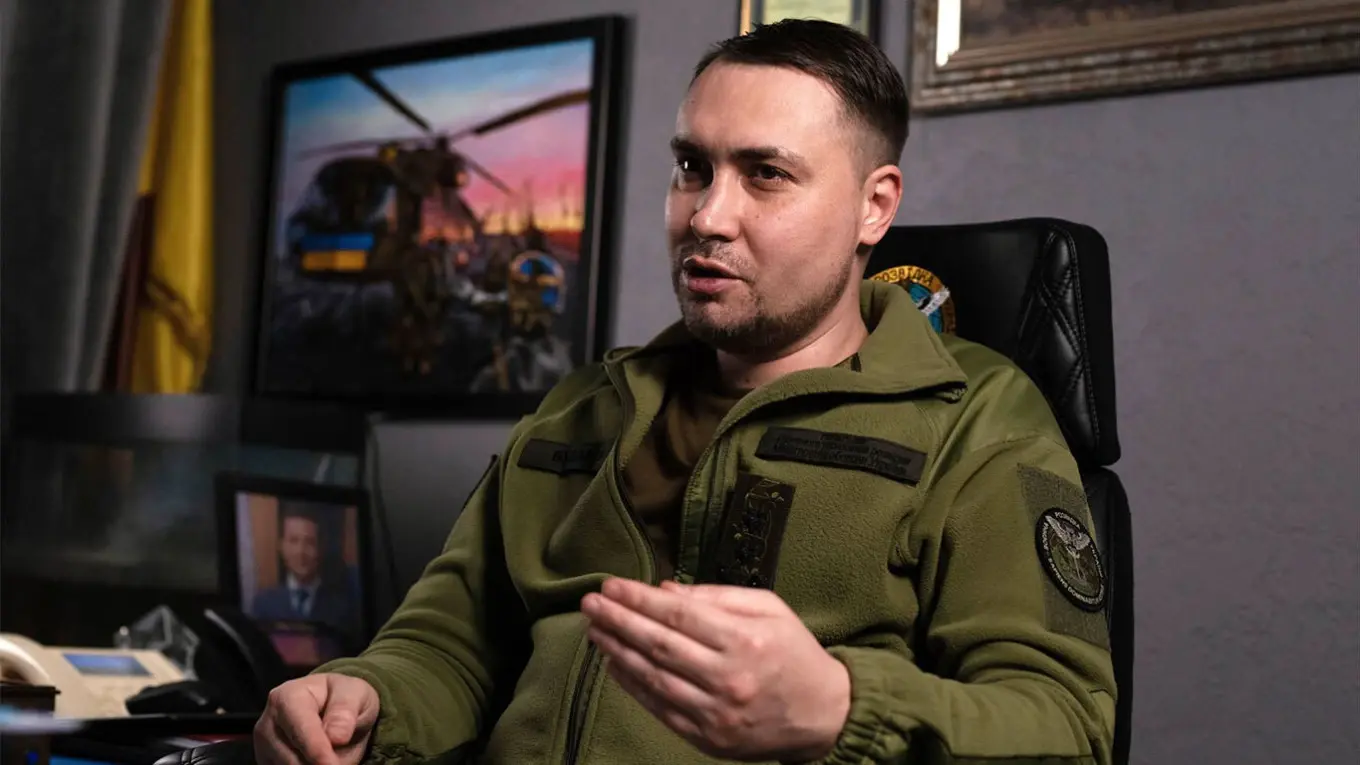
Kyrylo Budanov, head of Ukraine's military intelligence, has confirmed the existence of a clandestine unit tasked with tracking and neutralizing individuals responsible for crimes against his country. His statement, delivered in response to a direct question about establishing such a force, was unambiguous. "It already exists," he said.
The acknowledgment ends years of speculation. Foreign intelligence analysts had long debated whether Kyiv would respond to Russian aggression by creating a structure modeled on Israel's Mossad, one capable of conducting operations beyond Ukraine's borders. Budanov's reply transforms suspicion into official record.
According to multiple open-source reports, Ukrainian special services have been linked to the elimination of Russian military commanders, prominent propagandists, and saboteurs involved in the war. These operations bear the hallmarks of state authorization. The planning is methodical. The discipline evident. This is not the work of rogue actors or informal militias.
The approach signals a break from reliance on international tribunals. Kyiv's security apparatus now pursues what it terms asymmetric justice, direct action against those deemed responsible for aggression. The strategy is not without precedent. Israel's Mossad built its reputation on operations far beyond Israeli territory, targeting individuals held responsible for atrocities against Jews. The Ukrainian adaptation, if anything, is more explicit in its intent: to impose consequences on those who orchestrate or enable crimes against Ukraine, regardless of where they seek refuge.
Critics in Western capitals argue that extraterritorial operations risk undermining the international legal order. They point to dangers of escalation, potential civilian casualties, and the erosion of norms against assassination. The rule of law, they note, is not strengthened by secret violence. Every covert action carries the chance of diplomatic fallout or unintended harm.
Proponents respond that the international system has repeatedly failed to deliver timely justice for war crimes. For Kyiv, the doctrine of asymmetric justice is less a choice than a necessity, given Russia's continued impunity and the slow pace of international prosecution. The fact of Budanov's confirmation, public and unambiguous, functions as both warning and statement of intent. Ukraine has declared that those who order or commit atrocities will be pursued, not just by court summonses, but by agents who do not wait for permission from The Hague.
One detail stands out. Budanov's matter-of-fact response does not invite bravado or spectacle. It signals a shift in the rules of engagement, not a Hollywood script. For those who make war on Ukraine, geography is no longer a shield.
Comentarii
Fii primul care comentează.
CIA chief travels to Moscow following US intelligence on Russian military preparations
Russian AI drone kills three at Zaporizhzhia gas station
Ukrainian hacker crashes Russian defence budget call