Simion warns of Europe's strategic dependencies at forum
George Simion, leader of Romania's AUR party, criticized European dependency on global powers for production, defense, and energy. At the European Economic Forum, he urged investment in infrastructure and innovation.
Credit: Shutterstock
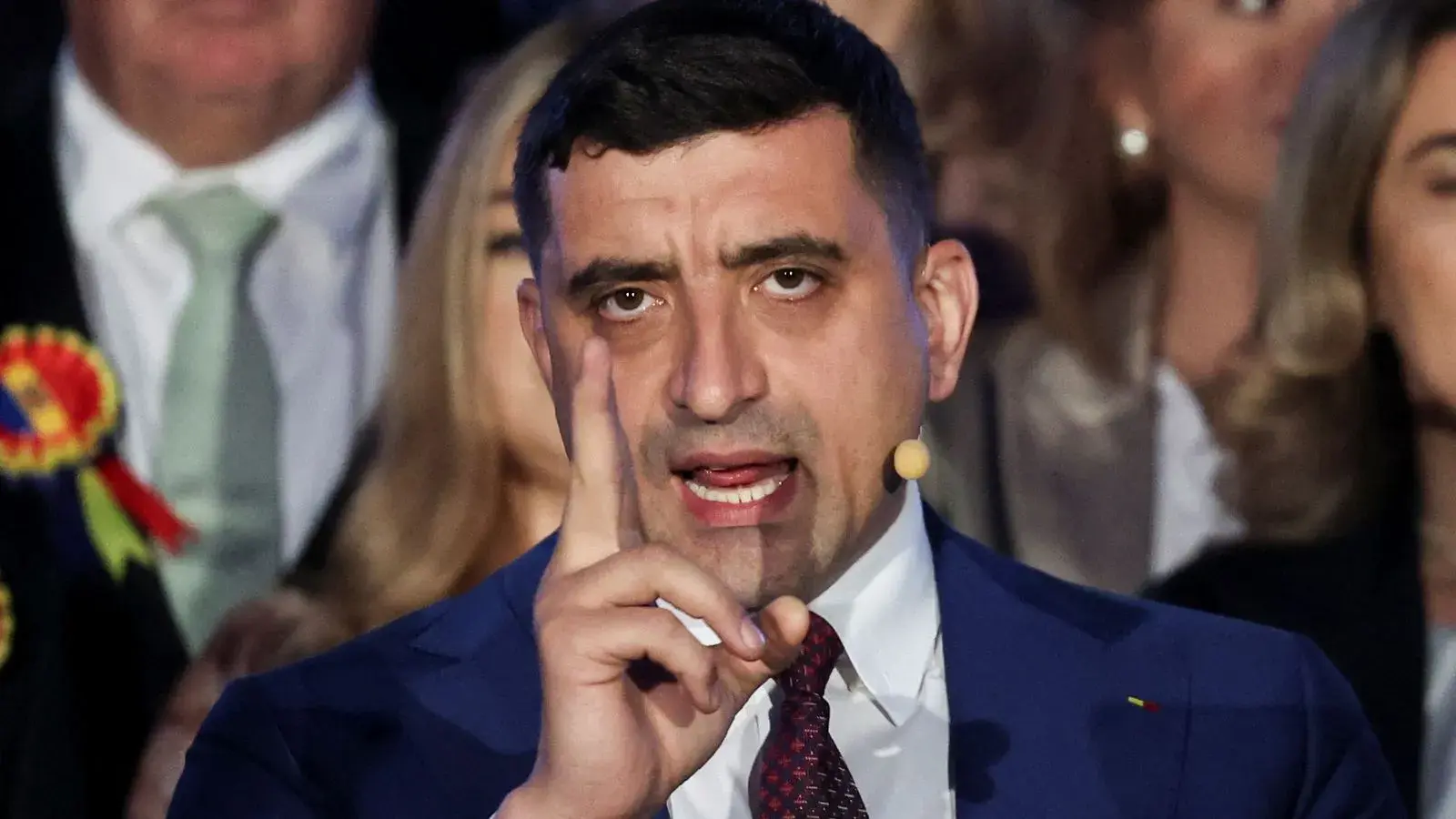
George Simion, President of the Alliance for the Union of Romanians (AUR), issued a stark warning about Europe's strategic dependencies at the European Economic Forum in Cluj on Saturday. He criticized European leaders for creating dangerous dependencies that could undermine Europe's global power status, emphasizing the need for economic self-sufficiency. Simion's statements highlight a significant concern: the high cost of reliance on major global actors for production, defense, and energy resources.
Simion's critique of European policy was clear and unyielding. He argued that the European Union's inability to secure its borders and protect its strategic interests jeopardizes its relevance on the global stage. "A continent that cannot defend its borders, economy, and identity will not remain a global power," he stated, underscoring the gravity of the situation.
His remarks reflect a broader skepticism towards the EU's current trajectory. The AUR leader's comments are rooted in recent European decisions that, according to him, have fostered dependency on countries like China for production, other nations for defense, and unstable regions for necessary energy resources. Simion's assertion that Europe must regain control over its strategic interests is a call to action for policymakers across the continent.
He highlighted the potential loss of global influence if these dependencies are not addressed. Simion's critique extended to the cultural and ideological shifts within the EU. He lamented that Romanians and other EU nations were encouraged to abandon certain traditional values in the name of progress, while their models were dismissed as outdated.
This perspective resonates with growing nationalist sentiments in several European countries, which challenge the EU's direction and policies. During his address, Simion advocated for a series of economic measures aimed at revitalizing Europe's industrial and economic field. He called for reducing taxes, stimulating entrepreneurship, and relaunching large-scale economic and industrial projects.
"Europe must become a continent that builds again," he declared, emphasizing the importance of investing in infrastructure, energy, industrial capacities, and technological innovation. These sectors, he argued, form the bedrock of European civilization. The economic strategy proposed by Simion is ambitious and reflects a desire to return to a more self-sufficient and resilient Europe.
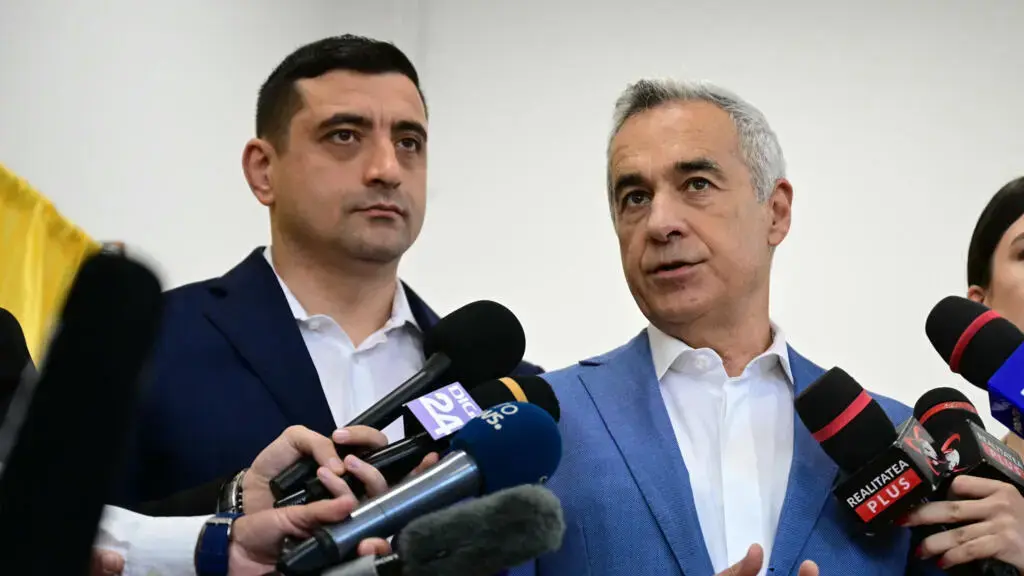

His approach suggests a shift away from dependency and towards a model of growth driven by domestic innovation and production. This vision contrasts sharply with the current economic policies of many European countries, which rely heavily on international trade and global supply chains. Simion's role as Vice-President of the European Conservatives and Reformists (ECR) Party lends weight to his statements, as the party is influential in shaping conservative policy across Europe.
His remarks at the forum are likely to resonate with other nationalist and Eurosceptic parties, potentially influencing the broader political discourse within the EU. The European Economic Forum in Cluj provided a platform for Simion to articulate his vision for Europe's future. His emphasis on economic sovereignty and strategic autonomy is a direct challenge to the existing European framework, which has prioritized integration and interdependence.
The forum, attended by influential leaders and policymakers, served as a critical venue for discussing these pressing issues. Simion's advocacy for economic reform is timely, given the current geopolitical climate. With growing tensions between major global powers, Europe's reliance on external actors for key resources and capabilities is increasingly seen as a vulnerability.
Simion's call to action encourages European leaders to reconsider their strategies and focus on building a strong and self-reliant economic infrastructure. The implications of Simion's statements are far-reaching. If adopted, his proposals could lead to significant shifts in European economic policy, emphasizing local production and reduced reliance on global supply chains.
Such changes would require substantial investment and political will, but they align with broader trends towards economic nationalism and protectionism observed in several countries. As Europe faces mounting challenges, including security threats and economic instability, the debate over strategic dependencies is likely to intensify. Simion's comments at the forum highlight the urgency of addressing these issues and the need for a cohesive strategy to safeguard Europe's future as a global power.
The European Economic Forum will continue to serve as a key platform for discussing these critical topics. Future discussions and policy decisions will determine the path Europe takes amid these global challenges. Simion's perspective adds a important voice to the ongoing debate about Europe's role in the world and its ability to maintain its status in an increasingly competitive and interconnected global field.
Comentarii
Fii primul care comentează.