UDMR blocks AUR talks, rejects independent premier
Csoma Botond, head of UDMR's parliamentary group, firmly rejected both an alliance with the nationalist AUR party and the idea of an independent prime minister. He emphasized that only a politician backed by a party could effectively govern and negotiate in Romania's ongoing political crisis. These statements highlight deep divisions and the challenges facing efforts to form a new government.
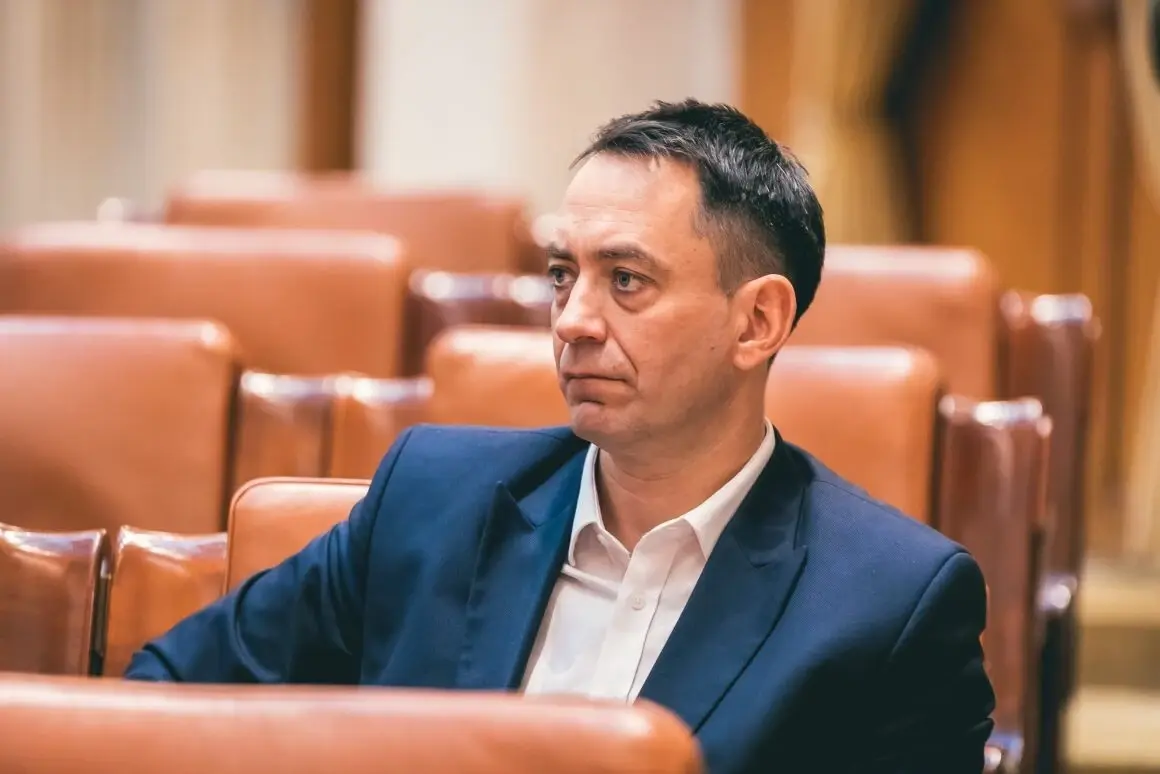
Csoma Botond, leader of the UDMR parliamentary group, ruled out any alliance with AUR and rejected proposals for an independent prime minister in Bucharest on Thursday, as Romania's political crisis entered its eighth month without a functioning government. Botond, speaking before internal party deliberations, told reporters, "We don't want to deal with AUR and sovereignist, chauvinist independents."
The statement came as President Klaus Iohannis prepares to convene consultations next week for a new prime minister, following the collapse of the Bolojan Government in a no-confidence vote in May. Two subsequent candidates, Eugen Tomac and Adrian Veștea, failed to secure the 233 votes required for investiture, leaving Romania without an effective executive for three months.
Botond dismissed the idea of a technocratic premier. "It should be a politician," he said, arguing that only a party-backed candidate could command the authority to negotiate with parliamentary factions or enforce discipline within a coalition. An independent, he suggested, would lack the institutional weight to govern in the current climate.
The UDMR's refusal to engage with AUR reflects longstanding tensions over ethnic and ideological divisions in Romanian politics. AUR, a nationalist party that entered parliament in 2020, has been accused by opponents of exclusionary rhetoric toward ethnic minorities, particularly Hungarians. Botond's reference to "sovereignist, chauvinist independents" appeared to include deputies aligned with smaller parties such as SOS and POT, which have adopted similar positions on national identity and minority rights.
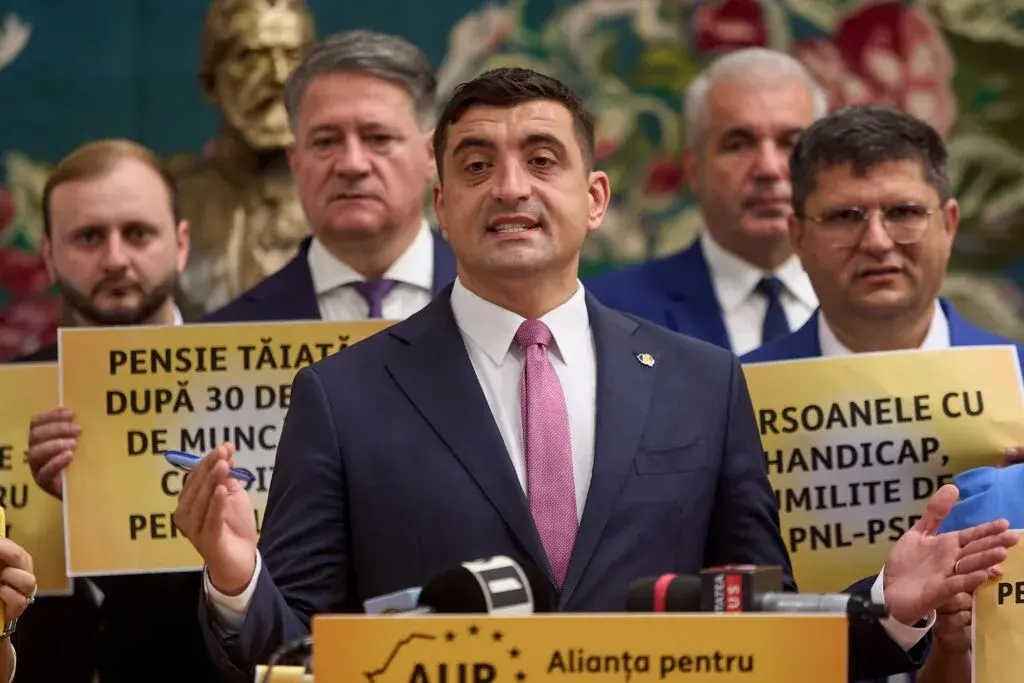
Mihai Curteanu, AUR's Cluj representative, responded sharply. "AUR won't disappear because an MP doesn't want to deal with us," Curteanu said in a statement released Thursday evening. He accused Botond of engaging in "cheap propaganda" and called for dialogue without demonization. "Democracy means disagreeing without demonizing," Curteanu argued.
Curteanu invoked Cluj's history of inter-ethnic cooperation to counter accusations of chauvinism. "Romanians and Hungarians built communities together in Cluj," he said, adding that "Romania belongs to all its citizens." He defended AUR's commitment to engaging with all ethnic groups, positioning the party as a victim of political maneuvering rather than an obstacle to consensus.
The exchange highlights the arithmetic problem facing any new government. With 233 votes required for investiture, no single party or traditional coalition commands a majority. The UDMR holds 29 seats, AUR 47, SOS 33, and POT 21, according to the latest parliamentary count. Even centrist alliances between PSD, PNL, and UDMR fall short without additional support, forcing parties to consider alliances with factions they have historically shunned.
Botond questioned whether any new majority was feasible under present circumstances. His skepticism, delivered as a personal view ahead of formal party discussions, signals a hardening stance that could further complicate efforts to break the deadlock. The UDMR's "red line" against AUR collaboration has been a recurring theme in the party's public statements since the 2020 election, when AUR's nationalist platform drew sharp criticism from minority representatives.
The failure of recent prime ministerial candidates illustrates the scale of the challenge. Tomac, nominated by PMP in June, secured only 187 votes, well short of the threshold. Veștea, an independent backed by a centrist coalition, reached 206 votes in July but could not persuade smaller parties to join. Both attempts collapsed over disagreements on policy priorities and coalition discipline.
Romania's political crisis has stalled legislative activity and delayed key budgetary decisions. The caretaker government, led by Bolojan in a limited capacity, lacks the authority to implement major reforms or negotiate with the European Commission on recovery funds. Public frustration has mounted, with opinion polls showing declining confidence in political institutions.
The upcoming consultations are seen as a critical juncture. Iohannis is expected to meet with party leaders on Tuesday and Wednesday, according to the presidential administration. The president has the constitutional authority to nominate a prime minister, but the nominee must secure parliamentary approval within ten days or face a new round of consultations.
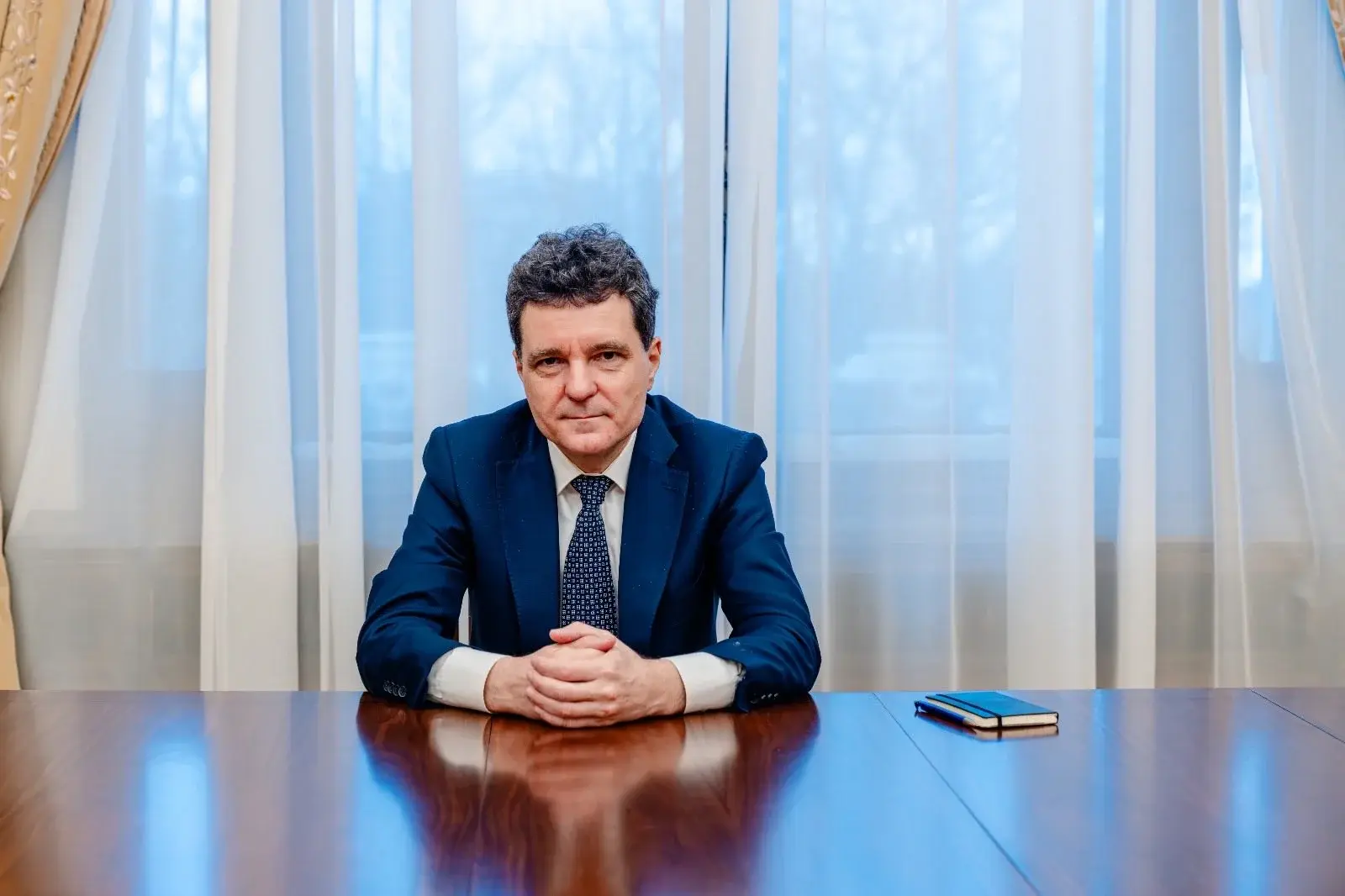
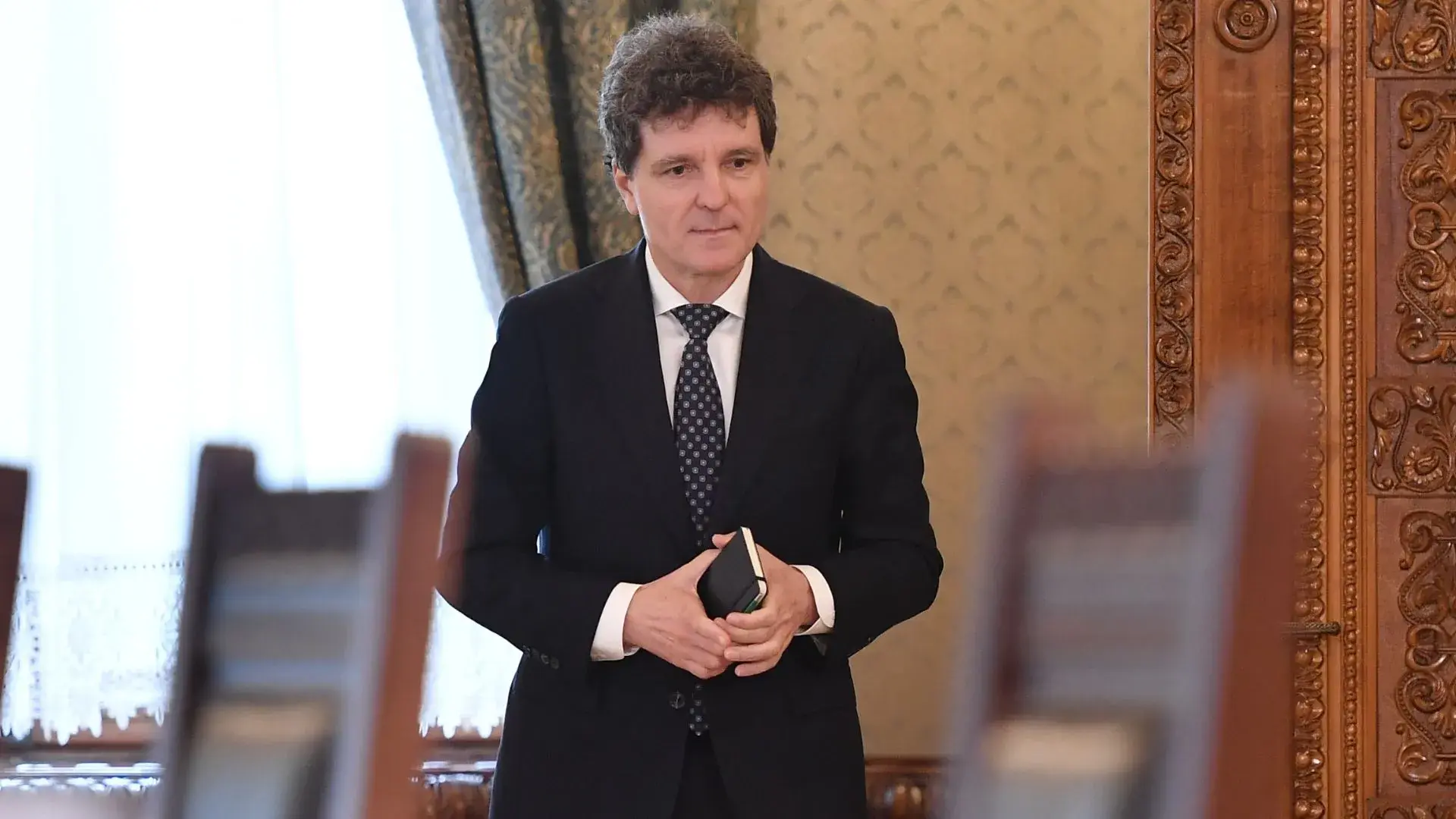
Botond's dismissal of the independent premier proposal was rooted in concerns about authority. He argued that a technocrat would be unable to negotiate with party leaders or enforce policy decisions, a view echoed by other faction leaders who have warned against non-partisan solutions in a polarized environment. "You need a political base to govern," Botond said.
The UDMR's position is consistent with its historical reluctance to engage with parties perceived as nationalist. The party, which represents Romania's Hungarian minority, has long opposed alliances with AUR or similar factions, citing concerns about rhetoric on minority rights and territorial integrity. Botond's reference to "chauvinist independents" appeared to extend this red line beyond AUR to include deputies aligned with sovereignist platforms.
Curteanu's response sought to reframe the debate around democratic norms. By invoking Cluj's inter-ethnic history, he positioned AUR as a party willing to engage with all citizens, challenging the narrative advanced by UDMR leaders. His assertion that "Romania belongs to all its citizens" was intended to counter accusations of exclusion and to defend AUR's legitimacy as a political actor.
The broader context is one of mounting frustration. The failure to form a government has left key ministries without leadership and delayed the implementation of measures agreed with the European Commission. The requirement for 233 votes creates strong incentives for parties to seek alliances, but deep-seated mistrust and ideological differences have so far prevented the emergence of a stable majority.
The Bolojan Government's dismissal in May marked a turning point. The no-confidence motion, supported by 241 deputies, exposed the fragility of existing alliances and the volatility of parliamentary support. Subsequent efforts to form a new government have been hampered by the refusal of key parties to compromise on core principles, including UDMR's stance on AUR and related factions.
Curteanu's intervention reflects AUR's strategy of appealing to democratic principles and challenging exclusionary tactics. By accusing Botond of divisive labeling, he sought to position AUR as a victim of political maneuvering. His references to Cluj's inter-ethnic cooperation and to the inclusivity of Romanian citizenship were aimed at broadening the party's appeal beyond its core base.
The next round of consultations is scheduled for next week, with party leaders under pressure to find a solution that commands sufficient parliamentary support. Botond's statements, while presented as a personal view ahead of party deliberations, reflect deep-seated attitudes within UDMR. The party's executive committee is expected to formalize its position on coalition talks at a meeting scheduled for Monday.
The requirement for 233 votes for investiture remains the immediate obstacle. Both Botond's skepticism about coalition prospects and Curteanu's insistence on dialogue without demonization point to a political system struggling to reconcile competing visions of democracy and representation. The parliamentary arithmetic dictates that no party can afford to ignore smaller factions, however deep the ideological divides.
Romania's prolonged crisis has heightened public anxiety and undermined confidence in political institutions. The inability to form a government has left the country without a clear path forward on economic reforms, judicial appointments, and European integration commitments. The continuing standoff between parties like UDMR and AUR is both a symptom and a cause of the broader instability.
As the deadline for forming a new government approaches, attention will focus on whether any party is willing to reconsider its position. Botond's remarks suggest that UDMR is unlikely to shift its stance in the near term. Curteanu's rebuttal signals AUR's determination to remain part of the national conversation, despite exclusion from coalition talks by centrist and minority parties.
UDMR's rejection of AUR and independent candidates significantly narrows the coalition options available to President Iohannis. With two previous prime ministerial candidates already failing investiture votes, the party's hardline stance on potential partners leaves few viable paths to form a government majority.
Comentarii
Fii primul care comentează.