Medical passport for chronically ill children wins PES contest
A project advocating for a European medical passport for chronically ill children won at the PES Summer University. The initiative, highlighted by European Parliament Vice-President Victor Negrescu, seeks to facilitate medical information access and ensure continuous care across Europe.


A European medical passport for children with chronic illnesses won top prize at the PES activists Romania Summer University, beating competing proposals in a contest judged by senior party figures.
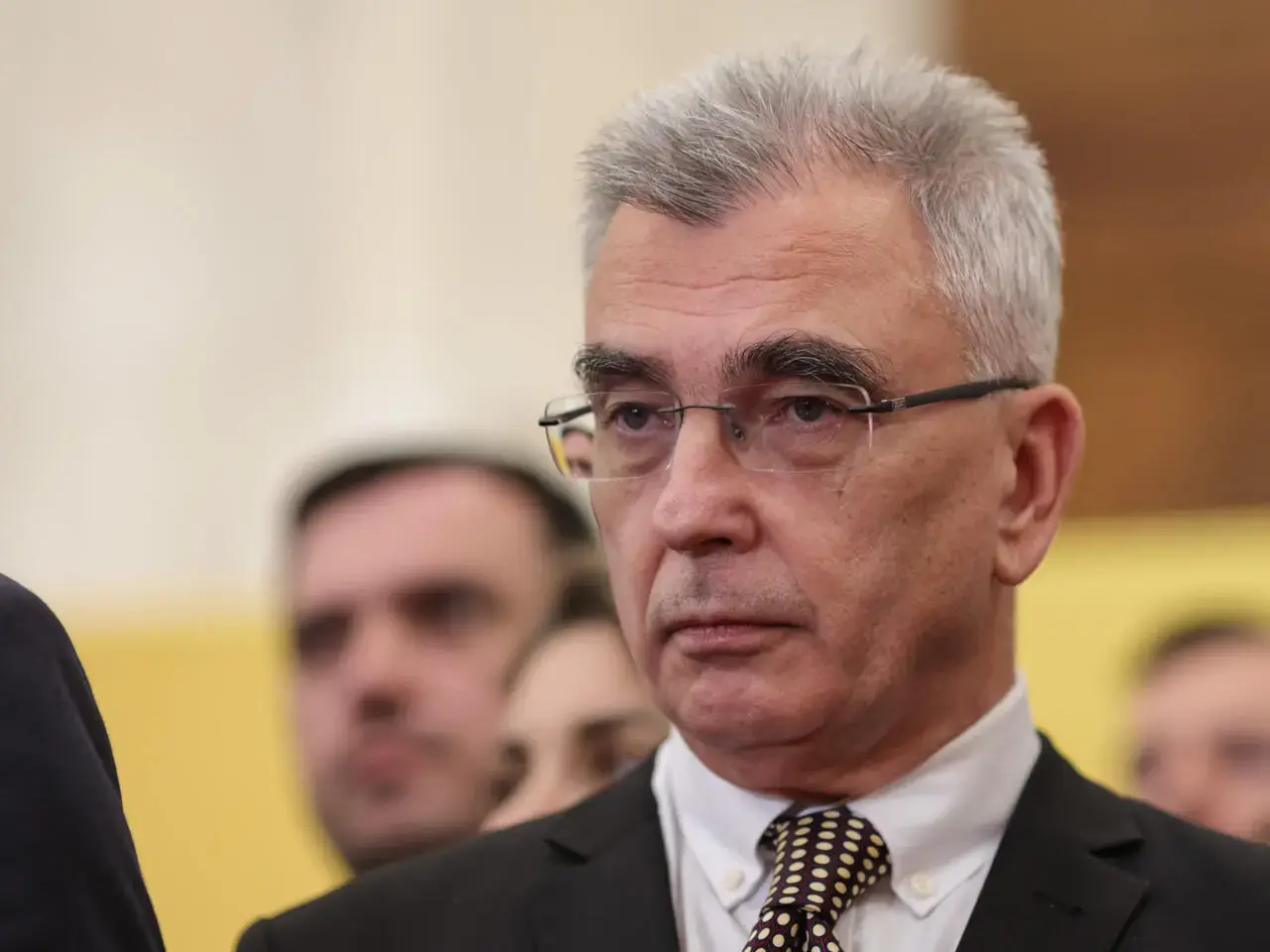
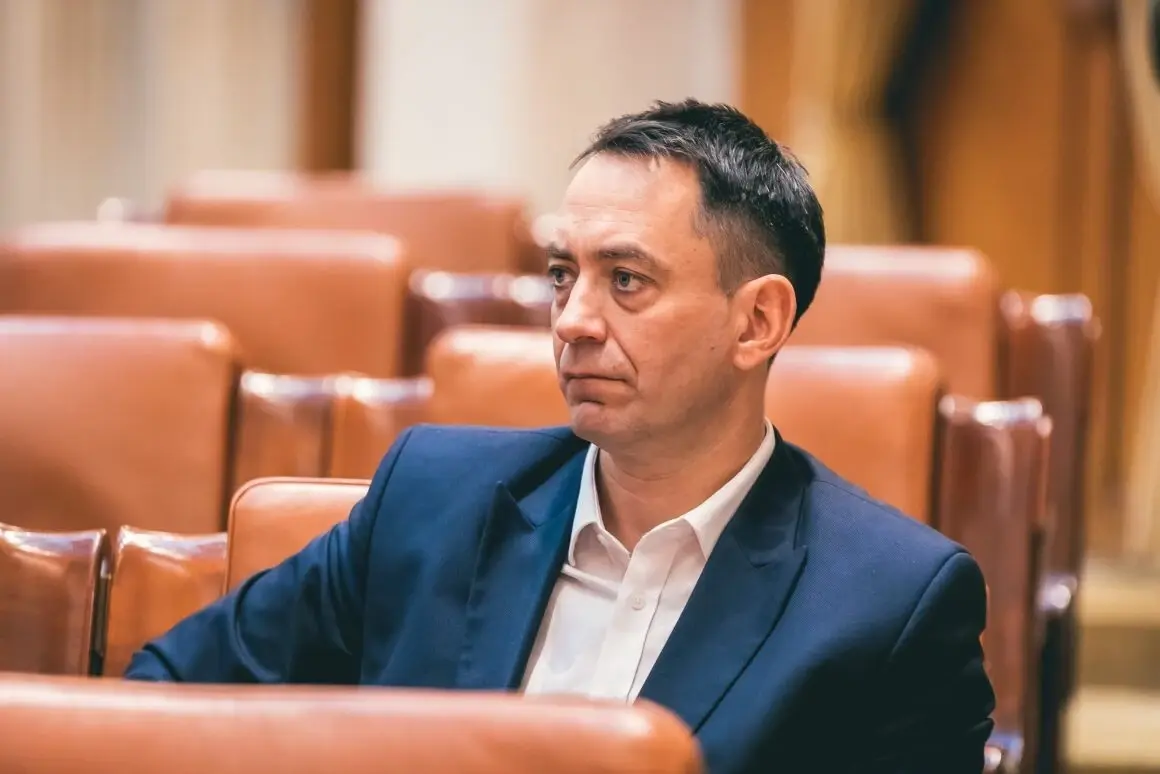
Victor Negrescu, Vice-President of the European Parliament, announced the result in a Facebook post on Tuesday. The passport would allow medical records to follow sick children across EU borders, ensuring treatment continuity during travel. "This year we wanted participants not just to listen, but to build," Negrescu wrote. Teams at the Summer University developed projects evaluated by a panel including Florin Manole, Marius Budăi, Radu Magdin, and Robert Cazanciuc.
Negrescu called the winning entry "a concrete idea that can become a European initiative" and urged all participants to turn their proposals into actionable policy.
The passport addresses a gap in cross-border healthcare. Children with chronic conditions often face treatment interruptions when traveling within Europe because medical information does not transfer smoothly between national systems. A unified passport would carry diagnosis, medication, and care protocols, accessible to providers in any member state. This creates continuity. Families could move freely without restarting diagnostic processes or losing access to specialized care their children depend on daily.
Negrescu congratulated the winners and told other teams to keep refining their work. The Summer University format prioritized hands-on project development over lectures, reflecting what organizers described as a shift toward practical policy-making. Whether the passport advances beyond the contest remains uncertain.
Negrescu did not specify next steps, funding sources, or a timeline for EU-level adoption. The proposal aligns with broader European efforts to integrate healthcare systems, but implementation would require agreement among member states on data standards, privacy rules, and cost-sharing. Similar cross-border health initiatives have stalled in the past over technical and political obstacles.
The European Health Insurance Card, introduced in 2004, covers emergency care but does not transfer detailed medical histories. Chronic illness management involves more complex data than emergency treatment, raising questions about how a passport system would handle sensitive information. Proponents argue the project could serve as a template for other vulnerable groups.
Elderly patients and people with disabilities face comparable barriers when traveling for work or family reasons. If the children's passport proves workable, the model might extend to adults. The contest drew participants from across Romania's PES network, tackling topics ranging from youth employment to climate policy, but the medical passport stood out for its specificity.
Judges favored proposals with clear beneficiaries and measurable outcomes. Negrescu praised the collaborative atmosphere at the event and said the winning team would receive support to develop the idea further. He did not detail what that support entails or whether the European Parliament would take up the proposal formally.
Comentarii
Fii primul care comentează.