Romania-Hungary Diplomatic Strain as Magyar Skips Bucharest
Hungary's new Prime Minister, Péter Magyar, has yet to engage in high-level talks with Romania, despite meetings with other regional leaders. Analyst Ștefan Popescu highlights Romania's lack of a coherent neighborhood policy, particularly in relation to Hungary. Romania and Hungary share significant economic ties, yet diplomatic relations remain strained. The absence of a clear foreign policy strategy is criticized as a major shortfall for Romanian diplomacy.

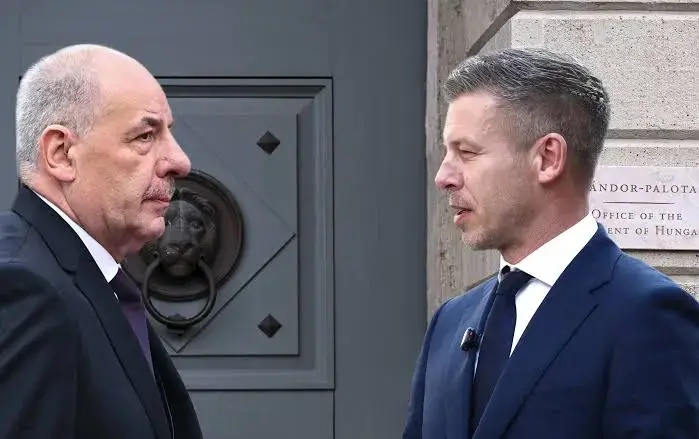
Hungary's Prime Minister Péter Magyar, who has been in office for 100 days, has yet to engage in high-level discussions with Romanian officials, despite having met with leaders from Austria and Poland. This absence of dialogue highlights a growing strain in diplomatic relations between Romania and Hungary. In an interview with 'Adevărul', analyst Ștefan Popescu criticized Romania's approach, stating that 'Romania does not have a well-defined neighborhood policy'.
Magyar's tenure marks an attempt to differentiate from former Prime Minister Viktor Orbán, which has led to tensions with both the UDMR and the broader Hungarian administration. Despite these internal challenges, any Hungarian government remains committed to maintaining strong ties with the ethnic Hungarian community in Romania, which numbers over 1.2 million.
Romania and Hungary are significant economic partners, with Hungary standing as Romania's third largest foreign investor and Romania being one of Hungary's top trade partners. However, despite these connections, Popescu argues that Romanian political parties have not prioritized foreign policy, leading to a lack of consistent diplomatic engagement. This is particularly evident in the absence of annual government meetings and the failure to establish a common strategic direction.

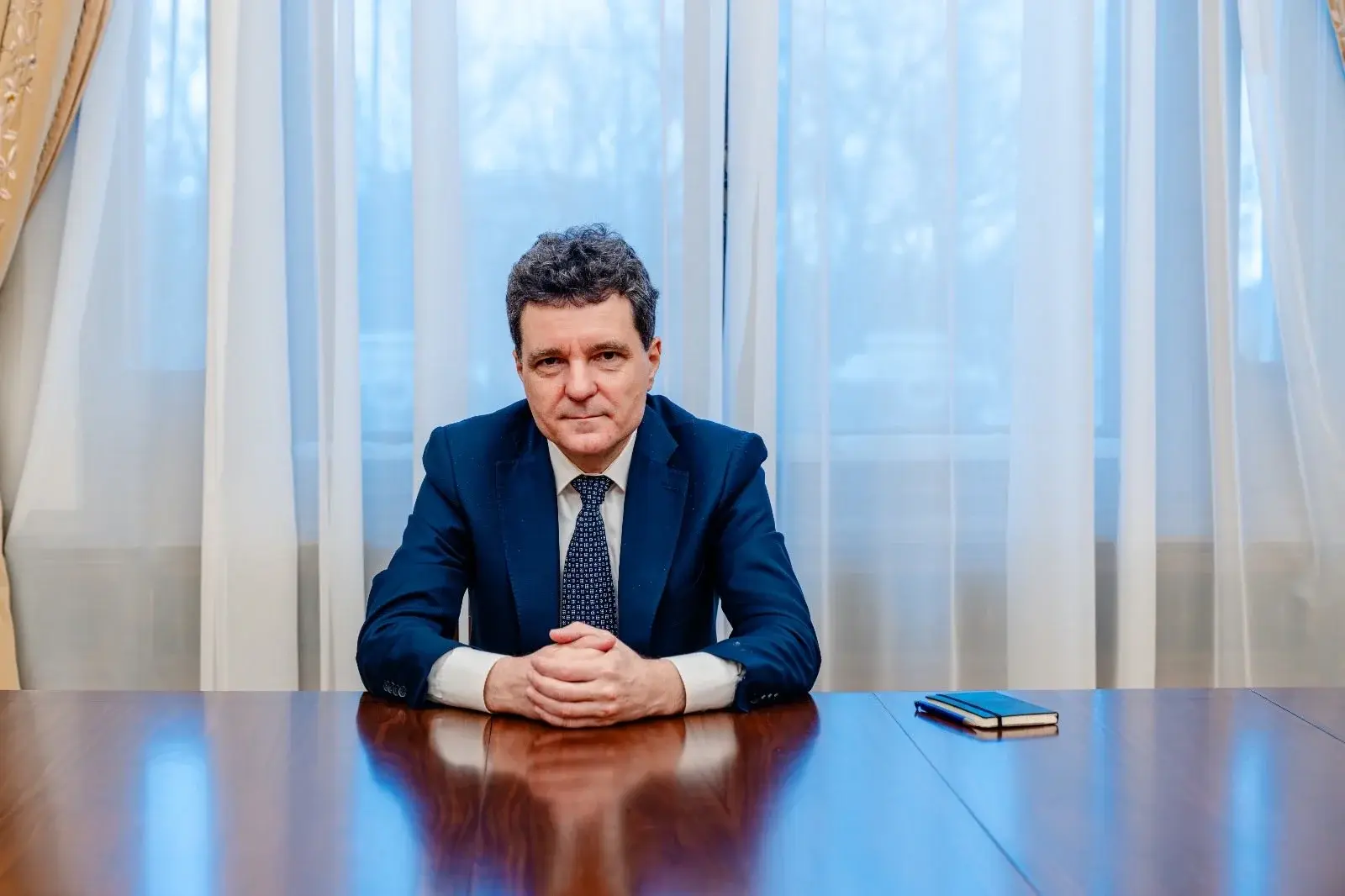
The relationship between Romania and Hungary is further complicated by geopolitical factors and historical ties. Many ethnic Hungarians in Romania hold dual citizenship, making them a key demographic in Hungarian politics. Magyar's efforts to reform the Hungarian state and reduce Fidesz's influence are part of his broader strategy, but his lack of engagement with Romanian leaders leaves a gap in bilateral relations.
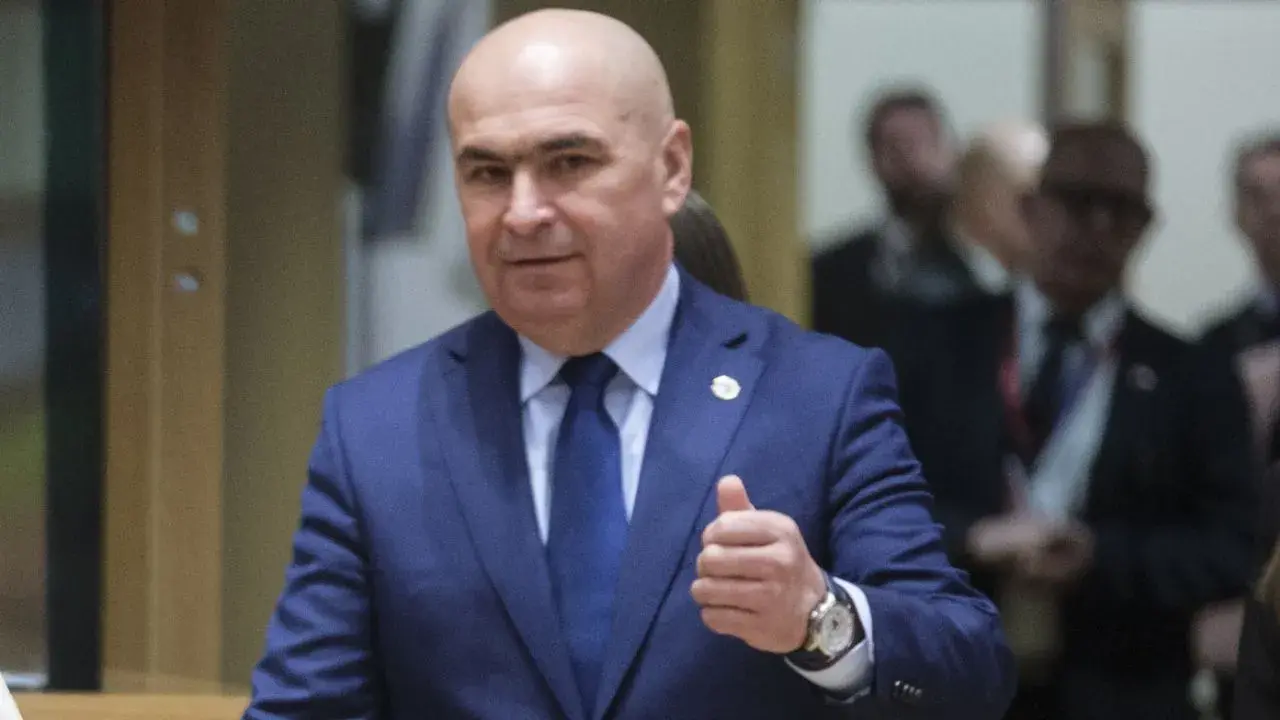
Romania's foreign policy has been criticized for focusing too narrowly on consular issues, without a broader strategic vision for its neighbors, including Hungary. Popescu suggests that a consistent neighborhood policy should be a priority, as regional cooperation is important for small markets like those in Central Europe. Despite Romania's invitation for Magyar to visit, extended by Ilie Bolojan in April, no such visit has taken place.
The need for a coherent foreign policy is highlighted by the shared interests of Romania and Hungary, particularly in the gas market and the German industrial environment. Both countries could benefit from coordinated positions on the German industrial crisis. However, the lack of a common declaration or strategic pact indicates a failure to reach diplomatic maturity. Popescu remains skeptical about the possibility of a Snagov-type foreign policy agreement, which would provide a stable framework for Romania's international relations.
Source: adevarul.ro
Comentarii
Fii primul care comentează.