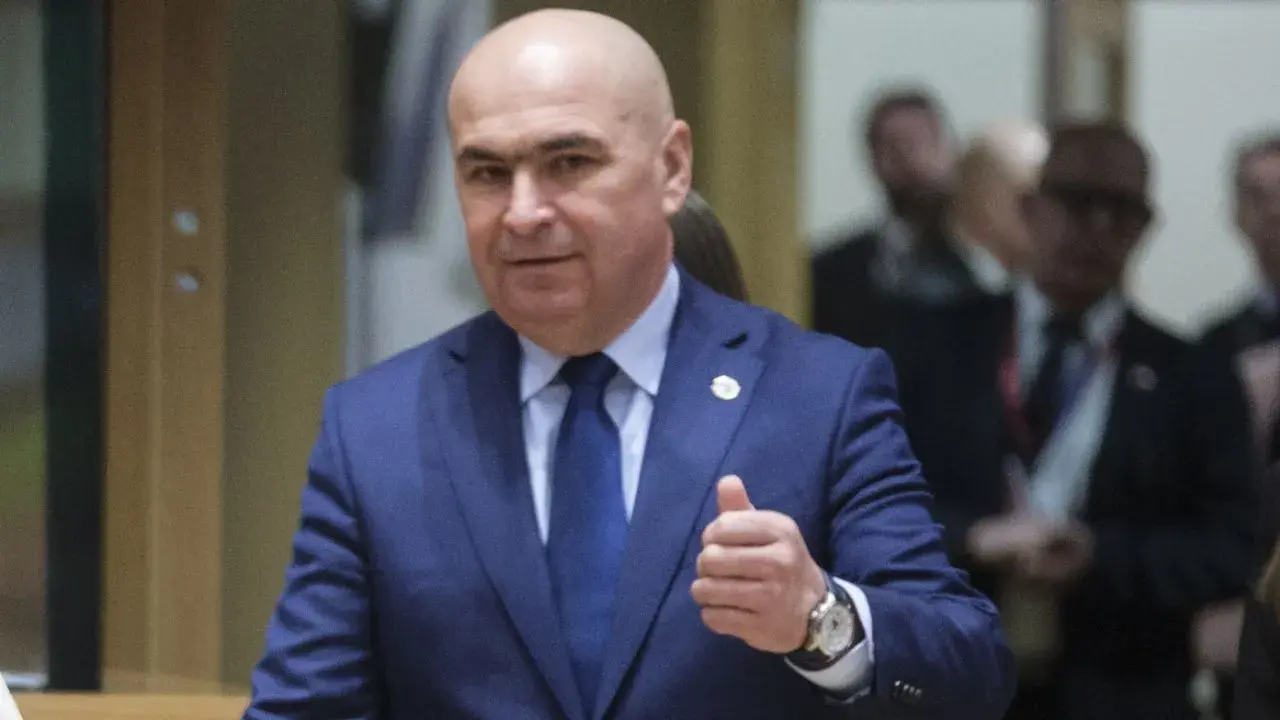
Prahova Tribunal Frees Former Brașov Leader Căncescu
Judges George-Gabriel Bogdan and Raluca-Nicoleta Anghel at Prahova Tribunal overturned Aristotel Căncescu's detention. They ruled a DNA prosecutor lacked competence at his parole hearing. Căncescu, known as the 'Baron of Brașov', led the Brașov County Council from 2000-2016. He served nearly eight years for corruption, with damages of approximately 47 million lei not fully recovered. The decision followed a rejected parole appeal by a Ploiești Prosecutor.

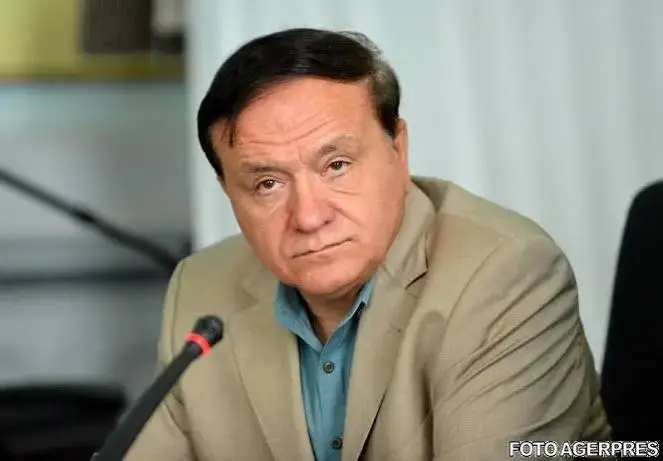
Judges George-Gabriel Bogdan and Raluca-Nicoleta Anghel from the Prahova Tribunal have decided to release Aristotel Căncescu, a former influential political figure in Brașov, from detention. The decision came on August 12, 2026. It followed their ruling that a DNA prosecutor lacked the competence to participate in Căncescu's parole hearing.
Căncescu, often referred to as the 'Baron of Brașov', served as the president of the Brașov County Council for four terms between 2000 and 2016. He wielded significant power. He controlled the local branch of the National Liberal Party (PNL) and a media trust, which extended his influence across political, administrative, and economic spheres in the region.
The tribunal's decision came after a retrial was ordered, with a Ploiești Prosecutor representing the Public Ministry at a parole hearing on May 13, 2026. Initially, the Ploiești Court had rejected Căncescu's parole request on June 3. The court cited that the time served was insufficient for him to have learned from his punishment. The court also warned that releasing individuals early for severe crimes could encourage similar offenses.
Despite these concerns, Căncescu appealed the decision. The Prahova Tribunal's judges questioned the competence of the DNA prosecutor involved in the proceedings ex officio. This ultimately led to Căncescu's release. The tribunal also dismissed the prosecutor's appeal against the parole.
Căncescu had been serving a sentence of seven years and ten months for corruption-related offenses. Although the state managed to recover some of the approximately 47 million lei in damages through garnishing his pension, the full amount remains outstanding. A significant gap. The anti-corruption prosecutor had argued against Căncescu's parole, citing his failure to provide sufficient evidence of reform and to meet civil obligations resulting from his conviction.
Comentarii
Fii primul care comentează.