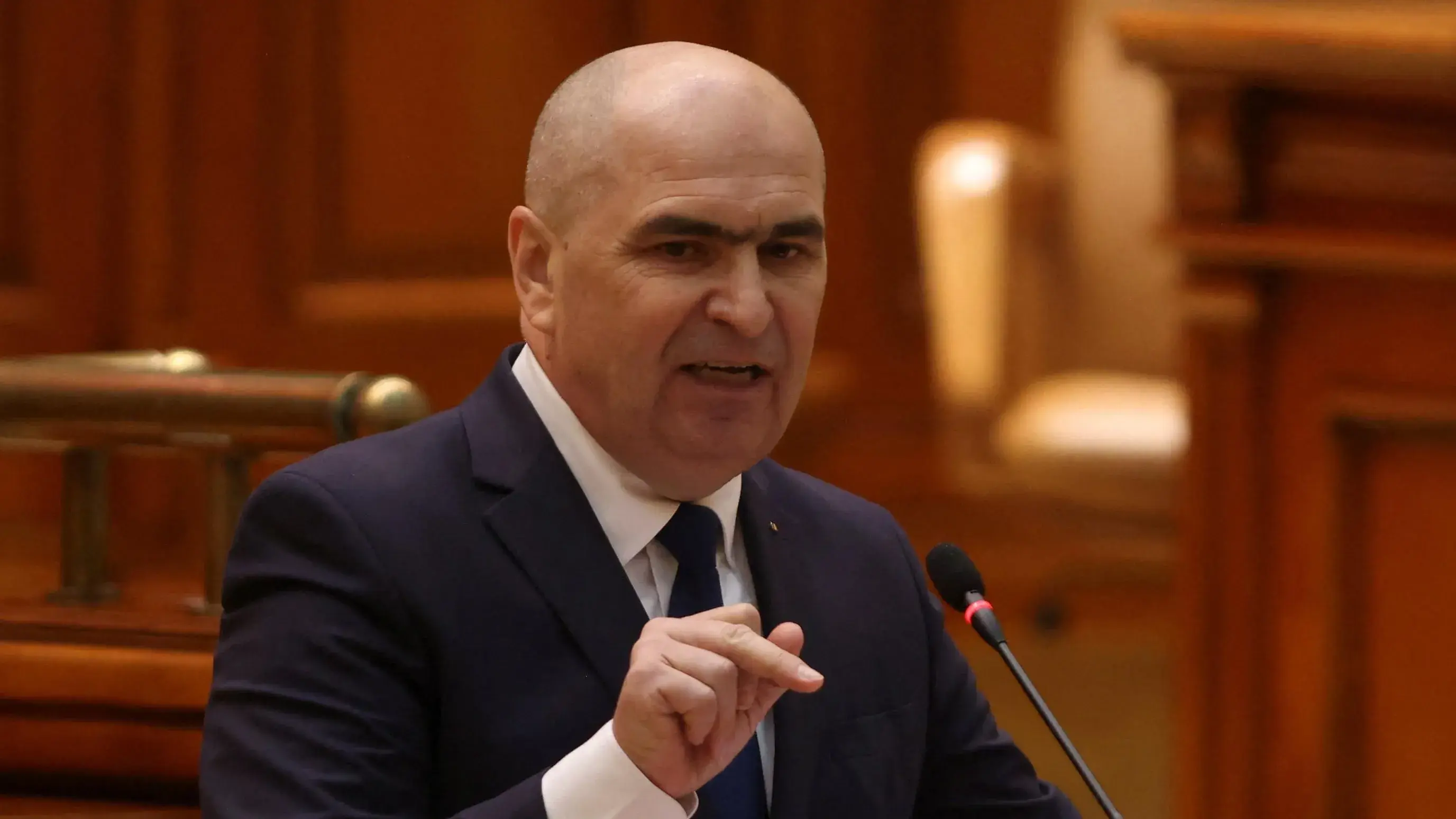
Bolojan Advocates Salary Hikes, Calls for Public Sector Reforms
Ilie Bolojan discussed potential public sector salary increases on B1 TV. Proposed raises range from 10% to 20% for underpaid workers, with higher salaries remaining frozen. To fund these increases, Bolojan suggests cutting state expenses through staff reductions and institutional mergers. These reforms aim to secure €800 million from the PNRR and stabilize Romania's financial ratings. A meeting at Cotroceni Palace seeks support for the new salary law.

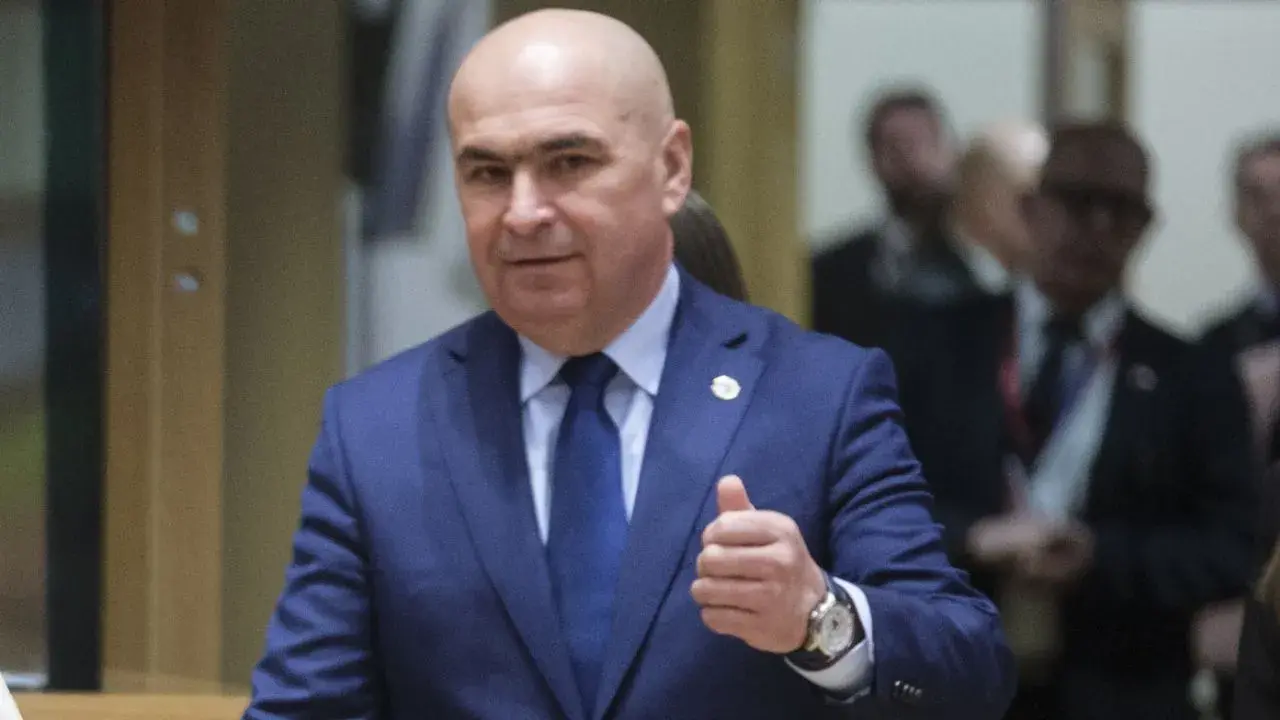
Ilie Bolojan, speaking on B1 TV on Wednesday, outlined plans for a new salary law that could lead to wage increases of 10%, 15%, or even 20% for certain underpaid public sector employees. However, he emphasized the need for significant cuts in state expenditures to balance these hikes.
Bolojan noted that while some public salaries are set to rise, those deemed excessively high will remain frozen. This approach aims to address salary disparities within public administration without reducing the current higher wages. "Better two well-paid than three poorly paid," Bolojan stated, highlighting his preference for a leaner, better-compensated public workforce.
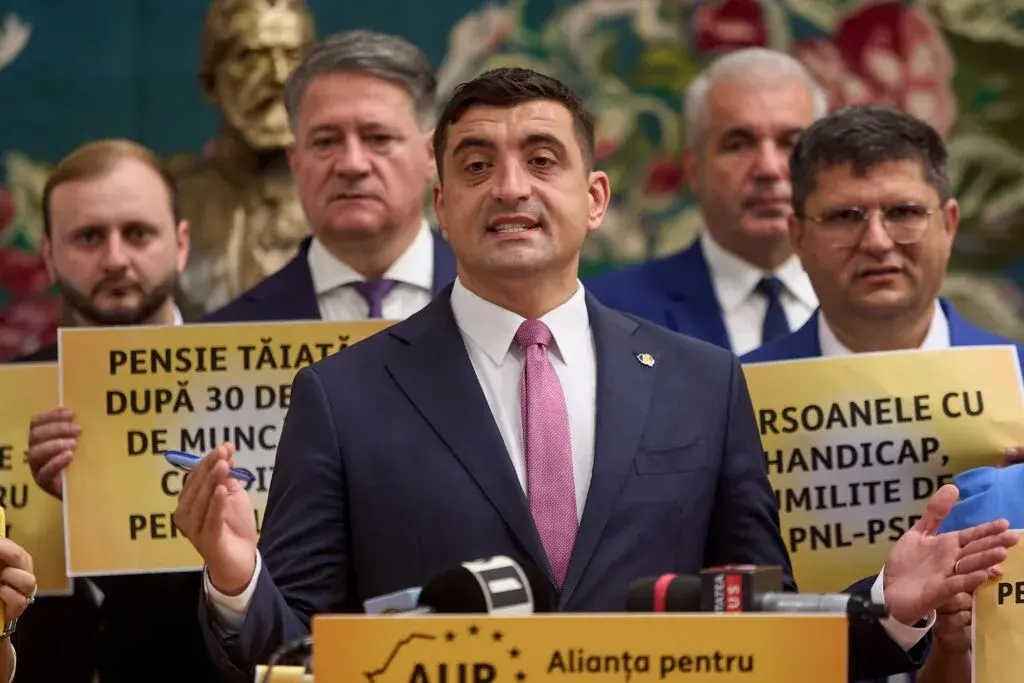
The proposed salary law, which was discussed technically on Wednesday, will be further deliberated at a meeting scheduled for Thursday at Cotroceni Palace. The primary objective of this gathering is to garner support for the law, which is key for Romania to access €800 million from the National Recovery and Resilience Plan (PNRR). The law also seeks to improve predictability in salary expenses, thereby averting investor confidence issues and potential downgrades in the country's credit rating.
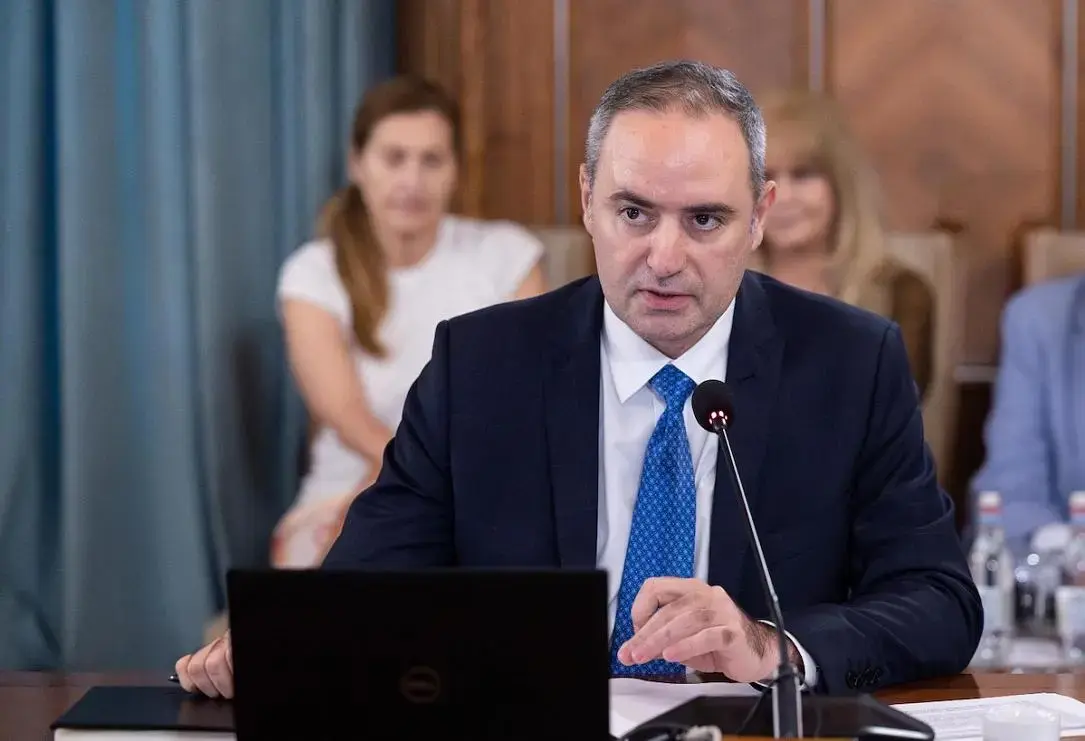

Despite these proposed changes, Bolojan acknowledged the challenges of freezing public sector salaries after two years of stagnation. He warned that any future government might struggle to maintain these caps. Additionally, the pressure to increase the wage fund could result in reduced public investments.
Romania faces the task of reducing its budget deficit from approximately 6% to just over 5%. To achieve this, Bolojan suggests reducing state operating costs through staff cuts or institutional mergers. His previous proposals for such mergers, including within the Agriculture Ministry, have yet to gain political traction.
The healthcare sector also requires efficiency improvements, as hospital overcrowding and rising medicine costs threaten budget sustainability. Bolojan suggested that using more affordable generic drugs could improve patient access while controlling expenses.
As Romania navigates these financial reforms, the end of PNRR funding next year presents additional challenges. Public investments, currently at nearly 8% of GDP due to EU funds and program closures, are expected to decline, complicating next year's budget planning.
Source: www.aktual24.ro
Comentarii
Fii primul care comentează.