Give Caesar His Due
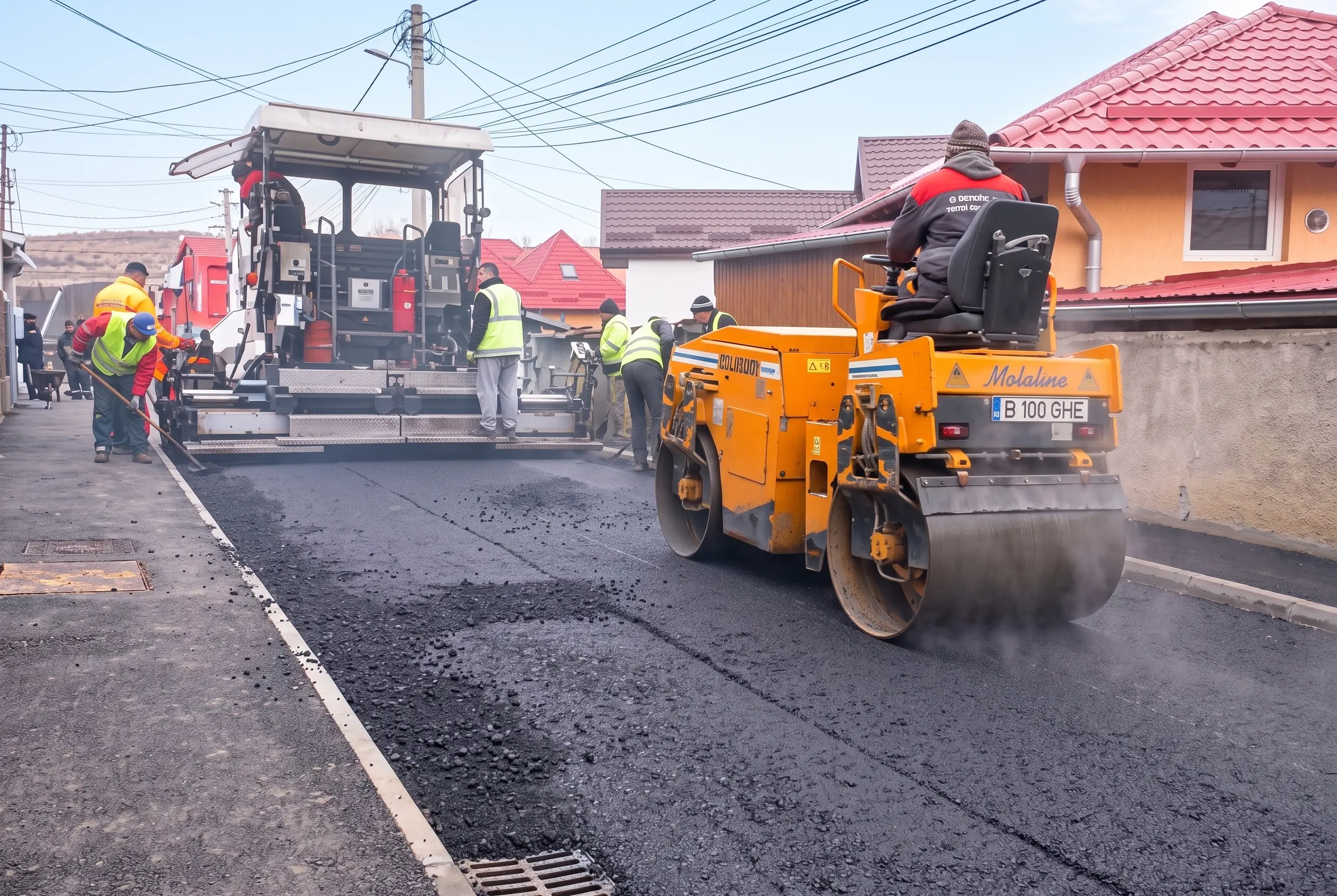
Turda has use European funds to secure over 450 million euros in investments, averaging 10,400 euros per resident, thanks to a proactive funding strategy. In contrast, nearby Florești, despite a larger population, received far less, highlighting a significant disparity in regional funding. Turda's achievements include hospital modernization, school upgrades, and green infrastructure.
Arhivă
More than 111 million lei from the national recovery fund, in a town of 43,000 souls. A grotesque amount of money for a small city — which is exactly why it deserves a hard look.
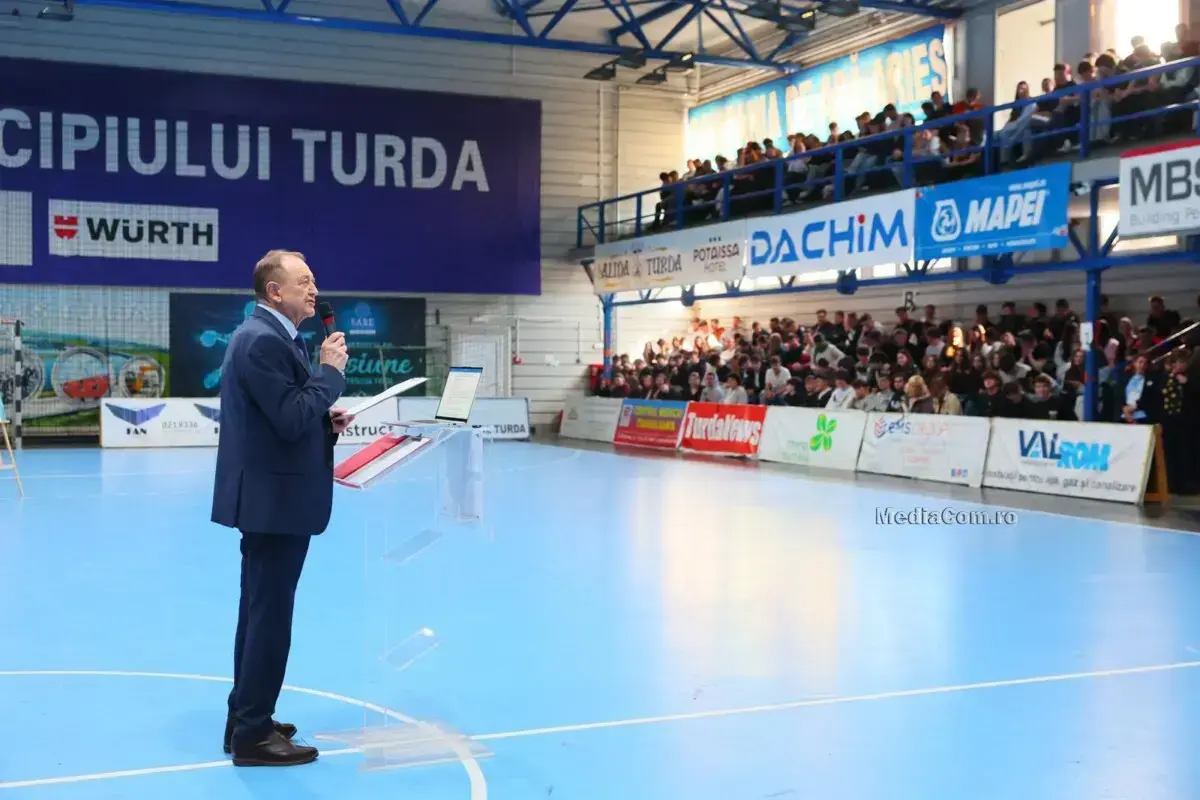
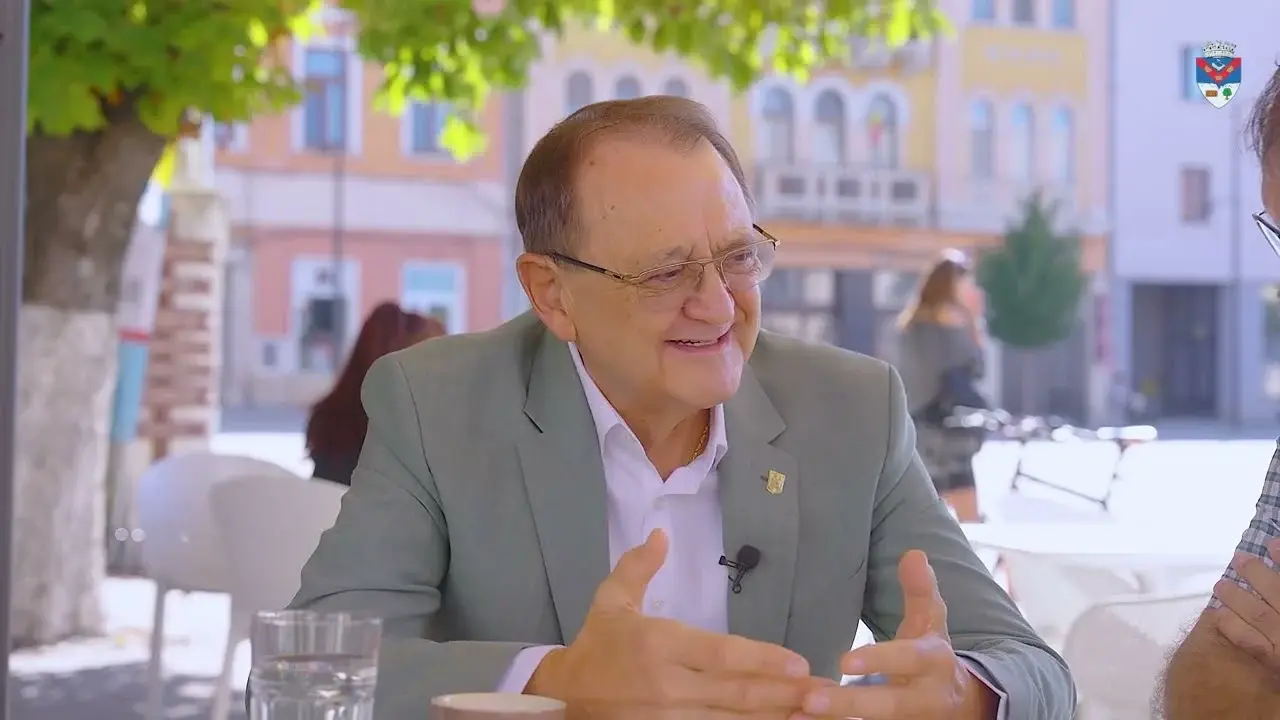
Cristian Matei, the mayor of Turda, laid out the tally in a recent interview with Gazeta de Cluj. The figures are hard to argue with. Over 450 million euros drawn down between 2016 and 2026. An average of more than 10,000 euros per resident — nearly ten times the national urban mean. Oradea, held up as the national model, tops out at 4,500–5,500 euros. Cluj-Napoca, with its vast budget, does not clear 3,500. Florești, though it has 20,000 more residents than Turda, pulled in 33 million lei through the fund, MuTRA aside — and MuTRA is a national exception, not a local rule.
Turda could not have covered such investment from its own budget in ten years. And it did not do it by luck. Until 2016, under Tudor Ștefănie, the town was the textbook sleepy province: apart from the fiasco of the zoo and the pre-election patch-ups, nothing. The pre-accession money that flowed after 2007 passed it by. The turn came when an administration made drawing down funds an explicit priority, with dedicated teams and outside consultants. That is the difference from dozens of towns just as large and just as poor. So give Caesar his due.
But the number that sounds so good hides a trap, and it is honest to say so.
Part of the record is arithmetic, not merit. The "scale effect" is simple: a fleet of electric buses or a new water-and-sewer network costs tens of millions whether the town holds 40,000 people or 150,000. Divide a large sum by a small population and you get a leader. Turda accessed projects sized for a big municipality and measured them against 43,000 people — hence the leap over Cluj or Bucharest on this one indicator. It is mathematically correct. It does not mean daily life in Turda has overtaken life in Cluj.
Here is the real story, and it is one of a gap. European money can insulate a hospital, buy buses, retrofit a city hall. It cannot dictate the labor market. Turda today has public infrastructure well above the national average and a private economy left behind: few high-value firms, wages below Cluj's, young people who commute or leave for good. The place has modernized; the community and the incomes have stayed, in their dynamics, a provincial town. On paper, a green, digitized "metropolis." In the wallet, another matter.
The property market never lies. A flat in Turda runs around 1,000 euros per square meter. One in Florești — a commune with no renovated municipal hospital, choking traffic and no large parks — clears 1,600. Nearly 60 percent more, in a place with visibly poorer public infrastructure. The reason is brutally simple: Florești is welded to Cluj's jobs, and Turda, 30 kilometers out with no fast metropolitan rail, is not. People pay for the salary, not the new asphalt.
Which is the logic behind the administration's next bet. The aquapark — an investment of more than 32 million euros lined up for regional funding — is not a vanity project but an attempt to break exactly this anomaly. The salt mine draws hundreds of thousands of tourists, but in transit: down for two hours, a fridge magnet, back to Cluj. A year-round aquapark keeps them overnight, forces private hotels and restaurants to appear, and — for the first time — could reverse the flow from the metropolis toward the satellite town. If it works, it is the spark that unlocks the local economy. If it does not, it is one more handsome object in a town that exports its young.
So why doesn't all this performance convert into political capital? The answer is not hard. Cristian Matei believes that if you do the work, the work speaks for itself. I don't think it's enough. A mayor who moves 450 million euros into a town and cannot communicate it has a problem — of communication, not of results. He lacks the party core that understands presence in the public square and closeness to the citizen are not cosmetics but a craft. He doesn't perform. And into the empty space he leaves step the nitpickers, the ones forever pressing on the electorate's sore points: if you build, why did you build it; if you don't, why haven't you. False proximity politics beats quiet work, unfortunately.
A serious critic would add that the "scale effect" inflates the whole ranking, that dividing large sums by small populations manufactures paper leaders. True. But it does not cancel the raw fact: the money did not arrive on its own. Other towns, just as large and just as entitled, did not bring it. Turda did.
So, for now, give Caesar his due. His formula is simple and hard to copy: vision, a team, persistence, and an unforgiving arithmetic that, this time, worked in Turda's favor. While the nitpickers talk, the town visibly changes. One question stays open — whether that change will ever reach people's wages, and not only the asphalt beneath their feet.
Comentarii
Fii primul care comentează.