Romania's cabinet negotiations descend into bazaar-style bargaining and bribery
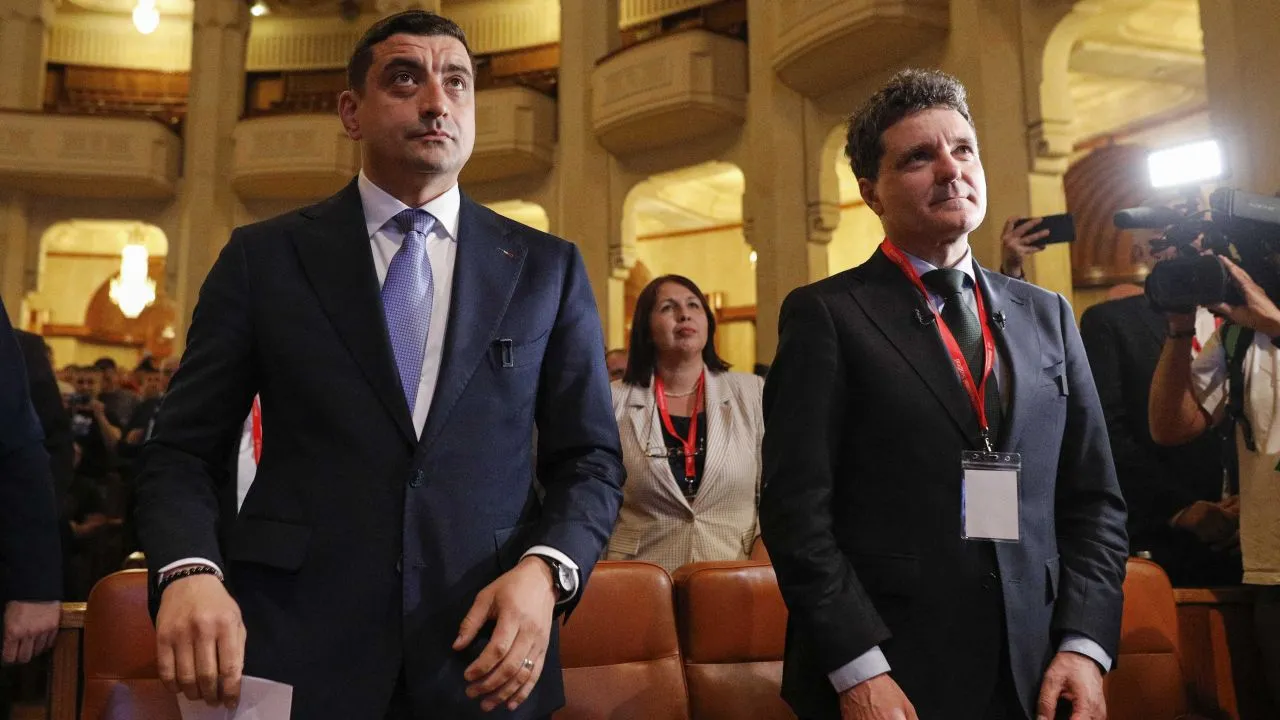
Romania's current cabinet negotiations are characterized by chaotic bargaining, rumors of bribery, and public spectacle. Key political figures, including Nicușor Dan, Marian Neacșu, and Sorin Grindeanu, are depicted as traders in a marketplace, offering public funds and government positions to secure support. The process has drawn criticism for its lack of transparency and theatrical nature.
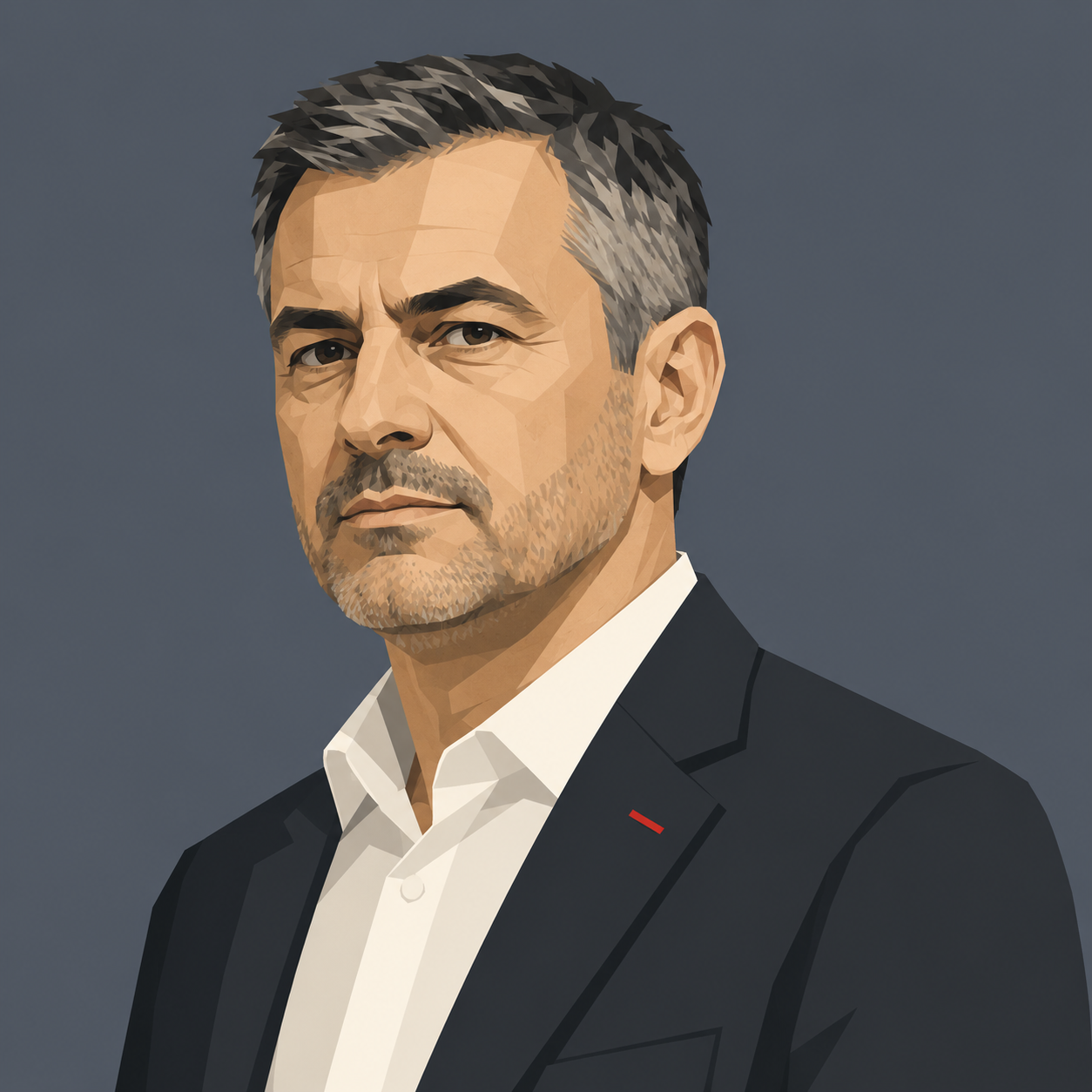
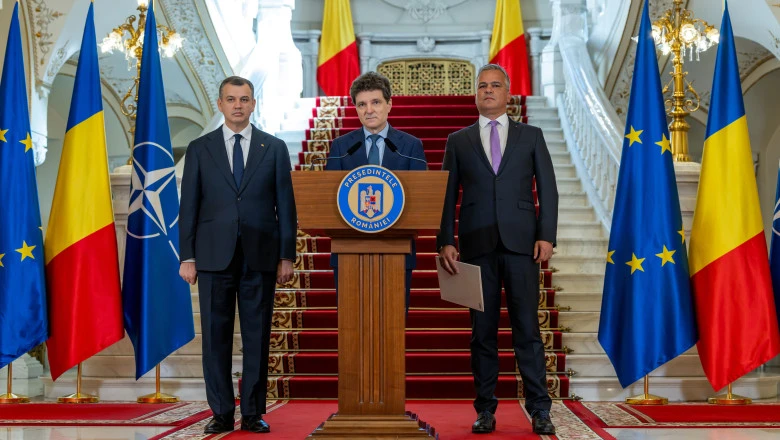
Romania is privileged indeed. Where else could one observe the rare convergence of international olympiad brilliance and the raw, brownian energy of a bazaar? The nation's president, so often praised for his intellect, now presides over a negotiation process that could, with minor adjustments, double as an animated comedy. The actors: Nicușor Dan, Marian Neacșu of PSD, Sorin Grindeanu, and a parade of ambitious parliamentarians whose fealty is available at an ever-fluctuating rate.
Rumor has it that the negotiations to prop up the Veștea cabinet have elevated the ancient arts of bribery and blackmail to the status of public ritual. Public funds are offered with the spontaneity and showmanship of a trader hawking watermelons. Positions in government are dangled as if they were keychains at a tourist stall. One can almost hear the patter: "Fresh ministries! Only slightly used!"
The main chef d'orchestre, Neacșu, is not conducting alone. Grindeanu, the president's trusted backstage advisor, hovers in the wings with the air of a man who has memorized his lines and those of everyone else. After the required visit to the POT, the Parliament's official tea room, presided over by the ever-fascinating Gavrilă, negotiators move to their next mark. Gavrilă, whose ambition for the Foreign Ministry has been described in the press as "aspirational at best," is now the subject of tragicomic speculation. The vision of Gavrilă at the Foreign Ministry, laboriously "umming" through an international press conference, offers a certain bleak comfort for those who thought the bar could not go lower.
Not content to limit their courtship to the more conventional partners, the negotiators have apparently sidled up to AUR, the self-identified extremists who, until last week, were persona non grata in the president's official poetry readings. The transformation is complete: where once the refrain was "No AUR!" now it is "Anyone with a pulse!" Principles, like the best cheeses, are reserved for special occasions.
The parliamentary dance floor, meanwhile, is littered with the usual suspects. UDMR, PNL, and USR have all publicly declared that their votes will not be found in support of the Veștea cabinet. This leaves the negotiators to assemble their majority from what is politely referred to as "strânsură", a term more commonly used for hastily gathered firewood than for legislative coalitions.
The liberal conspirators (Gorghiu, Thuma, Pauliuc) have provided their own contribution to the farce. Taking the stage, they have trained the newly designated "useful idiot" premier to announce, with all the conviction money can buy, that 40 to 50 votes from PNL are safely in the bag. If such numbers were real, one wonders, would the negotiation team really be seen, hat in hand, in the office of Victor Ponta?
The answer, according to party sources, is negative. The truth, such as it is, emerges: the negotiators begin with the sweetener, but quickly move to threats and blackmail when the initial offer proves insufficient. The president's name is invoked with the solemnity of a talisman, as if simply speaking it could conjure a majority from thin air.
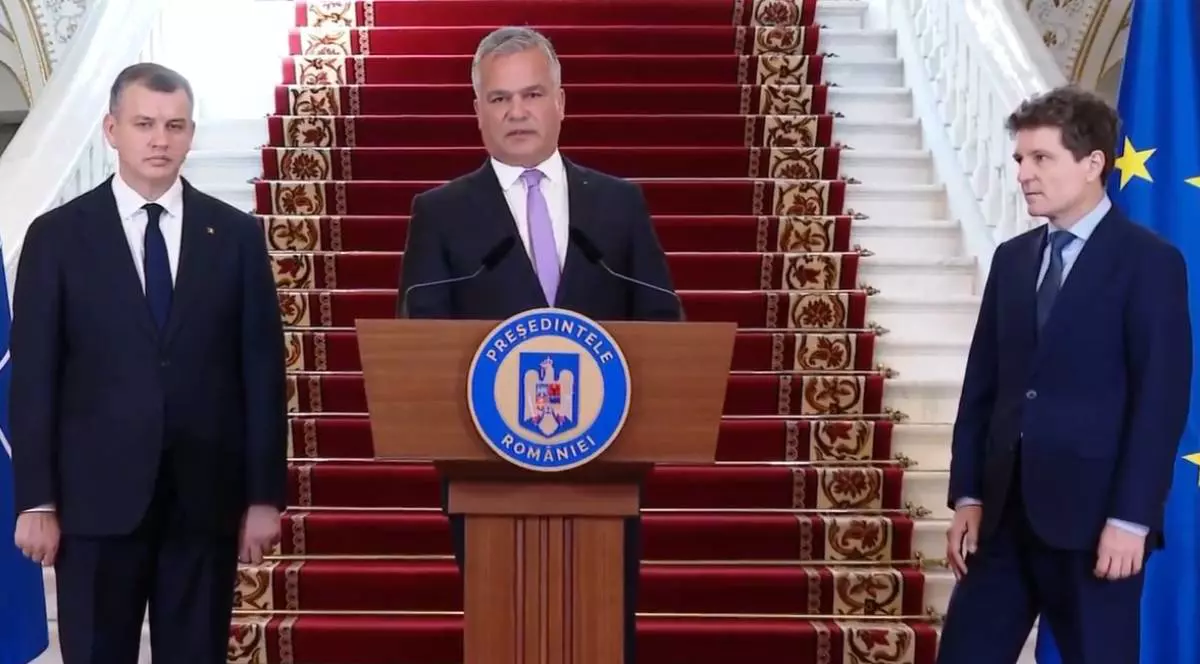
For those still keeping score, certain PNL members (Ilie Bolojan, Ciucu, Motreanu, Leureanu) are said to be on the verge of expulsion. The "putschists" boast that the party is theirs already. Their confidence is fortified, allegedly, by the invisible hand of the president's secret services. If only clandestine operations came with a user manual, perhaps the negotiations would go more smoothly.
The spectacle is, in a word, grotesque. Negotiators dash about, their movements as unpredictable as molecules in a beaker, and the only clear outcome is a deepening sense of farce. The process, though energetic, yields nothing but the impression of chaos. The brownian motion of the "negotiators" is best viewed as a public performance, an exercise in futility masquerading as statecraft.
The so-called international olympian president is left looking like a character from a cartoon. The accolades for his academic distinction now ring hollow, drowned out by the sound of squabbling deputies and the jingle of coins promised but not yet delivered. The gravity of the situation is lost amid the slapstick.
What is the practical result of this circus? The average citizen stands to lose the most. Billions of euros, European funds allocated for highways, hospitals, railways, and other infrastructure, now slip away, not with a bang but with the whimper of missed deadlines and failed votes. The same billions once cited by the treasurers now remain theoretical, as abstract as the principles so recently discarded.
Responsibility, like blame, is distributed with generous imprecision. The script calls for Grindeanu and Simion to take a bow, but the leading role belongs to Nicușor Dan. In this drama, the president's name is both shield and cudgel, waved before recalcitrant members and whispered in the corridors of power. The ensemble cast changes, but the refrain is the same: the public picks up the bill.
For those inclined toward optimism, there remains one faint hope. If the negotiations are to continue in the present style, it is only fair that the process be televised, with points awarded for creativity in bribery and originality in blackmail. Perhaps the Romanian public, having paid for the show, could at least judge the competition.
A modest proposal: let each negotiator receive a medal for services to the grotesque. The president, of course, would get gold, if only for his enduring commitment to the art of animated governance.
Comentarii
Fii primul care comentează.
Deepening Rift in Bucharest: Liberal Leader Blasts President’s PM Nomination as a ‘Hostile Act’ Aimed at Fracturing the Party for the PSD’s Benefit
Former Arad Deputy Mayor Ordered to Return €120,000 for EU Fund Misuse
Romanian government approves minimum wage increase