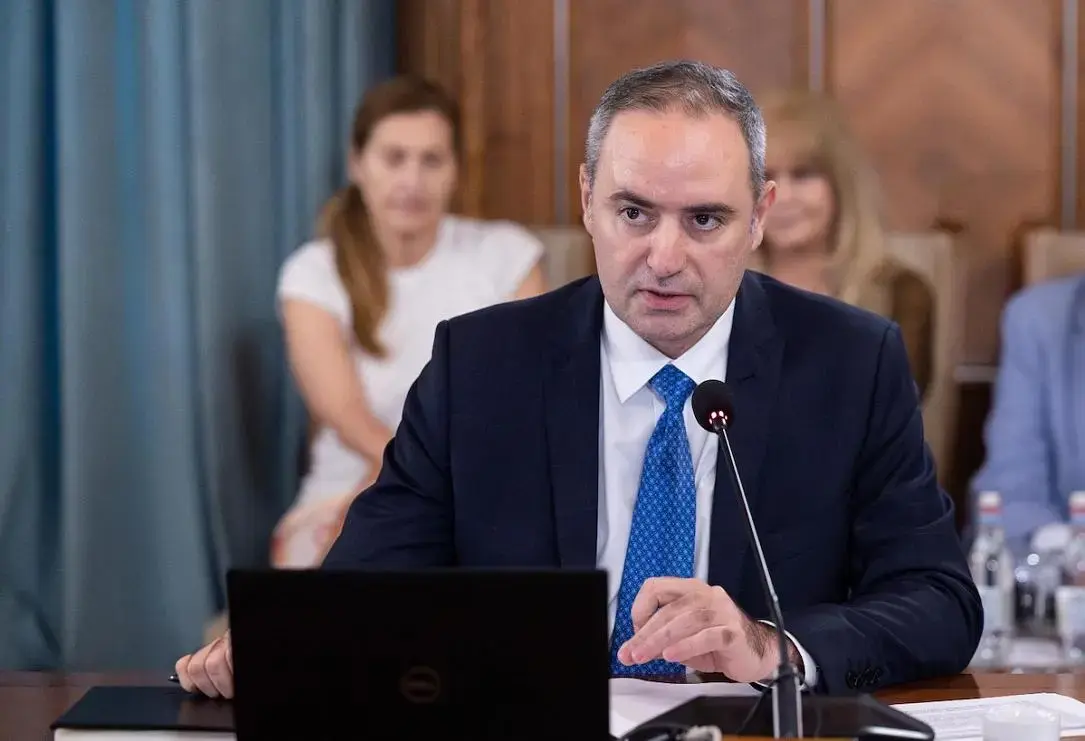
Bolojan Blames PSD for Stalled Salary Law as Deadline Looms
Ilie Bolojan warns of dwindling chances to pass the new salary law by August 31. He accuses PSD of blocking progress. Ministries have yet to agree on salary grids. Failure to pass the law could lead to financial instability. Bolojan rejects tax hikes, suggesting expense cuts instead.

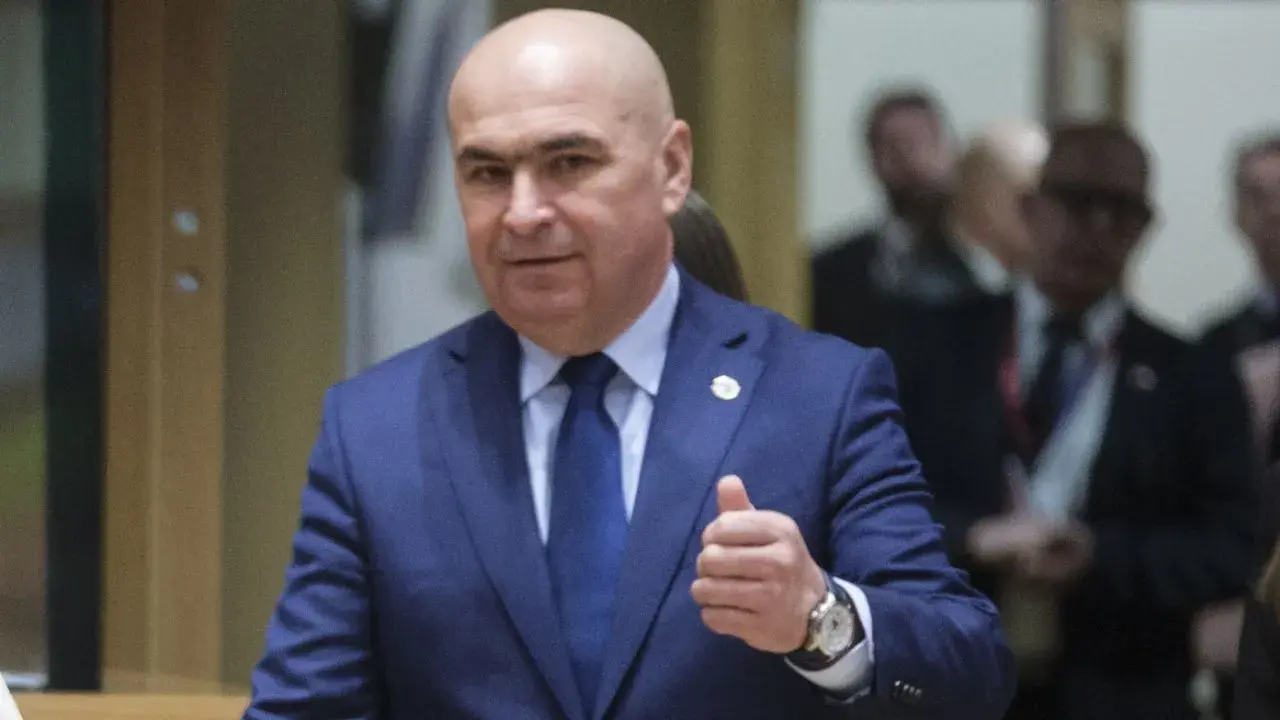
Ilie Bolojan, in a statement on Digi24 on Tuesday evening, expressed concern over the decreasing likelihood of adopting a new salary law by the deadline of August 31. He attributed the delay to the Social Democratic Party's (PSD) reluctance to support the project. According to Bolojan, "The more hours pass, the lower the probability of having the project approved by Monday."
The Tuesday discussions at Cotroceni Palace concluded without reaching an agreement, and negotiations among the involved ministries are set to continue on Wednesday. Bolojan emphasized the potential consequences if the law is not passed, including difficulties in 2027 and 2028, with future governments possibly facing uncontrolled salary expenditures.
He highlighted the gap between governmental promises and the budget's actual capacity, pointing to the 2023 education strike, where promises demanded 8 billion RON for education, out of a total salary envelope of 11 billion RON. These promises remain largely unfulfilled, and sending an unagreed project to Parliament could result in costly amendments, potentially escalating the budgetary impact to between 16 and 20 billion RON. Such a scenario could push Romania into a financial "dead end."
Negotiations with the European Commission have been ongoing to find a solution that aligns with the economy's real capacity. Should Romania fail to meet its commitments, it risks losing financial credibility and facing challenges in deficit reduction. Bolojan warned of the possibility of a downgrade to a "junk" investment category, emphasizing that the deficit reduction is important to prevent future governments from becoming "interest payment agencies."
Rejecting the idea of new tax increases to fund public spending, Bolojan suggested reducing expenses instead. He noted that local administration expenses had already been cut by 10% and stressed that the private sector should not be further burdened. Additionally, he proposed analyzing an increase in the retirement age and maintaining the health contribution for pensions over 3000 lei within the health system.
Bolojan also plans to discuss student social scholarships with the minister, indicating that the current system will likely remain unchanged. As negotiations for the salary law continue on Wednesday, the urgency to meet the August 31 deadline remains high.
Comentarii
Fii primul care comentează.