How market forces, not policy, are eroding Europe's cash infrastructure
Despite no official policy to eliminate cash, Europe's cash infrastructure is eroding due to market trends and technological adoption. Retailers and banks are making cash access harder, while tech companies promote digital payments. Political consensus still supports cash, but practical realities are shifting society toward cashless transactions.

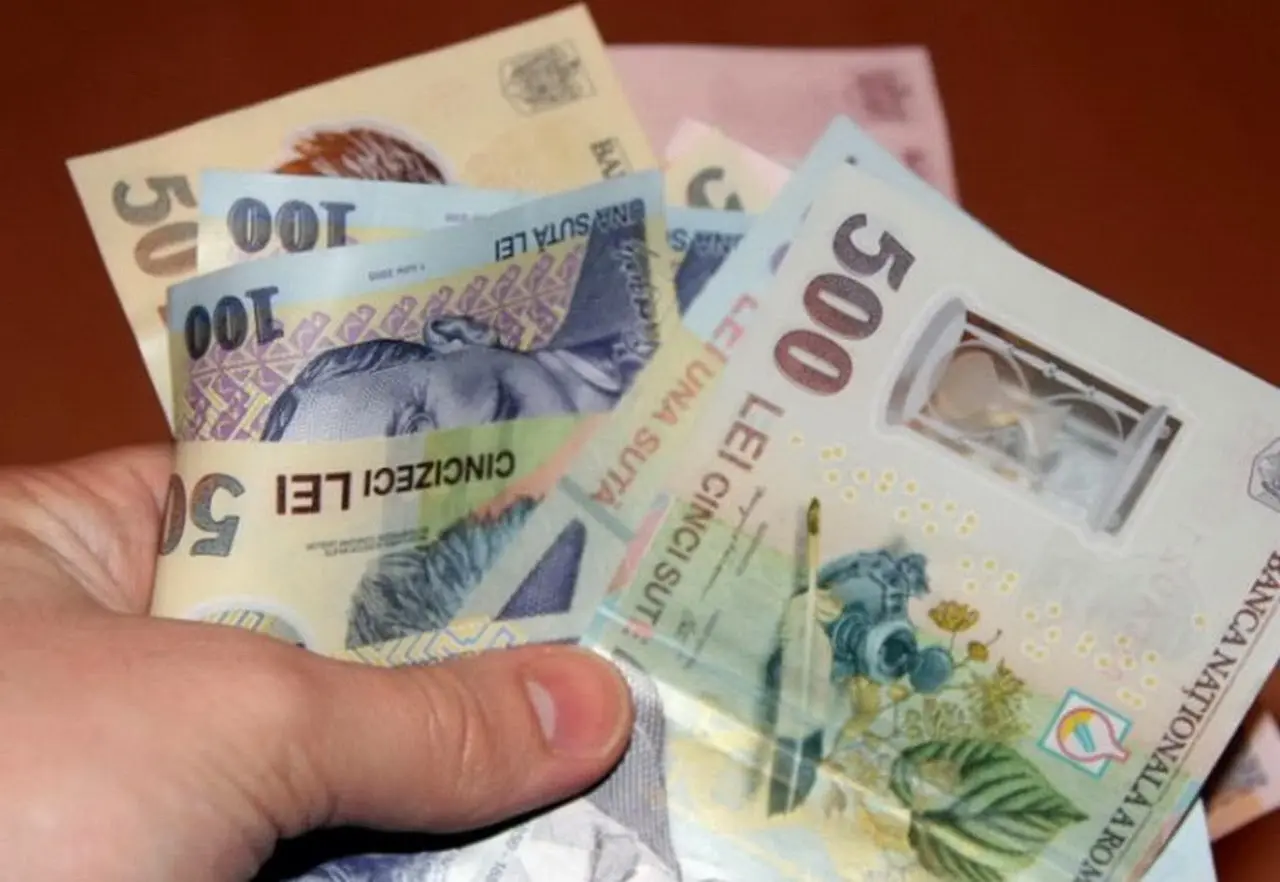
Cash is not being abolished in Europe. No central bank directive orders its removal. Not a single major political party in Germany or Brussels calls for ending physical currency. Yet the number of cash transactions is falling, ATMs are vanishing, and US technology companies are tightening their grip on how Europeans pay. The public debate, clouded by conspiracy theories and opportunists, misses the real danger: a society without cash is a society that can be held to ransom.
For the first time in 2025, Germans paid more often by card or phone than with coins and notes, according to Jorim Gerrard of the NGO Finanzwende. Gerrard told BR24 that the decline in cash use is not a matter of policy but of practice. This is not a German anomaly. Across the eurozone, retailers and banks are making it harder to access physical money. Branch closures and ATM removals are accelerating. Some shops now refuse cash outright. Meanwhile, companies like PayPal run aggressive campaigns to discourage cash payments, with advertising budgets that dwarf any public effort to preserve coins and notes.
None of this is orchestrated from Brussels. The European Central Bank is introducing a new euro banknote series. According to Matthias Callen of the Bundesbank, there is cross-party consensus in Germany to keep cash. No election manifesto proposes its abolition. The ECB's latest proposal would even obligate retailers to accept cash, a direct response to concerns about exclusion and coercion. Gerrard puts it plainly: a central bank that ditches cash would be like a baker who stops baking bread.
Yet the anxiety persists. Some of it is stoked by far-right parties and dubious YouTube channels, who spin tales of elite plots to control the population through digital money. These claims are false. They feed on a genuine sense of loss. As cash recedes, so does a set of freedoms and safeguards that digital payments cannot replicate.
The economic case against cash is well rehearsed. Printing, minting, storing, and moving physical currency costs roughly €20 billion a year across the eurozone, or about 0.45 percent of GDP. Tax evasion and money laundering, enabled by untraceable cash, are estimated to cost another €16 billion annually. These figures appear in every finance ministry slide deck, every time a new round of ATM closures is justified.
Julia Pitters, a business psychologist at IU International University, warns that this arithmetic is one-sided. Cash is not just a cost. It is a tool of inclusion and privacy. Studies cited by Pitters show that people spend more carefully when they use cash. Children, the unbanked, and those who reject digital technology can participate in commerce only if cash remains accepted. For many, cash is the only shield against surveillance. Pitters told BR24 that over 500 companies profit from payment data when a customer uses a single provider like PayPal. In her words, the data is not as well protected by any other payment method as it is with cash.
Digital payments have their own price tag. Every card transaction incurs a fee, ranging from 0.2 percent for the German Girocard to 2.5 percent for credit cards. Retailers pay these charges. Ultimately, consumers foot the bill. Without the competitive pressure of cash, economists warn, these fees would only climb. Higher prices, less choice.
The real risk is not economic but strategic. European digital payments rely almost entirely on US giants: Visa, Mastercard, PayPal. Gerrard is explicit about the consequences. If a future US president ordered these firms to cut off Europe, the cash registers would effectively stop working. That is no idle speculation. In 2023, US tech firms, acting on instructions from the Trump administration, barred a French judge from using their services. The vulnerability is built into the system.
Sweden, once the poster child for a cashless society, has already reversed course. After years of digital enthusiasm, Stockholm now requires merchants to accept cash. The trigger was not ideology but pragmatism. In April 2025, a widespread power outage struck Spain and Portugal. Only those with cash could buy food and essentials. For Pitters, this was a preview of a future in which digital-only payments mean exclusion at the worst possible moment.
The EU's answer is the Digital Euro, slated for 2029. This project is designed as a state-backed alternative to private US payment networks. Christine Lagarde, president of the ECB, has insisted that the Digital Euro will complement, not replace, cash. The intent is to ensure that no foreign government or corporation can unilaterally cut off Europeans from their own money.
Gerrard summarizes the dilemma. Whoever controls these payment systems can exert political pressure. That is why we need a public alternative. The disappearance of cash is not an act of policy but a consequence of convenience. The risk is that, as usage drops, control shifts from the public to the private sphere, with consequences that are not reversible.
None of this is to deny the legitimate arguments for digital payments. They are faster, simpler, and for many, more secure. The pandemic accelerated trends that were already underway. Digital wallets are convenient for those with smartphones and stable internet. The cost of maintaining cash infrastructure falls disproportionately on rural areas and small banks. These are real burdens.
Yet the strongest argument for cash is not nostalgia but resilience. When the power grid fails, when international politics sour, or when a tech company changes its terms of service overnight, only cash guarantees access to commerce. The Spanish and Portuguese blackout was not hypothetical. It happened. The same logic applies to privacy. When every transaction can be traced, profiled, and sold, the citizen becomes a product, not a client.
There is also a democratic dimension. Cash transactions are not subject to real-time monitoring or algorithmic scoring. They are not denied by a software glitch or a foreign sanction. For those who distrust government, cash is a check on state power. For those who distrust corporations, it is a check on monopoly. Both sides, for once, have a point.
The strongest counter-argument is that the world is moving on. Digital payments are the norm for young people. Social welfare, payroll, and government aid are increasingly distributed electronically. To insist on cash, some say, is to cling to a past that cannot return. This view has merit. But the Swedish example shows that societies can change course when the risks become visible.
The question is not whether cash will disappear overnight. It will not. The ECB, Bundesbank, and the major parties are united on this. The new EU regulation to require retailers to accept cash is a direct response to public concern. Yet the trend is unmistakable. The less cash circulates, the easier it becomes for businesses and banks to argue that the infrastructure is not worth maintaining. The spiral is self-reinforcing.
The ultimate cost is not just financial. It is the loss of autonomy. A Europe where every transaction depends on the goodwill of foreign companies is a Europe that has surrendered a piece of its sovereignty. The lesson from Sweden, and from the Iberian blackout, is clear. Cash is not just a means of payment. It is an insurance policy against the day when the digital world fails, or is turned off.
The slow disappearance of cash is not a technical issue but a political one, and the price will be paid by those least able to afford it.
Comentarii
Fii primul care comentează.
ANCPI hacker claims financial motive, apologizes for disruption as systems remain offline
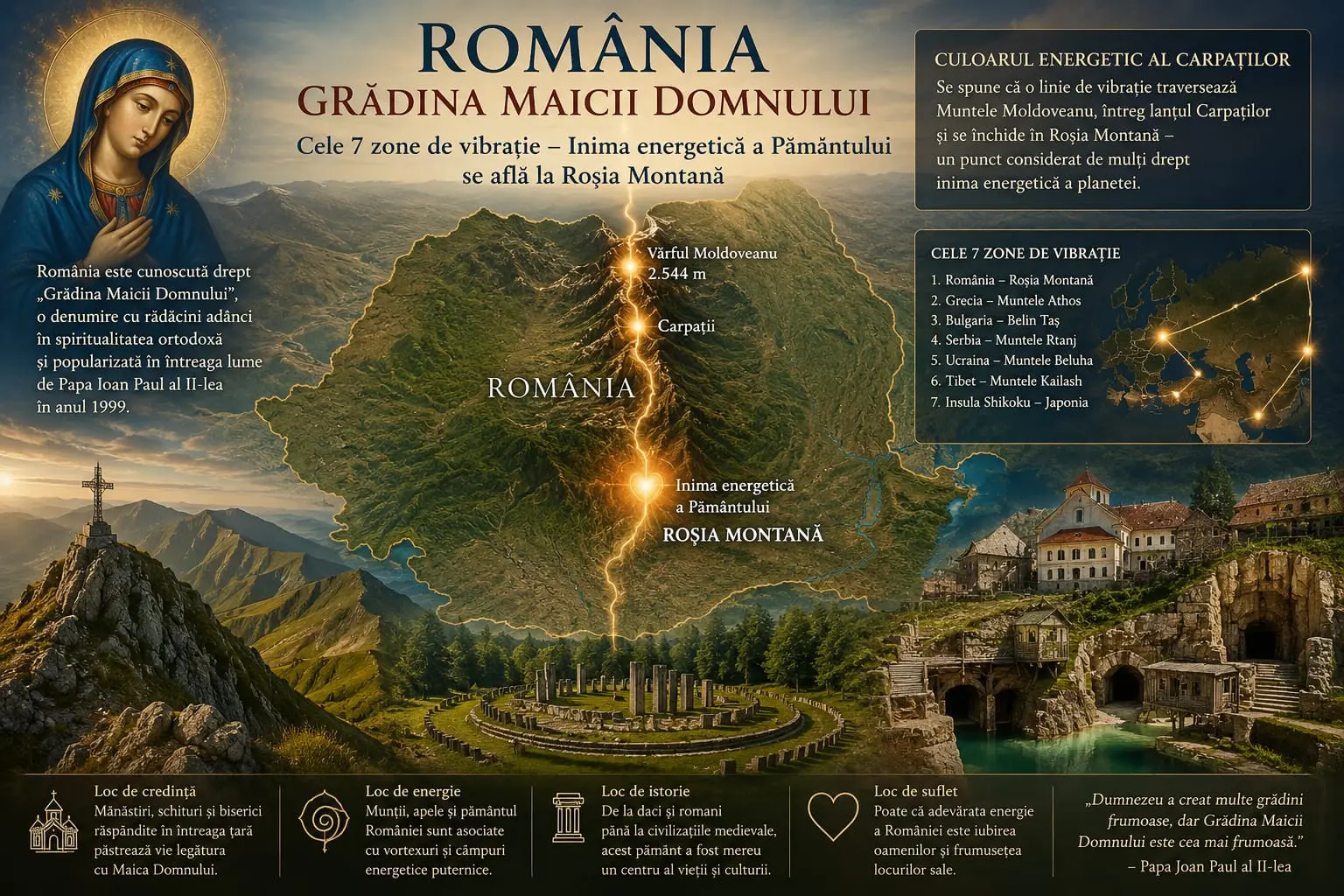
Romania – The Garden of the Mother of God and the Mystery of Places of Great Energy
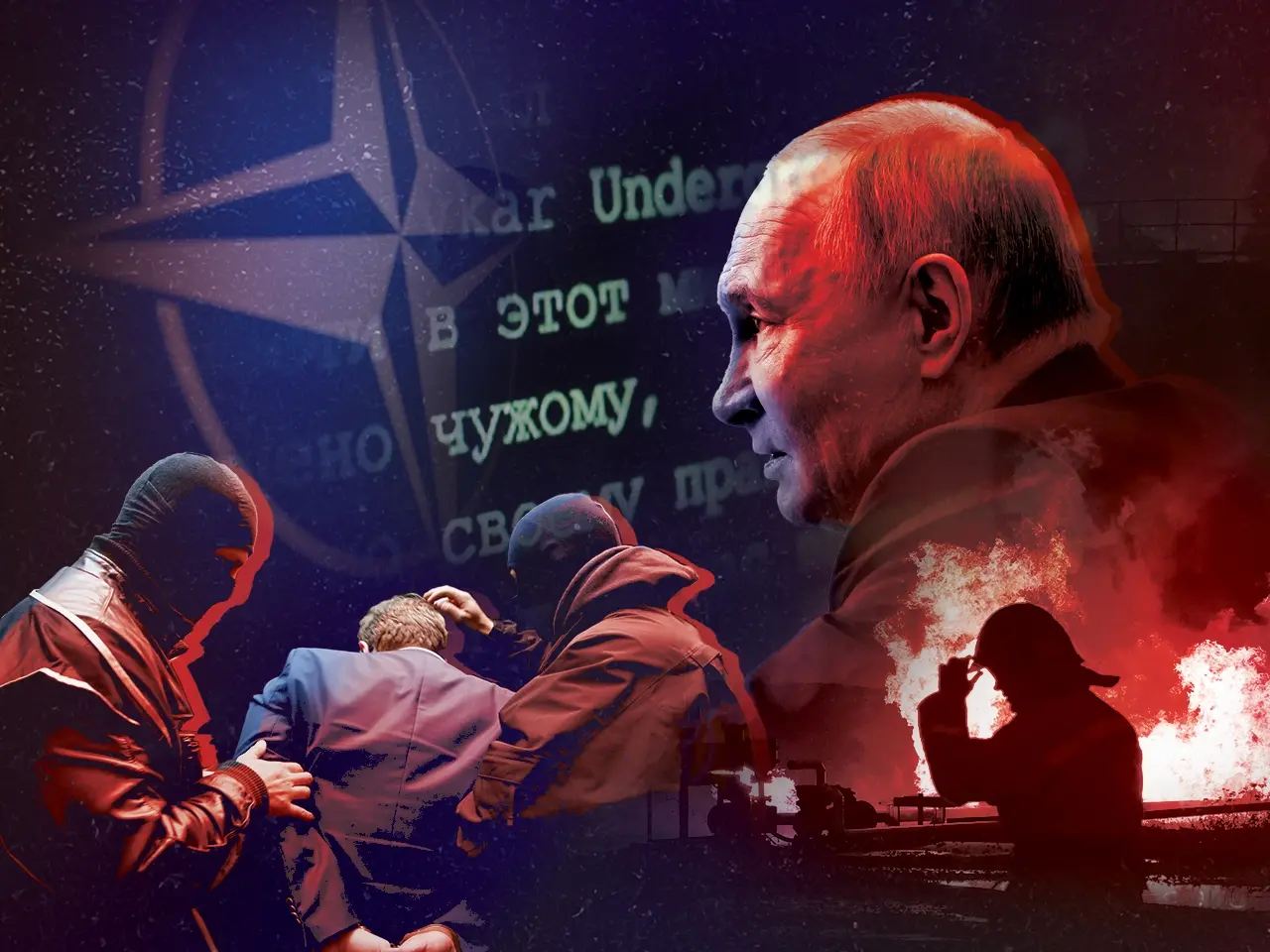
Can Europe deter Russia's shadow war with Cold War tools