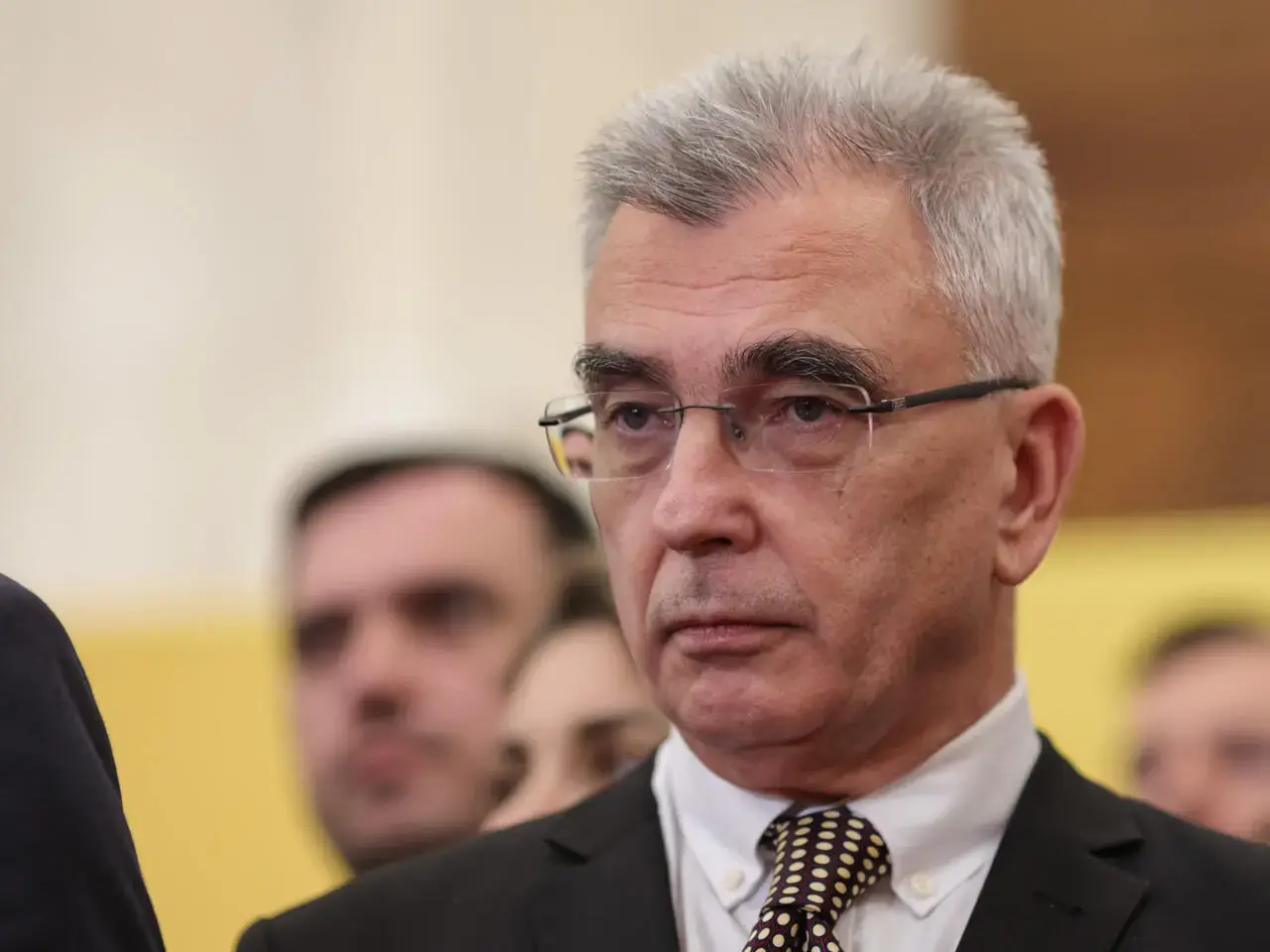
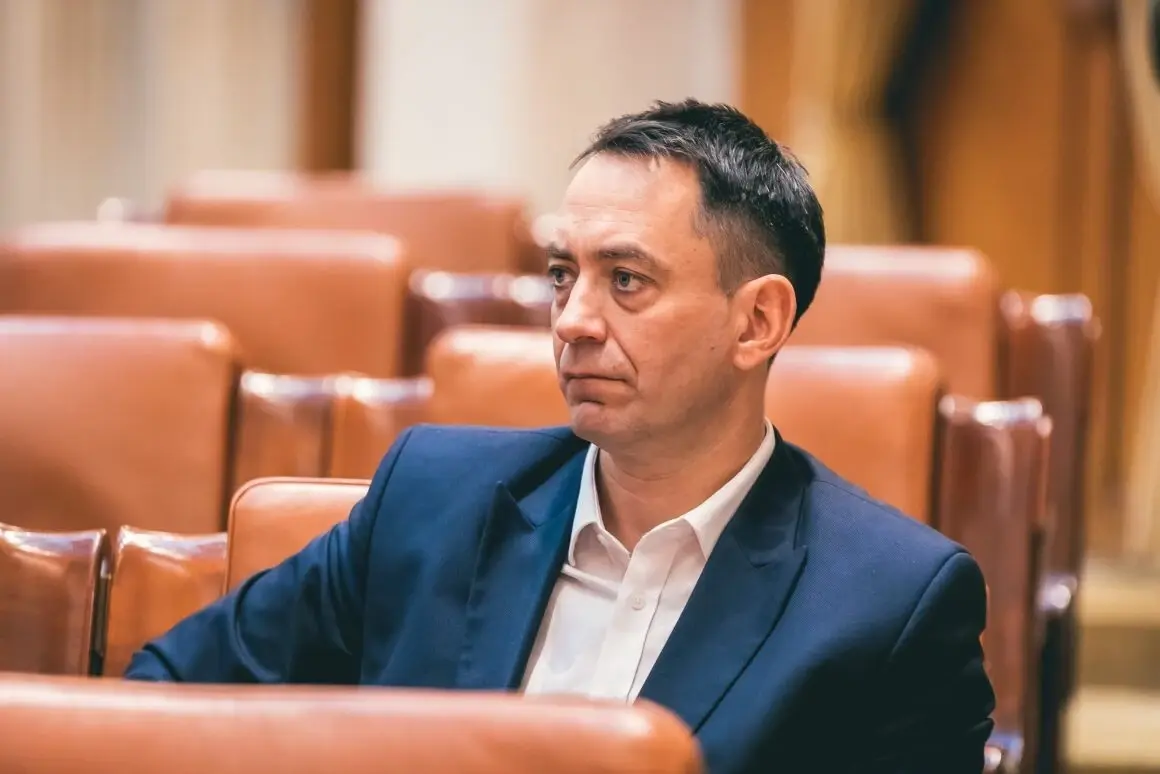
PNL congress orders five senior figures to resign by Monday
At an extraordinary congress, Romania's National Liberal Party demanded the resignation of five prominent members, including Rareș Bogdan and Lucian Bode, for violating party decisions. The congress set a Monday deadline, warning that failure to comply would result in formal exclusion proceedings. The move highlights internal rifts within Romania's largest center-right party.

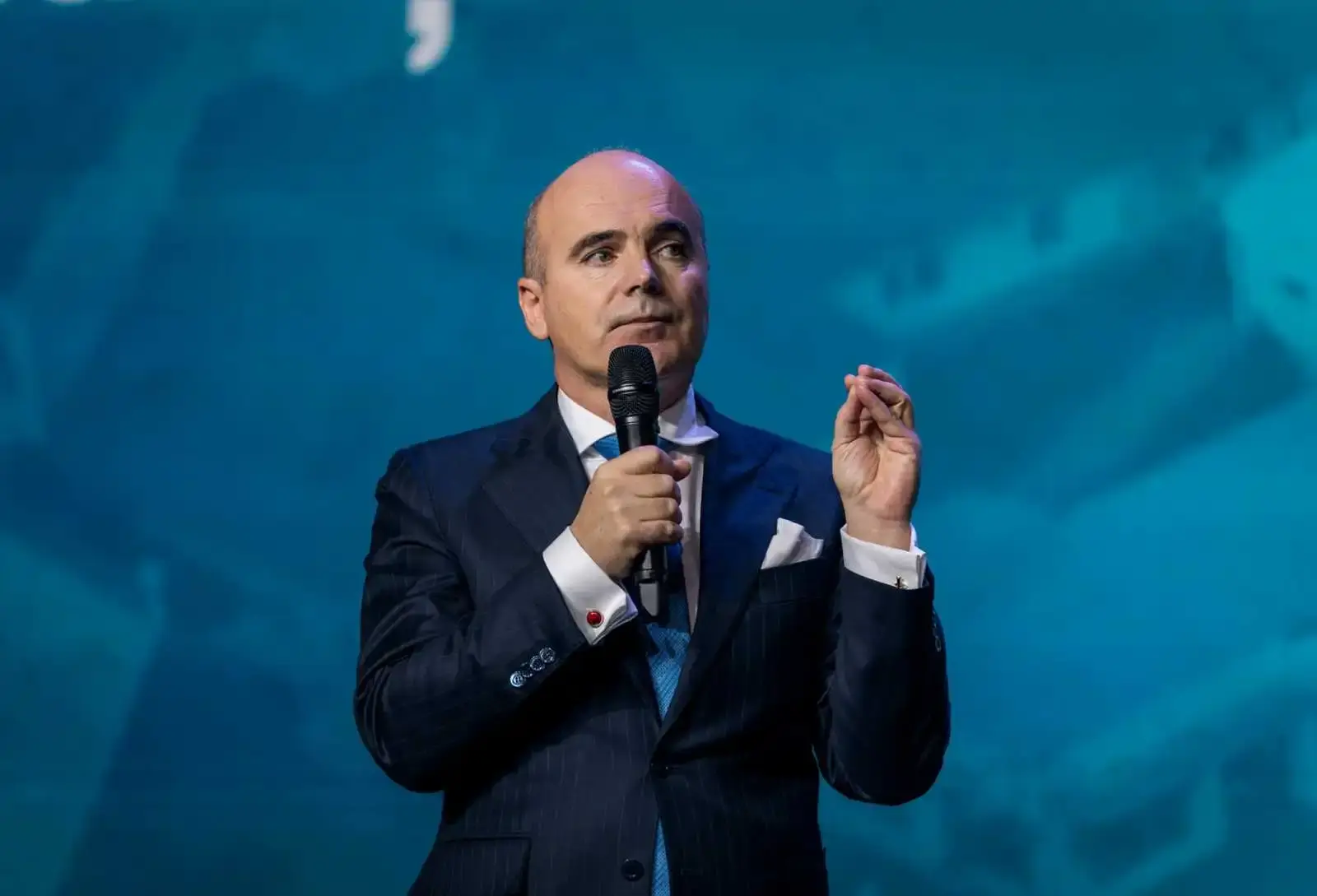
Romania's National Liberal Party voted at an extraordinary congress to demand the immediate resignation of five prominent members, Rareș Bogdan, Lucian Bode, Hubert Thuma, Alina Gorghiu, and Adrian Veștea, citing repeated violations of party decisions, according to Robert Sighiartău, who presented the motion. The congress set a Monday noon deadline for the five to submit resignations, warning that failure would trigger formal exclusion procedures.
The decision, unanimous among delegates, reflects deepening rifts over the direction of Romania's largest center-right party. In a session marked by pointed accusations, the congress authorized the National Political Bureau to begin exclusion proceedings if resignations are not received by the specified time.
Sighiartău told the congress the five "repeatedly violated the obligations to defend the political interests of the PNL, participating in actions and initiatives contrary to the party's interests." He added that "the congress notes Lucian Bode's responsibility for the grave financial situation in which the PNL found itself at the end of his mandate as general secretary." Delegates responded with applause.
The five are among the PNL's most recognizable figures. Bogdan, a member of the European Parliament, has often led the party's public messaging. Bode previously served as general secretary, a role that placed him at the center of party administration and finances. Thuma, Gorghiu, and Veștea have played critical roles in regional and national structures.
The resolution charges the five with undermining party unity at a time when the PNL faces mounting pressures. Sighiartău said the party could not tolerate "actions and initiatives contrary to the party's interests" and that repeated breaches required a decisive response. By invoking specific statutory provisions, the leadership sought to frame the move as procedural rigor rather than political vendetta.
"If they do not submit their resignations by tomorrow at 12:00, the congress mandates the National Political Bureau of the PNL to initiate the procedures for exclusion, in accordance with the statutory provisions of the PNL," Sighiartău announced. The explicit reference to statutory procedure signals the leadership's intent to avoid legal or procedural challenges that could exacerbate factional tensions.
Recent months have seen public criticism from within the party. Some senior members accuse the current leadership of abandoning traditional liberal-conservative values in favor of alliances that dilute the party's identity. In the run-up to the congress, both Bogdan and Thuma voiced public opposition to the direction taken by party president Ilie Bolojan and his supporters.
The congress's move represents a clear effort to reassert control and present a unified front ahead of upcoming political challenges. The PNL's leadership has faced criticism for what some see as a drift toward positions associated with rival parties, particularly USR, and for promoting figures from outside the party's traditional core into leadership roles. The debate has exposed a fault line between those advocating modernization and those insisting on continuity with the party's historical identity.
Bogdan has been vocal in his criticism. He has argued that the party risks losing its liberal-conservative identity and becoming "the servant of USR." His public statements have included pointed references to the inclusion of figures such as Dragoș Pîslaru in party leadership, whom he characterized as lacking longstanding ties to the PNL. Thuma echoed the same concerns, accusing the leadership of sidelining veteran party members in favor of recent arrivals.

The affected members have not publicly indicated whether they intend to comply with the demand or contest the decision. The party's statutes provide for exclusion in cases of repeated violations of party discipline, though such measures are rare and often lead to protracted disputes. Should the five fail to resign by Monday, the National Political Bureau would be tasked with initiating the formal exclusion process.
The leadership's strategy is clear: to assert the authority of the congress and the party's statutory organs, and to send a message that breaches of discipline will not be tolerated. The explicit linkage of Bode's name to the party's financial difficulties adds a further layer of accountability, as the congress seeks to address not only ideological but also managerial grievances.
The party's traditional base of local leaders, including county and municipal officials, has expressed concern about the inclusion of newcomers in key leadership positions. Thuma argued that "the work of tens of thousands of local elected officials who kept the party alive in the territory is being devalued" by recent appointments.
The leadership has emphasized the need for modernization and renewal, while insisting that party discipline and loyalty remain non-negotiable. The congress's decision to mandate resignations or exclusions is the most forceful assertion of this stance to date. By acting collectively and with unanimity, the congress sought to preempt accusations of factionalism or arbitrary leadership.
The consequences extend beyond the five targeted members. The episode has exposed the fragility of party unity and the challenges of balancing modernization with continuity. For Bolojan and his allies, the outcome is a test of their ability to enforce discipline and manage dissent. For the broader membership, the episode signals the leadership's willingness to take drastic measures to preserve the party's direction.
The statutory provisions invoked by the congress require that any exclusion be conducted in accordance with formal procedures, including the right to a hearing and the possibility of appeal. Such procedures can be lengthy and contentious, particularly when high-profile members are involved. The leadership's hope, as reflected in Sighiartău's remarks, is that the threat of exclusion will be sufficient to secure voluntary resignations and avoid a drawn-out conflict.
The five members have played key roles in shaping the party's recent history. Bogdan's prominence in European politics, Bode's tenure as general secretary, and the regional influence of Thuma, Gorghiu, and Veștea mean that their departure, voluntary or forced, would alter the party's composition. The episode also prompts questions about the future trajectory of the PNL and its capacity to accommodate internal pluralism.
The congress's decision reflects a broader trend in Romanian politics, where party discipline is increasingly enforced through formal mechanisms and public dissent is met with organizational sanctions. The PNL's move to demand resignations and threaten exclusions is consistent with this pattern, though the scale and profile of those targeted make the case unusual.
The next steps will depend on the response of the five members and the willingness of the party's leadership to follow through on its ultimatum. The statutory process for exclusion, while clear in outline, is rarely invoked at this level and carries risks of legal and reputational fallout.
The same €2.3 million gap mentioned by Sighiartău in connection with Bode's management remains a point of contention, though official figures have yet to be confirmed by the party's treasurer. The five members now face a clear choice: comply with the Monday deadline or face formal exclusion proceedings initiated by the party's National Political Bureau.
Comentarii
Fii primul care comentează.