Ministry of Energy Refutes Claims of Industrial Disconnection
The Romanian Ministry of Energy denies issuing disconnection notices to industrial consumers. Reports of an 'energy collapse' are dismissed as misinformation. Transelectrica confirms stable energy conditions. Former officials criticized for spreading false claims. National energy consumption remains manageable.


The Romanian Ministry of Energy has firmly denied allegations that industrial consumers have received notices for disconnection or restriction of energy supply. This clarification comes in response to reports suggesting an imminent 'energy collapse.' The Ministry emphasized that such restrictions would only be implemented in critical situations, with affected companies receiving a 24-hour notice.
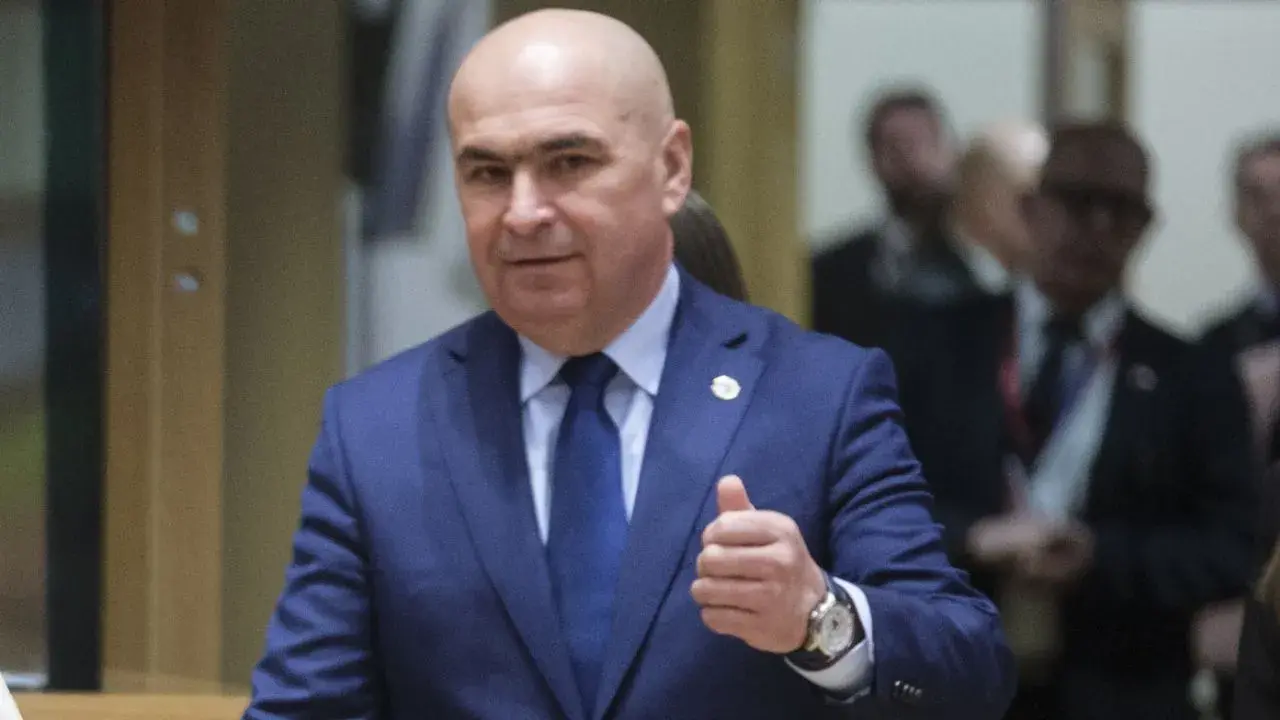
The term 'energy collapse' has been circulated by various publications, including Jurnalul.ro, which published an article on August 4 citing former Energy Minister Bogdan Ivan. Ivan attributed the country's energy challenges to a lack of investments and mentioned price increases of approximately 200 lei per MWh for some companies. His warnings sparked widespread concern.
Stable conditions persist. Transelectrica, the national electricity transmission operator, announced on August 18 that the energy situation remains stable. Despite the temporary unavailability of reactors at the Cernavodă nuclear plant, the company reported that available production capacities are operating efficiently, and imports are within normal parameters. Maximum consumption is estimated to be around 7,400 MW during evening peaks. No significant supply issues are anticipated this week, according to the operator's assessment.
The Romanian government had previously approved an intervention mechanism on August 7, allowing Transelectrica to take gradual measures should other tools fail. The mechanism includes mandatory limitations as a last resort, with the operator required to exhaust all other options first. Any affected industrial consumers would receive a written notice 24 hours in advance.
The Ministry of Energy also addressed misinformation spread by former officials, underscoring that the normative measures do not target household consumers. Necessary services such as hospitals and emergency infrastructure are protected from any potential energy restrictions. Meanwhile, rainfall in Germany, Austria, and Slovakia may increase the Danube's flow, potentially allowing the restart of Cernavodă reactors and boosting hydroelectric production.
Source: www.aktual24.ro
Comentarii
Fii primul care comentează.