KIST builds first metal-free motor with carbon nanotube wire
A team at KIST has created a metal-free electric motor by replacing traditional copper coils with carbon nanotube yarn, marking a significant step toward lightweight motors. Their prototype, called the Core-Sheath Composite Electric Cable (CSCEC), powered a model car, demonstrating the technology's potential despite lower power output compared to copper coils. The innovation addresses material supply concerns in the shift to electrification.

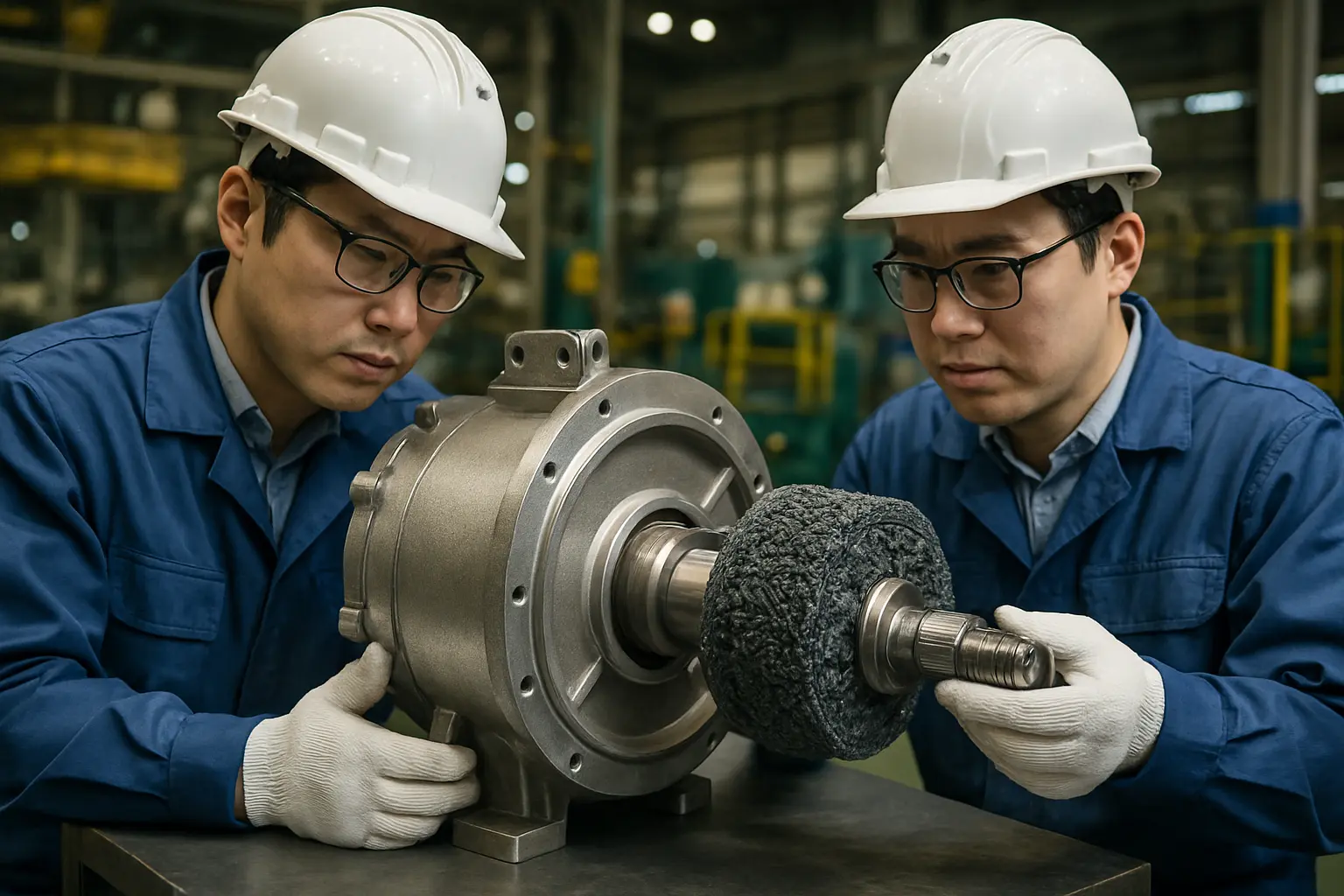
Imagine generată cu inteligență artificială
Researchers at the Korea Institute of Science and Technology have built a working electric motor that contains no metal, replacing traditional copper coils with carbon nanotube yarn, according to a study published August 25, 2026. The laboratory prototype, which the team calls the first credible candidate for mass production, powered a scale model car to 1.5 kilometers per hour on asphalt.
The KIST group's motor addresses a supply concern tied to the global shift toward electrification. Most electric motors today rely on kilometers of copper wire wound into coils that generate the magnetic fields driving movement. The team's prototype substitutes a cable spun from nine carbon nanotubes, wrapped in acrylic film and designated the Core-Sheath Composite Electric Cable, or CSCEC.
"Our results show that carbon nanotube yarns can replace copper in electric motor coils, offering significant weight savings," the KIST team wrote in the published findings.
The CSCEC wire, roughly as thick as a credit card, was wound and assembled in the same configuration as copper coils. The resulting motor functioned as intended but delivered far less power than a conventional design. A model car equipped with copper coils reached approximately four times the speed of the carbon-based version under identical conditions, the researchers reported.
Copper transmits nearly eight times more current than the carbon nanotube yarn. Weight tells a different story. CNT-wire weighs one-fifth as much as copper by volume, a reduction the KIST team identified as the core advantage of the technology.
Lightweight electric motors matter most in applications where every gram counts. Drones, aerospace equipment, and urban air mobility platforms such as air taxis face a central design challenge: the trade-off between weight and performance. According to the KIST study, these sectors are likely to see the first practical deployments of the metal-free motor.
The KIST prototype is not the first electric motor to exclude metal entirely. It is, the researchers said, the first with credible prospects for mass-market use. That optimism rests on recent advances in carbon nanotube processing, specifically a method called the Lyotropic Liquid Crystal-Assisted Surface Texturing process, or LAST.


The LAST process dissolves carbon nanotubes in chlorosulfonic acid, causing them to unbundle and align in a liquid crystalline state. The acid also removes residues left from manufacturing the nanotubes, improving consistency and purity. The result is yarn with substantially higher conductivity than untreated carbon nanotube threads.
Performance tests showed the LAST process increased CNT-Garn conductivity by 133 percent compared to untreated samples. Motor speed jumped 271 percent, with rotational speed rising from 1,260 to 3,420 revolutions per minute. The gains, while substantial for carbon-based conductors, do not yet match copper.
"We are convinced that in the near future electrically powered vehicles and aircraft in our cities will be built using CSCEC," the study authors wrote. Their confidence assumes further refinements in carbon nanotube production and processing will narrow the performance gap with copper.
The KIST motor remains a laboratory prototype. Significant technical challenges stand between the current design and scaled deployment. The model's top speed is limited, and CNT-wire conductivity still lags behind copper by a wide margin. The dramatic weight advantage and the potential for further improvements have attracted attention from engineers focused on lightweight mobility solutions.
The research team stressed that the real breakthrough lies not in simply swapping copper for carbon, but in the combination of weight savings and evolving manufacturing techniques. As electrification expands across industries, demand for alternatives to metal conductors is expected to increase, especially in applications where reducing mass leads to higher efficiency and lower energy consumption.
The next steps involve scaling up production of CSCEC cables, improving conductivity, and adapting the design for real-world vehicles and machines. For now, the prototype's performance figures, 1.5 kilometers per hour for the model car and a threefold increase in motor speed due to the LAST process, stand as the most recent benchmarks in the search for lighter, more sustainable electric motors.
The KIST study was published August 25, 2026, with Gerald Weßel reporting on the development.
Comentarii
Fii primul care comentează.

Alphabet raises $85 billion in record-breaking stock sale for AI business

Court Ruling Opens New Opportunities for Technological Innovation
