Uber's AI Pricing Sparks Debate Over Rising Fares
Uber initially promised cheaper rides compared to taxis. The introduction of up-front pricing marked a significant change for the company. Recent data shows that Uber fares in the US rose by 83% from 2018 to 2022, far outpacing inflation. Tests reveal significant fare discrepancies for the same rides. Uber uses AI to maximize profits, though the company attributes increases to higher costs and a driver shortage.

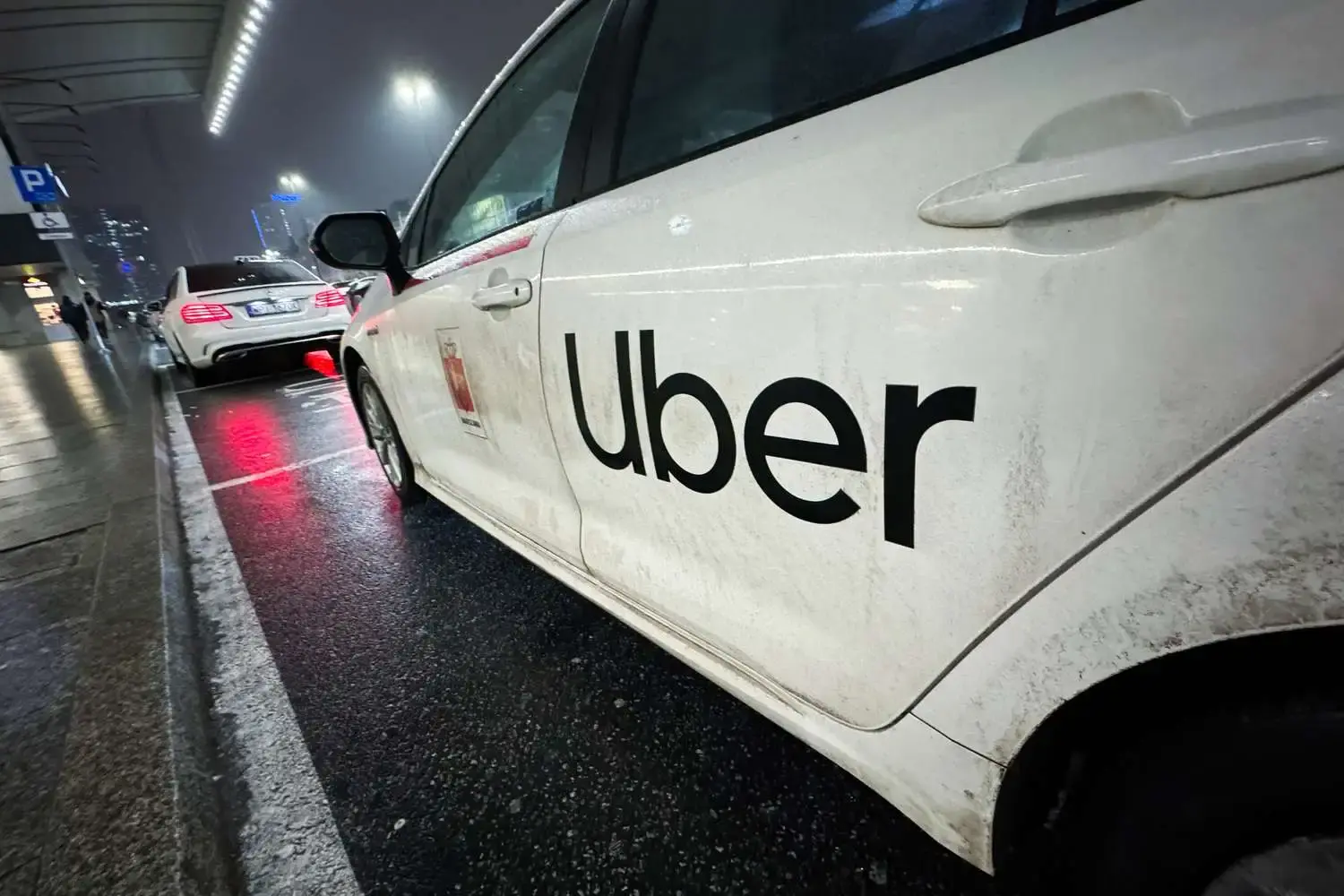
Credti. Getty Images
Uber once touted its service as a cheaper alternative to traditional taxis. However, a major shift occurred when the company introduced up-front pricing, a move that has since led to significant price increases. From 2018 to 2022, Uber fares in the United States surged by 83%, which is four times the rate of inflation, according to an article's data.
Uber's pricing strategy relies heavily on algorithms and real-time factors, which has led to varying fares for the same ride. A test conducted by Business Insider found a 21% difference in fares for the same UberX ride. Similarly, Consumer Reports' tests revealed even wider discrepancies in fares for both Uber and its competitor, Lyft. that Uber's use of artificial intelligence in pricing is primarily aimed at maximizing profits, contending that these strategies contribute to the rising cost of rides. Despite these accusations, Uber maintains that it does not use personalized data to set prices. Instead, the company attributes the fare increases to higher operating costs and a shortage of drivers.
The debate continues.
As the company navigates these challenges, the impact of its pricing strategies remains a point of contention for both riders and industry observers. The tension between innovative technology and consumer pricing has never been more apparent.
Source: www.businessinsider.com
Comentarii
Fii primul care comentează.