Nicușor Dan’s betrayal: How to lose 6.1 Million voters in a single day
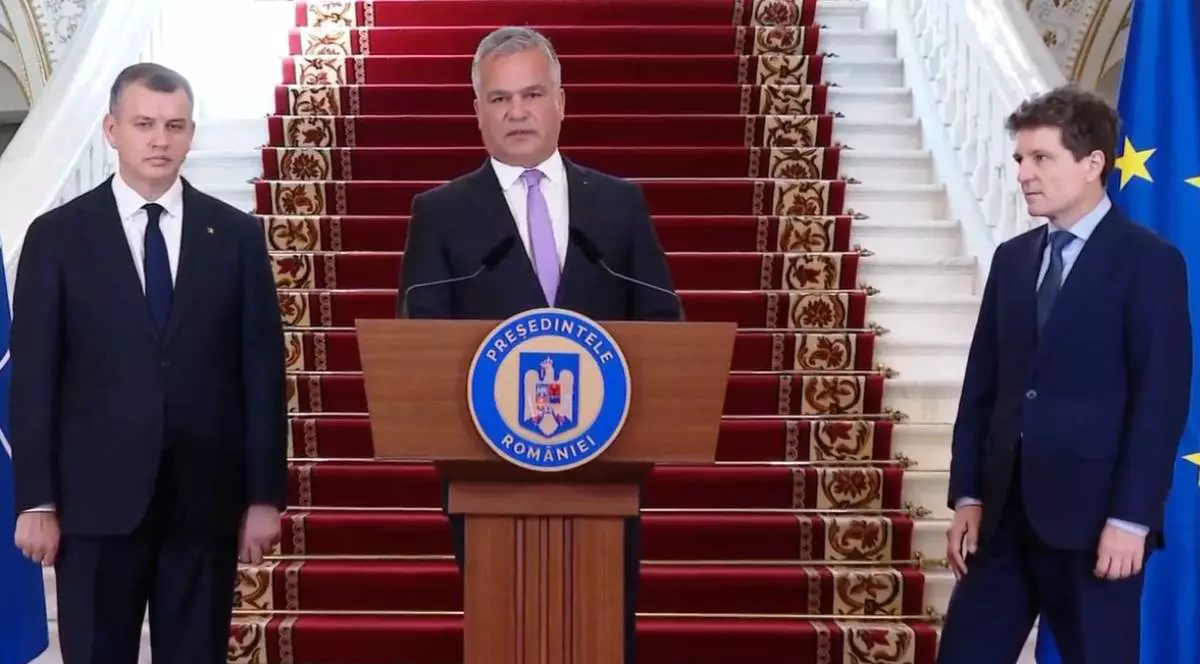
Romanian President Nicușor Dan nominated Adrian Veștea as Premier, causing political turmoil. Critics accuse Dan of betraying his electorate and undermining democracy. Veștea's nomination has been linked to procedural violations and financial controversies. The move has led to internal crises within the PNL and raised concerns over a potential new political alliance.

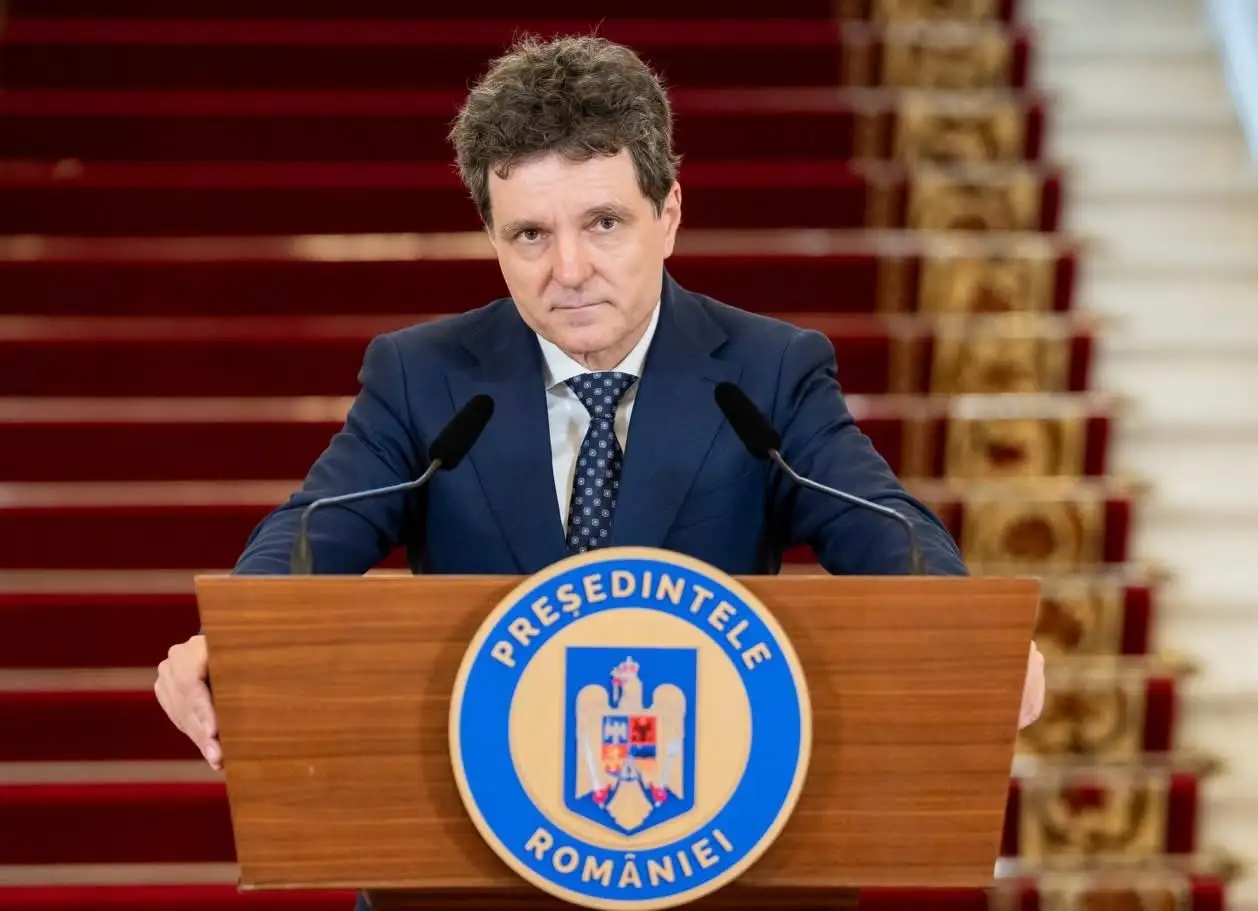
How does a national leader alienate 6.1 million supporters in a single day? The answer lies in a political maneuver as audacious as it is perplexing. Romanian President Nicușor Dan, once a signal of hope for progressives and reformists, has seemingly turned his back on those who elevated him to the presidency in May 2025. By publicly endorsing Adrian Veștea, a figure from the National Liberal Party (PNL) willing to support a new political monstrosity reminiscent of the USL 3.0 coalition, Dan has essentially severed ties with his electorate. This cynical move, baffling to any good-faith observer, is poised to have severe repercussions on Romania's political field in 2026.
Consider the implications if discussions of Dan's potential suspension gain momentum, a scenario that seems all but inevitable should he continue to disrupt the political status quo. At a possible impeachment referendum, those who feel betrayed by Dan's actions are likely to join forces with the electorate of the Alliance for the Union of Romanians (AUR), the followers of Georgescu, and the formidable voting machinery of the Social Democratic Party (PSD). Such a coalition would spell disaster for Dan, marking an unprecedented political misstep: through backdoor dealings and alliances with the old political order, he has united the nation in opposition to him.
The anatomy of this palace coup reveals a flagrant disregard for constitutional protocol. Orchestrated from behind the scenes by controversial figures such as the pro-Russian Matei Păun, Nicușor Dan has triggered a profound institutional crisis. His maneuvers first brought down the reformist government of Ilie Bolojan, and he is now actively attempting to fracture the PNL, one of the country's few remaining mainstream pro-European pillars. The unilateral nomination of Adrian Veștea as Prime Minister, announced immediately after Eugen Tomac returned his mandate to Cotroceni Palace, was executed in flagrant defiance of Article 103 of the Romanian Constitution. By refusing to convene a mandatory new round of formal consultations with parliamentary leaders, the President has ignited a fierce constitutional debate. While some legacy figures downplay the breach, prominent legal minds like former Constitutional Court Judge Tudorel Toader insist that the collapse of a prior mandate legally necessitates a fresh cycle of consultations, rendering the nomination a clear abuse of power and providing parliament with legitimate grounds for impeachment.
Beyond the procedural violations, Veștea’s extensive political resume carries heavy institutional baggage that the presidency chose to ignore. Though his career spans three decades within the PNL, including multiple mayoral terms in Râșnov, the chairmanship of the Brașov County Council, and a stint as Development Minister under the social-democratic Ciolacu administration, his track record is deeply controversial. USR leader Dominic Fritz noted that during high-level coalition meetings, Veștea "traditionally remained silent," pointing to deeper allegations raised by Senator Irineu Darău regarding an "extractive financial network" operating under his watch in Brașov. More alarmingly, the public is left demanding answers to deeply unsettling questions: Was the President aware of the severe structural and financial mismanagement plaguing the Brașov Airport project? Was he briefed on the active criminal investigations targeting Veștea’s inner circle, or the warnings from a NATO general regarding systemic passivity that compromised the allied military exercise "Dacian Spring"?
These systemic failures point to a broader, deeper decay within the state's security apparatus. In a nation burdened by aggressive taxation, where the public education budget is teetering on collapse, and functional illiterates routinely secure public office via backroom directives, the opacity of the domestic intelligence services (SRI) has become untenable. There is a growing, urgent consensus that the intelligence files must be fully declassified to expose the political careers, corporate interests, and special pensions quietly patronized by the deep state.
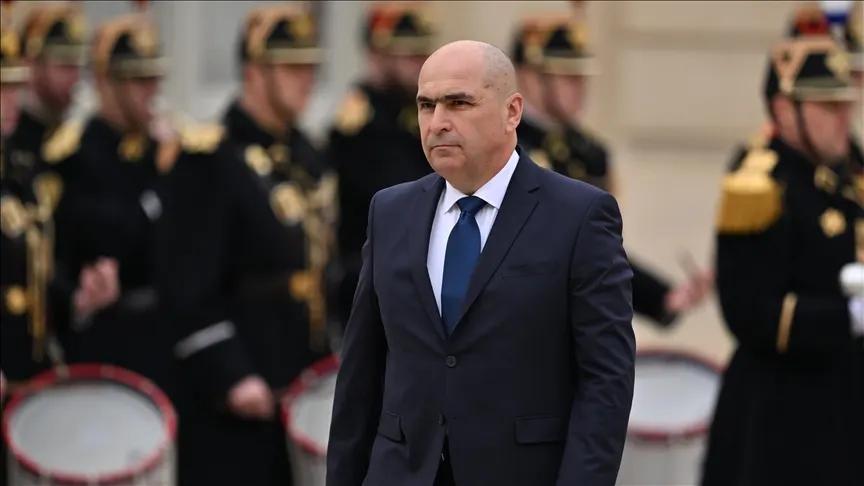
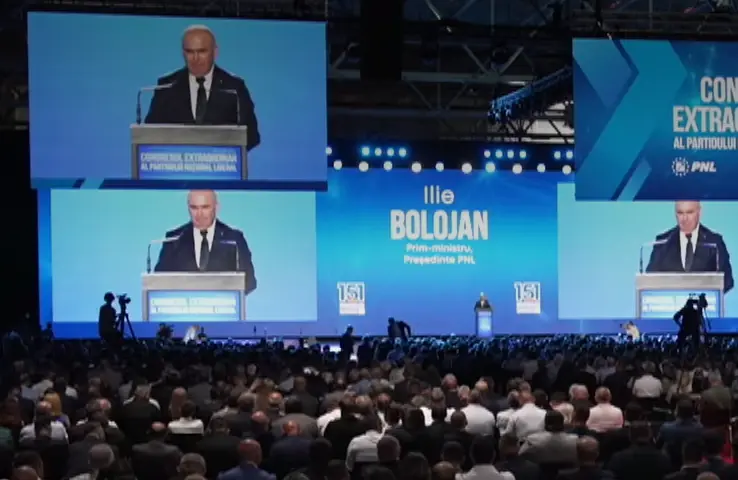
The unilateral nomination of Veștea has triggered a significant internal crisis within the PNL, coinciding with party president Ilie Bolojan's official visit to Chișinău, leaving him unable to directly control events in Bucharest. The liberal leadership reacted harshly, convening an extraordinary meeting of the National Political Bureau. While MEP Gheorghe Falcă officially called for Veștea's expulsion from the party, a rebellious faction comprising Hubert Thuma, Alina Gorghiu, and Nicoleta Pauliuc has begun to align with the presidency. Four Liberal MPs have already announced their intention to vote for the government, and leaders such as Alin Tișe, Valeriu Iftime, and Monica Anisie have publicly feigned "national interest" and the need for "calm," rhetoric eerily reminiscent of the Iliescu era.
In his first interview after the nomination, granted to Euronews, Adrian Veștea offered a bizarre display of political logic. When asked why he did not inform Ilie Bolojan of the offer, despite knowing about it for four days, he cited "urgent matters before a trip to Budapest," as if modern technology had vanished in 2026. Veștea denied being a Trojan horse or a traitor, claiming he was summoned to create "calm" in the country. Former Prime Minister Ludovic Orban swiftly condemned this stance, accusing Nicușor Dan of exploiting Bolojan's image during the presidential campaign only to strike a deal with the PSD now to divide the PNL and impose a surrogate leftist prime minister. Even the Democratic Alliance of Hungarians in Romania (UDMR), through Senators Turos Lorand and Csoma Botond, expressed surprise and warned that they refuse to participate in an exercise to fracture the liberal movement.
This entire episode lays bare a troubling reality: the erosion of credibility and legitimacy within Romania's highest office. Nicușor Dan, who ascended to power on a wave of anti-establishment sentiment, now finds himself ensnared in the very political games he once denounced. His decision to back Veștea, a move that bypasses traditional norms and alliances, may have irreparably damaged his standing. The potential fallout is not merely a personal political failure but a broader indictment of the vulnerabilities within Romania's democratic institutions.
From a wider geopolitical perspective, the implications of this crisis extend far beyond the composition of a temporary cabinet. Corneliu Bjola, a professor of Diplomatic Studies at Oxford University, warns that Romania has reached a dangerous inflection point. The President is now practicing the exact brand of murky, backroom transactional politics he built his entire anti-system campaign on defeating. This calculated attempt to weaken major political parties by elevating pliant, mid-tier regional actors to high office mirrors the autocratic tactics of King Carol II in the 1930s, who systematically fractured the historical parties to pave the way for personal rule.
The Warning of History: "The immediate danger facing Romania is not a sudden, hard descent into dictatorship, but rather the gradual consolidation of a soft personalist regime," warns Professor Corneliu Bjola. "A president who justifies every ethical compromise with the deep state under the guise of protecting a pro-Western orientation risks completely destroying the credibility of the democratic process."
As the populist opposition under AUR Vice President Dan Dungaciu capitalizes on the chaos, dryly observing that the President "no longer has his hands on the steering wheel," Romania faces a vacuum of moral leadership. The only viable path forward requires Nicușor Dan to halt this dangerous course, distance himself from the echo chamber of shadow advisors, and re-anchor his presidency in the fundamental promises of transparency and institutional integrity that won him the country.
Comentarii
Fii primul care comentează.
The Cotroceni putsch and the liberal line in the sand: How Ilie Bolojan blocked the rebirth of Romania’s toxic Grand Coalition
Political collapse in Bucharest: winners, losers, and the end of pretence
Adrian Veștea and the art of the open invitation