NATO confronts the economic weaponization threat
Adm. Giuseppe Cavo Dragone of NATO addresses strategic threats in global trade, focusing on economic weaponization. Key issues include the Strait of Hormuz and China's mineral control.

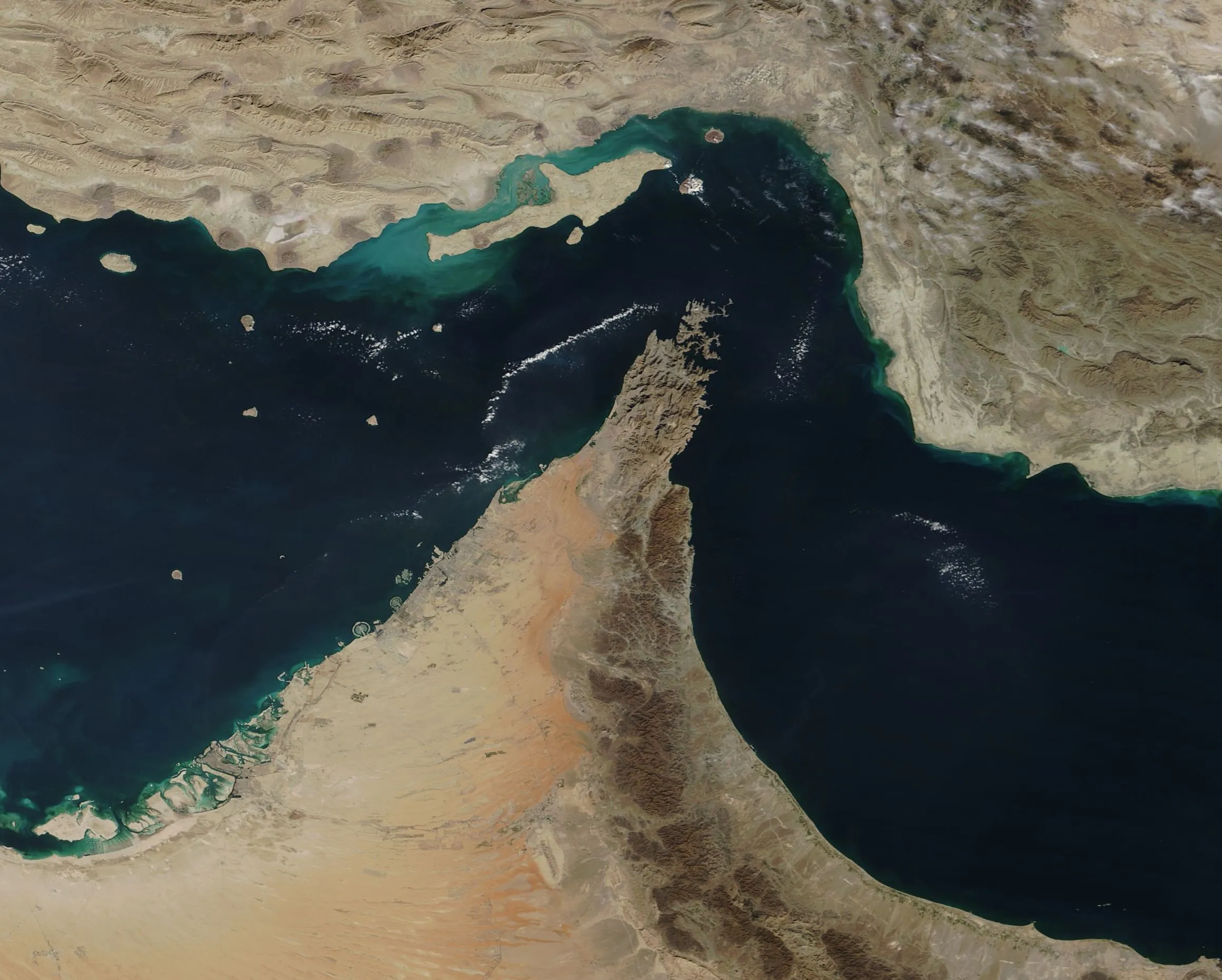
When Adm. Giuseppe Cavo Dragone, NATO's military commander, addressed defense and security officials in Singapore recently, he delivered a stark warning about the strategic risks posed by the weaponization of economic interdependence. His example was pointed: Iran's manipulation of the Strait of Hormuz, where geographic chokepoints become instruments of coercion.
"The weaponization of economic interdependence is a growing concern," Cavo Dragone emphasized, urging enhanced collaboration among military, governmental, and industrial sectors to counter these emerging threats. The strait he referenced remains one of the world's most volatile pressure points—a narrow passage through which global oil shipments must flow. Iran's intermittent threats to close this important waterway have repeatedly sent tremors through oil markets and disrupted global trade patterns.
While a ceasefire has temporarily eased tensions, the search for a permanent resolution to guarantee the strait's accessibility remains frustratingly out of reach. Nations are scrambling for alternatives, exploring everything from new pipeline construction to developing entirely different export routes. The stakes are simply too high to remain dependent on a single vulnerable passage.
Yet Iran is hardly alone in wielding economic use as a weapon. The United States has long exploited its dominance of the dollar to exert influence over rival nations, deploying sanctions as a favored tool of economic coercion. China, meanwhile, has turned its control over critical minerals—necessary components in semiconductors and jet engines—into a formidable bargaining chip.
Japan has felt this pressure acutely, struggling since 2010 to reduce its dependency on Chinese rare-earth elements. The geopolitical consequences ripple outward, touching everything from national security calculations to the pace of technological advancement. Diversifying sources of critical minerals has become an urgent priority, though progress has been painfully slow.
The US, Europe, and Japan have collectively poured billions into mining operations outside China, targeting regions including the US itself, Malaysia, and Australia. But these initiatives have stumbled over significant obstacles, hampered primarily by insufficient government support, according to industry insiders who watch these developments closely. The difficulty of building economic resilience cannot be overstated.
The costs are staggering, the timeframes extended, the political will often uncertain. As Gaurav Ganguly from Moody's Analytics observed, "It took us decades of cooperation to build these interdependencies, and disentangling them is really, really difficult." The observation captures the central paradox: the very interconnectedness that fueled global prosperity now creates vulnerabilities that adversaries can exploit.
China's influence reaches particularly deep into the global supply chain for semiconductors. US export controls have attempted to limit China's access to advanced chips important for developing advanced AI models. Despite these restrictions, China is investing heavily in its domestic chip industry, determined to circumvent Western limitations and secure its technological future.


This strategic maneuvering illustrates the broader implications of economic weaponization, where nations compete fiercely for control over key technologies and resources that will define the coming decades. Roland Rajah from the Lowy Institute framed the central dilemma facing policymakers: "The key question is whether governments have the ability to pursue economic resilience without imposing excessive economic costs." The balance is delicate—reducing dependency on strategic chokepoints like the Strait of Hormuz without simply creating new vulnerabilities elsewhere.
This challenge extends beyond logistics into the field of politics, demanding nuanced diplomacy and strategic foresight that few governments have consistently demonstrated. Saudi Arabia and the UAE have launched ambitious efforts to bypass the Strait of Hormuz through extensive pipeline infrastructure. Yet these initiatives face inherent limitations, constrained by regional conflicts and capacity issues that prove stubbornly resistant to engineering solutions alone.
The ongoing conflict in Yemen has delayed several pipeline projects designed to circumvent Hormuz, revealing the intricate web of geopolitical and logistical challenges that complicate even the most straightforward technical fixes. Abraham Newman from Georgetown University warned against the seductive simplicity of merely swapping one dependency for another. Genuine economic resilience, he emphasized, requires careful planning and strong international cooperation—not hasty decisions driven by immediate anxieties.
Ensuring stability in the global trade system demands a strategic approach that weighs both immediate needs and long-term sustainability, a calculation that grows more complex as geopolitical tensions intensify. The weaponization of economic interdependence represents a fundamental shift in how nations project power and pursue their interests. Unlike traditional military threats, economic coercion operates in gray zones where the boundaries between legitimate policy and hostile action blur.
A nation that controls a critical resource or chokepoint wields influence that can be deployed gradually, calibrated to avoid triggering direct confrontation while still achieving strategic objectives. This reality forces a reckoning with the assumptions that have governed global trade for decades. The belief that economic integration would necessarily promote peace and cooperation now seems naïve in light of how readily nations exploit interconnectedness for strategic advantage.
Yet complete economic decoupling carries its own dangers, threatening to fragment the global economy into competing blocs that would diminish prosperity for all. As global trade continues to evolve amid these pressures, the call for thorough strategies to address economic weaponization grows more urgent. NATO's emphasis on this issue signals a recognition that security in the modern world cannot be separated from economic considerations.
Military alliances must now grapple with threats that emerge from supply chains, financial systems, and resource dependencies as much as from conventional armed forces. The path forward requires not only innovation and investment but also a shared commitment to navigating the complex dynamics that define our interconnected world. Nations must build resilience without retreating into isolation, diversify dependencies without creating new vulnerabilities, and cooperate internationally even as they compete for strategic advantage.
Whether governments possess the wisdom and political will to thread this needle remains an open question—one that will shape the stability and prosperity of the global order for years to come.
Comentarii
Fii primul care comentează.

Dan: SCOMAR not designed for drone threats, NATO session requested for June 10
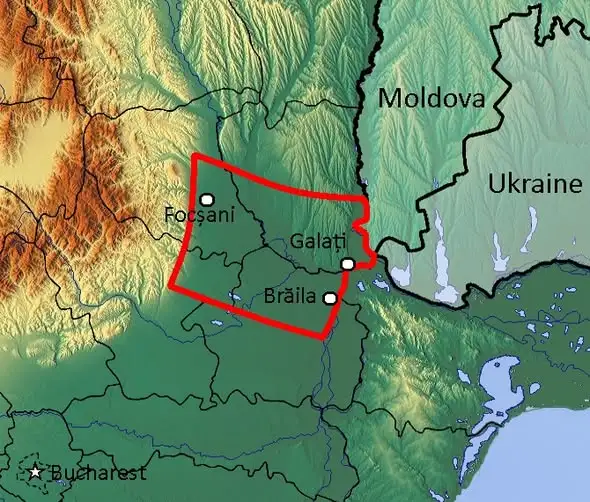
Romania's defense strategy questioned amid NATO exercises
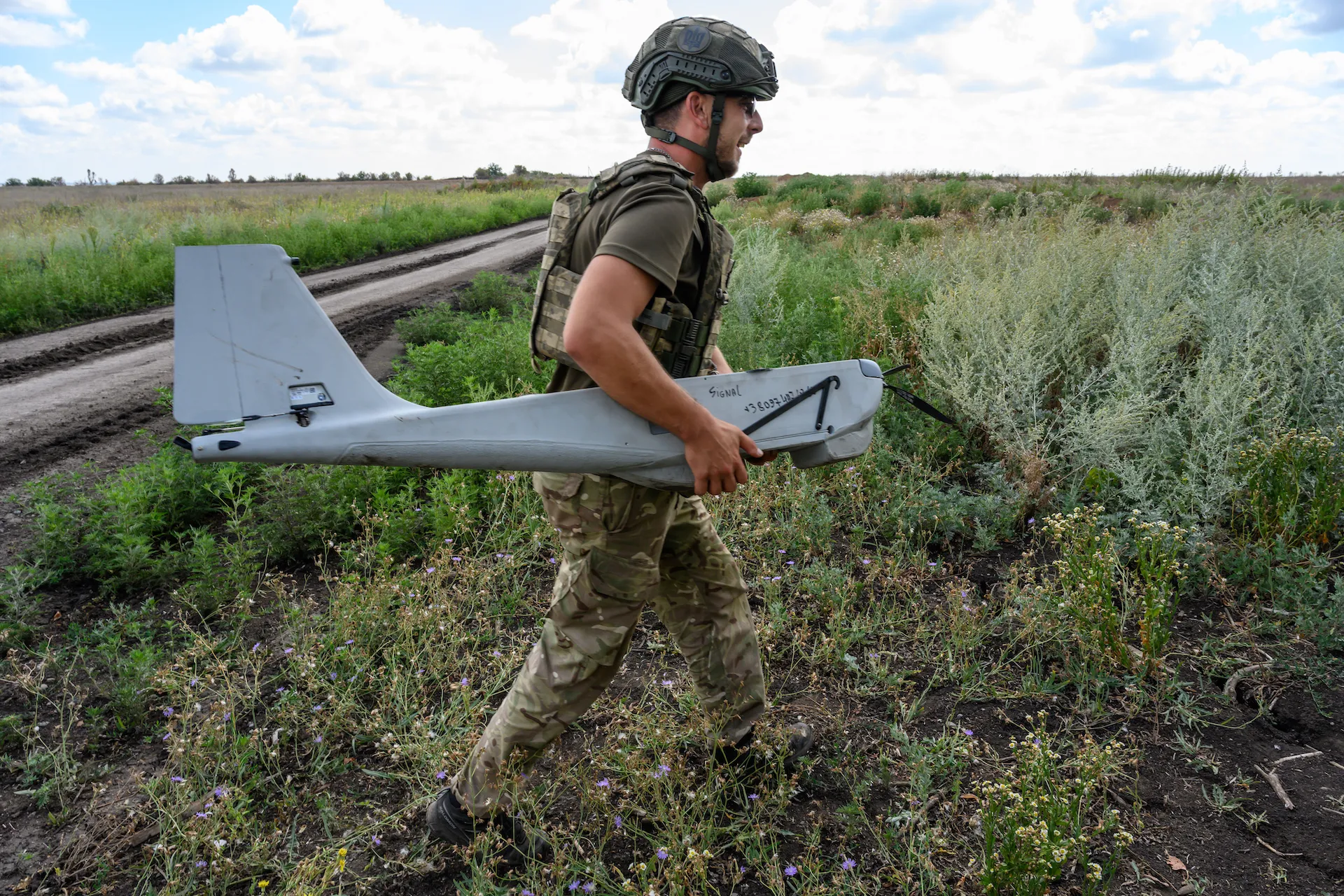
Ukraine moves drone command centers underground after 90% of Russian losses attributed to UAVs
