Kyiv escalates asymmetric warfare with strikes on Russian logistics
Kyiv intensified its asymmetric warfare by launching strikes into Russian territory and occupied Crimea, targeting logistics hubs including refineries and military airfields. These actions, occurring overnight on May 27, mark a strategic expansion beyond the front lines.


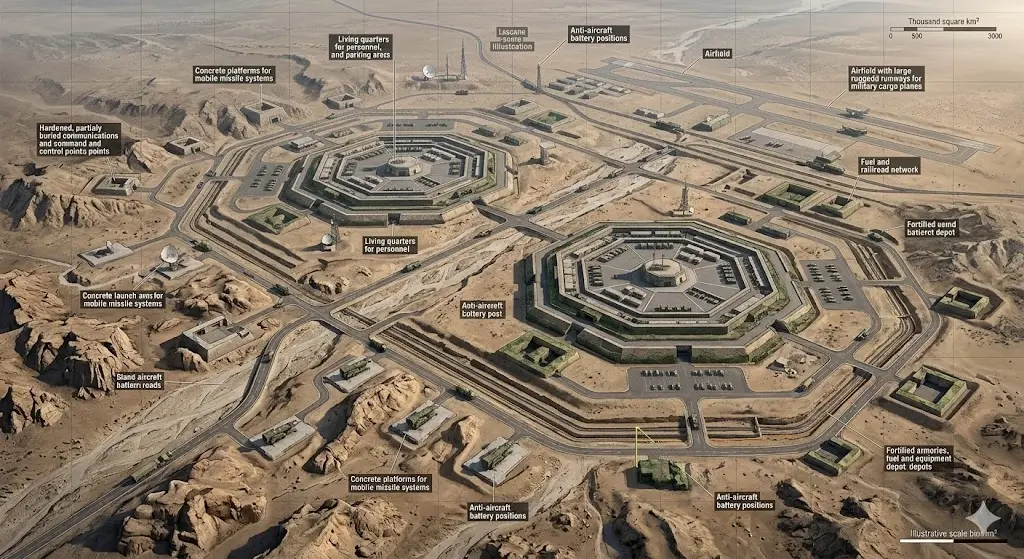
Kyiv escalated its ongoing conflict with Moscow by launching a series of strategic attacks on Russian logistics infrastructure in the early hours of May 27. The strikes targeted key logistical nodes, including refineries, military airfields, and strategic plants, both within Russian territory and in the occupied region of Crimea. These operations are part of Ukraine's asymmetric warfare strategy, aimed at disrupting Russian supply lines and weakening its military capabilities beyond the immediate front lines.
The choice of targets underscores Kyiv's intent to cripple the logistical backbone that supports Russian operations in the region. By focusing on refineries and military airfields, Ukraine aims to limit Russia's ability to sustain its military efforts and maintain operational momentum. This tactic reflects a broader strategic shift towards engaging Russia on multiple fronts, stretching its resources and complicating its military calculus.
Colonel Oleksandr Syrskyi, a military strategist with the Ukrainian Armed Forces, emphasized the significance of these attacks. "Our objective is to disrupt the enemy's logistics and weaken their operational capacity," said Syrskyi. "By targeting their supply chains, we aim to create strategic dilemmas for the Russian command."
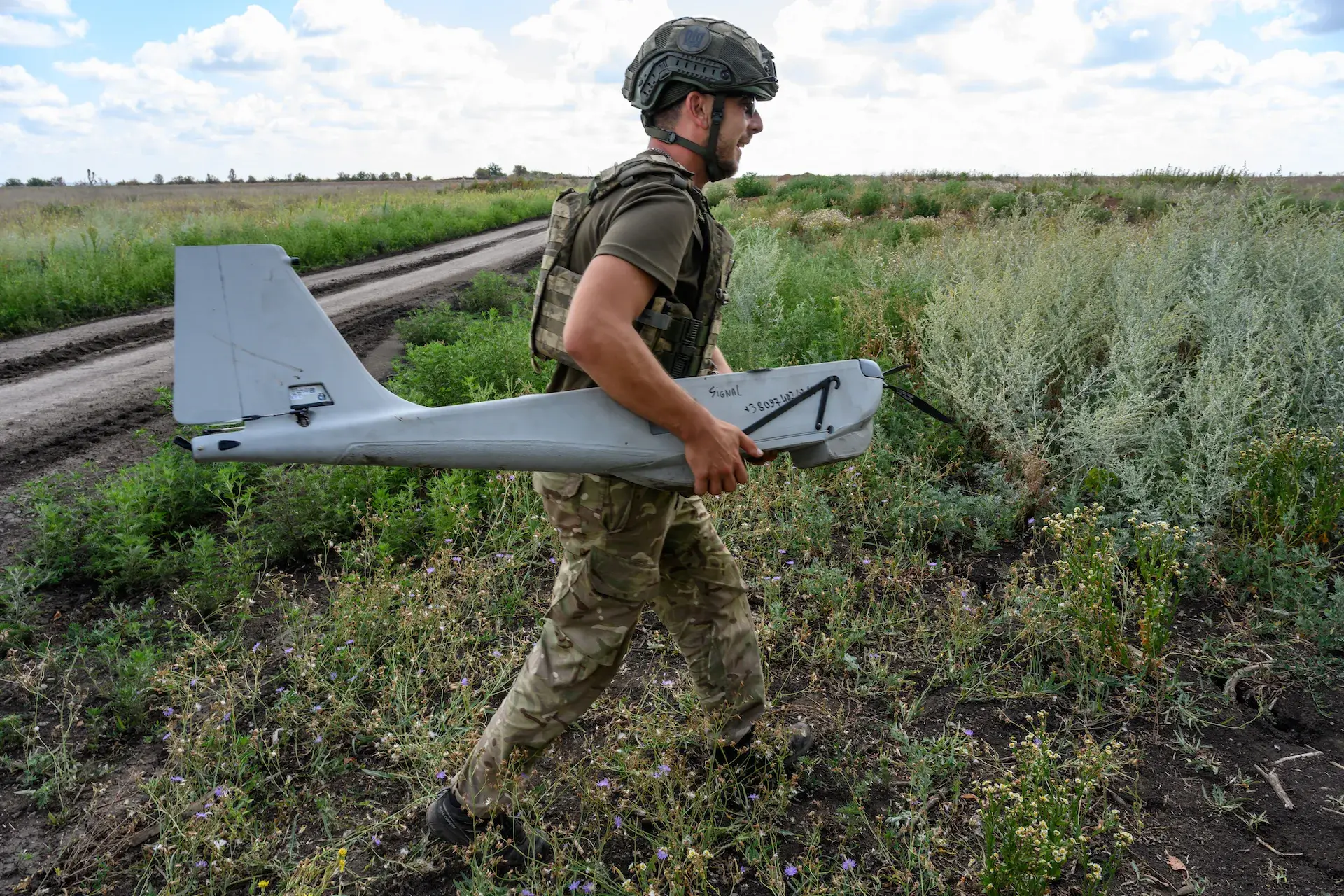
The attacks represent a calculated move in Ukraine's asymmetric warfare approach, which seeks to exploit vulnerabilities within the Russian military infrastructure. This strategy involves striking beyond the traditional battlefield, targeting critical nodes that support the Russian war effort. Such actions are designed to inflict maximum operational disruption with minimal direct engagement, a hallmark of asymmetric warfare.
The implications of these strikes are likely to reverberate through the geopolitical field, as Russia must now contend with the prospect of its logistics being targeted deep within its own territory. This escalation could provoke a range of responses from Moscow, potentially altering the dynamics of the conflict.
The Ukrainian government has not officially commented on the specifics of the attacks, maintaining a strategic ambiguity that is characteristic of its recent military operations. However, these actions are consistent with Kyiv's broader military objectives and its commitment to reclaim occupied territories.
As the conflict continues to evolve, the international community watches closely, aware that such escalations could have far-reaching consequences. The next phases of this conflict will likely hinge on how Russia responds to these strategic incursions and the extent to which Ukraine can sustain its asymmetric campaign.
The developments are set to be discussed in an upcoming international security conference in Geneva, where the potential impacts on regional stability will be a central topic. Observers will be keenly focused on the responses from both NATO and the European Union, as they weigh their options in supporting Ukraine's defense efforts.
Source: adevarul.ro
Comentarii
Fii primul care comentează.