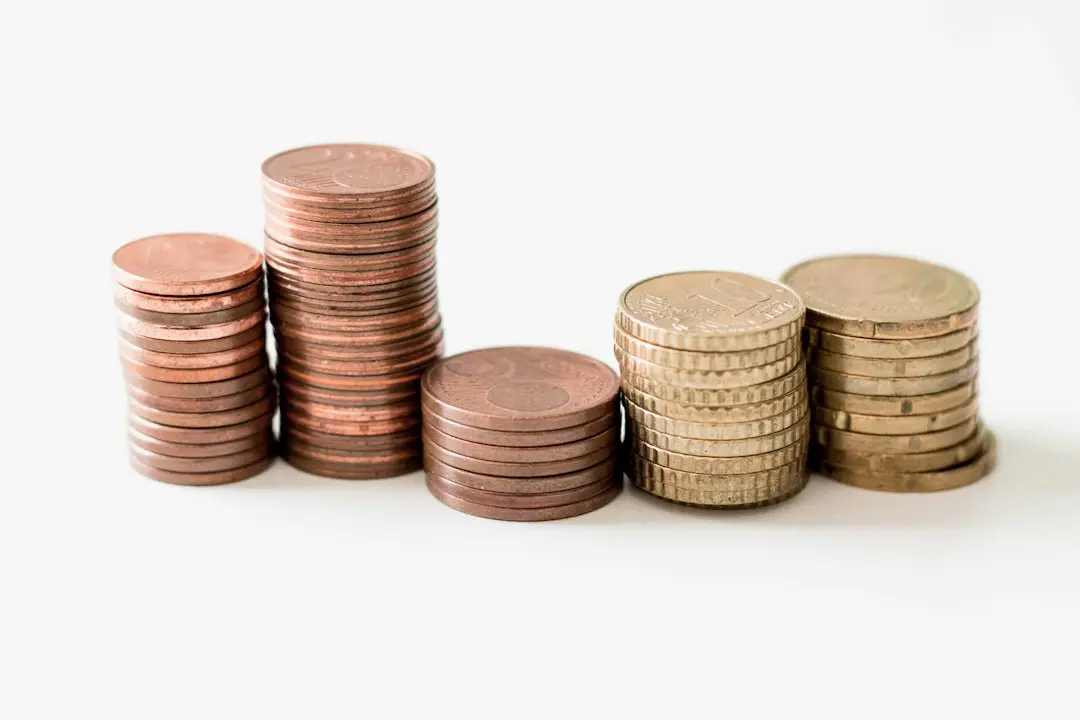
Romania’s Euro Surges Past 5.34 Lei: The Bill for a Decade of Illusions Arrives
Romania's euro exchange rate hit an all-time high of 5.3447 lei, reflecting years of economic policy that masked underlying fragility. The sudden depreciation impacts mortgages, goods, and services, as most prices are euro-denominated while incomes remain in lei. This shift exposes the real costs of maintaining an artificially stable currency.


Outside the currency exchange in Mănăștur on Friday at noon, a line of people waited, none looked like tourists or speculators. A middle-aged woman, clutching a stack of 100-lei notes, stared at the digital board: 5.34 lei for one euro. I had never seen that number there before. Neither had she. “What can I do? I have to pay my child’s rent in Cluj,” she said, her voice heavy.
This is where we stand today: the euro has reached 5.3447 lei, according to the National Bank of Romania (BNR), up 1.27% from yesterday. That’s a new all-time high. The US dollar jumped to 4.7519 lei, a 1.6% increase in a single day. The Swiss franc climbed to 5.7347 lei. Gold now costs 639.20 lei per gram, nearly 14 lei more than yesterday.
Anyone who’s never lived with fear of the exchange rate won’t grasp what it means to see the euro jump 6 or 7 bani overnight. The absolute numbers look small, but for a 60,000-euro mortgage, “spare change” like this means hundreds of lei extra on the monthly payment. And this isn’t just about loans. The entire Romanian economy runs on euro-denominated prices for homes, cars, services, even dentists, while incomes and salaries are paid in lei.
My point is straightforward: the leu’s depreciation is no accident, but the result of a decade of policy that kept the exchange rate artificially low, masking a fragile economic reality. Now, we’re reaping the consequences.
For six years, Romania has held the largest current account deficit in Europe. Relative to GDP, we’re theoretically at the top globally. Just in the first seven months of this year, €16.2 billion more left the country than came in. Since the 1989 Revolution, no imbalance like this has been recorded. The image of truckloads of euros leaving Romania is not a metaphor: that money is gone for good, and we don’t have a euro printing press.
Currency, like any commodity in a market, reacts to scarcity. Fewer euros in the country, the price of euros rises. Nothing mysterious here. Remove a truckload of apples from the market, the remaining apples get pricier. How much pricier? No one knows exactly, but the market signals it: the price jumps overnight.
The bitterest part is that, for ten years, governments borrowed massive amounts of euros to keep the leu’s exchange rate under control. Public debt has reached 1.2 trillion lei. Loan stacked upon loan, all to conceal the underlying crack. This allowed politicians to promise wage and pension hikes, to maintain the illusion of stability. Reality, though, cannot be fooled forever.
BNR, too, played the leu’s guardian, intervening heavily in the currency market. In September, public data shows BNR spent a net €5 billion from reserves to hold the exchange rate. The total reserve stands at about €60 billion. If this pace continues, the reserves last no more than 12 months. There’s no panic yet, but the safety net is gone.
Some will argue that central bank intervention is standard economics. In mature economies, inflation shows up in the exchange rate. Here, inflation was hidden in the rate: prices exploded, but the leu stayed “stable” on paper. A correction was overdue. The problem is that it’s coming suddenly, hitting everyone, not just those with forex loans or stock market bets.

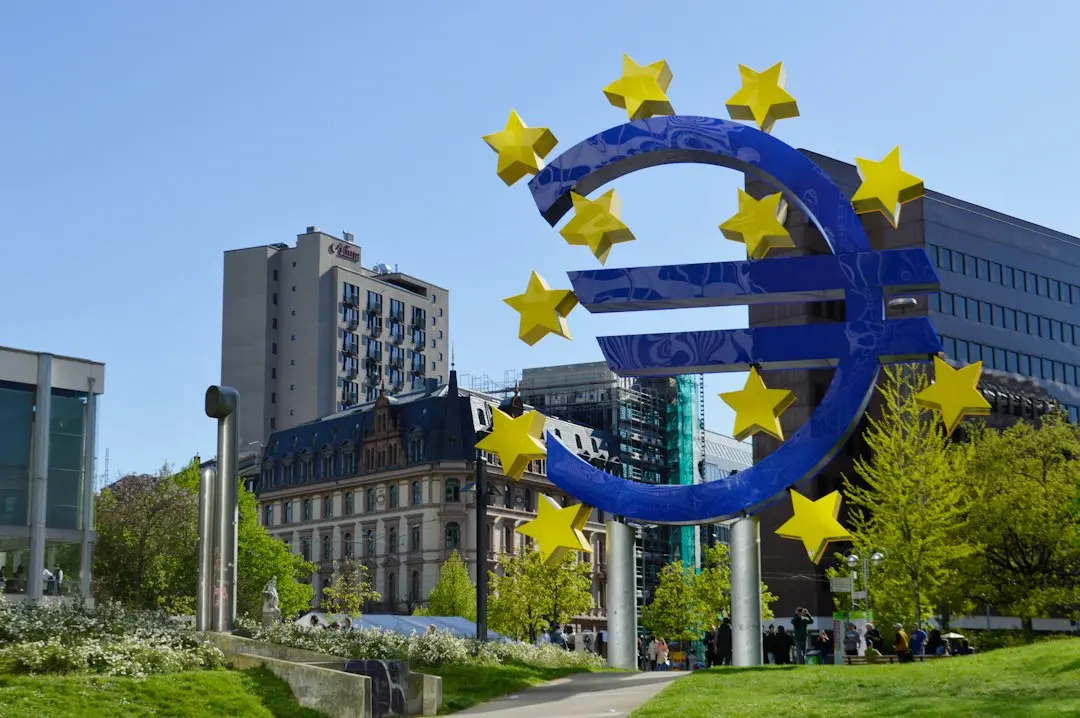
Of course, there are winners. A small group of Romanians, those who had the “foresight” to convert their money to euros in time, or those who exported profits, legally or not, managed to preserve their wealth. For everyone else, including entrepreneurs who kept their cash in lei, the bill is painful.
I’ve read too many times that “the baker in Buzău doesn’t care about this.” That’s a lie. Anyone paying rent, a mortgage, a phone bill, a car, or a dentist feels the leu’s devaluation directly. In reality, no one is immune. Even at the market, while vegetables aren’t priced in euros, transport, fuel, and seeds all depend on the exchange rate. In the end, it all shows up on the shelf price.
It’s not just the economy showing strain. Political instability is accelerating capital flight. The US State Department has bluntly said there is no longer legal predictability in Romania. Investors look at European Court of Justice rulings, see them ignored, and draw the obvious conclusion: this is not a place for serious money. If you can’t recover your investment in court, you don’t invest. Simple.
Politicians, rather than fixing the cracks, promise new wage and pension hikes, even as we teeter on the edge of bankruptcy. Who would risk putting money in a country where you can’t predict next year’s profit tax rules? No rational investor would take that gamble.
Here comes the turning point: the problem isn’t just how much the euro rose today, but that this rise was inevitable. It was postponed, disguised, kicked down the road with promises and loans. But an economy is like a rubber band: stretch it, it extends, but eventually it snaps. That’s what we’re seeing now.
The strongest objection always comes from those who claim “everyone does the same,” that other countries defend their currencies, that things aren’t so dire. It’s true: Poland and Hungary have both intervened in their markets at times. The difference is scale and duration. Romania kept the leu fixed at any cost, year after year, even as the deficit ballooned, public debt swelled, and productivity stagnated. In other countries, corrections come sooner and less painfully; here, delay was the policy.
Someone might say, “BNR’s reserve is solid, we still have €60 billion.” Yes, but the outflow rate is €5 billion per month during crises. A year of pressure and the money’s gone. Then you don’t even have the illusion of control.
Who suffers most? The answer is clear: the entire population. Not just those with euro loans, not just importers, but small business owners, pensioners, public and private employees alike. When the euro crosses 6 lei, then 7, it won’t matter who was prudent or lucky. We’ll all pay, for decisions made years ago by others.
I have written for three years that Romania would end up here. No clairvoyance required, just reading the numbers: record current account deficit, massive public debt, BNR interventions beyond economic sense. Today, as the euro jumps past 5.34 lei, this isn’t an accident but the logical conclusion of a decade of illusions.
One fact is hard to forget: in September alone, BNR spent €5 billion to keep the leu afloat. At this rate, the reserve lasts at most a year. After that, only the market reality remains, and that spares no one.
Comentarii
Fii primul care comentează.