EU Agrees on Clearer Social Rules for Mobile Workers
Romanians in the EU may soon benefit from clearer social rules. New EU provisions aim to simplify unemployment, pensions, and social rights. Changes affect citizens working or living in multiple member states. The reforms aim to reduce bureaucracy and improve coordination. New rules are expected to be implemented in late 2026.

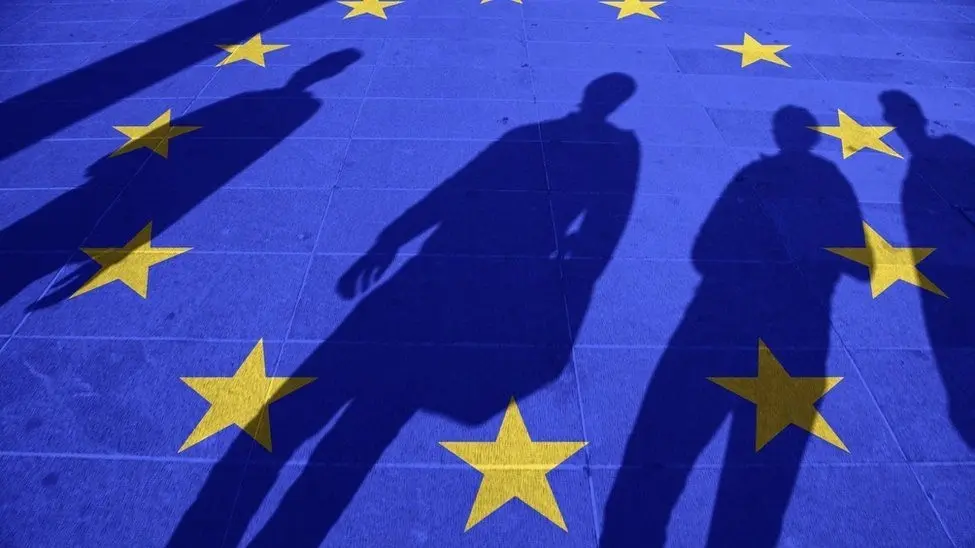
Romanians working in other European Union countries are set to benefit from clearer social security rules, following the agreement on new provisions after nearly a decade of negotiations. The new rules simplify processes related to unemployment, pensions, and social rights for EU citizens residing or working in different member states.
The main objectives: cut bureaucracy, combat fraud, improve coordination among member states. A significant modification is that unemployment benefits will now be paid by the state where the contributions were made, rather than the state of residence. Additionally, workers will be allowed to retain their unemployment benefits for up to six months while living abroad, encouraging greater labor mobility within the EU.
The reforms cover not just unemployment benefits, but also pensions, family benefits, and long-term care. Coordination of social rights improves for those working across multiple countries. Parents working abroad will find clearer guidelines on family allowances, and beneficiaries of long-term care will also see more straightforward rules.
For employers, there is a requirement to notify authorities in advance when seconding staff to other countries. Seconded workers must have a minimum level of insurance in their home country. The national administrations will facilitate the exchange of information electronically, which will expedite verification processes and limit fraud.
The reforms, which represent a major overhaul of the EU's social security coordination, come into effect by late 2026. The changes impact approximately 16 million EU citizens and simplify access to social rights for Romanians and other EU nationals working abroad.
Comentarii
Fii primul care comentează.