Minister Pîslaru Criticizes Lack of Pre-Notification in DIICOT Operation
Interim Labor Minister Dragoș Pîslaru expressed concern over the Ministry of Labor not being informed prior to a DIICOT operation. The operation on June 30 evacuated over 400 vulnerable individuals from a facility in Bihor. Minister Pîslaru was notified only during the operation and emphasized the need for a national protocol. The evacuation highlighted systemic issues in Romanian social assistance.


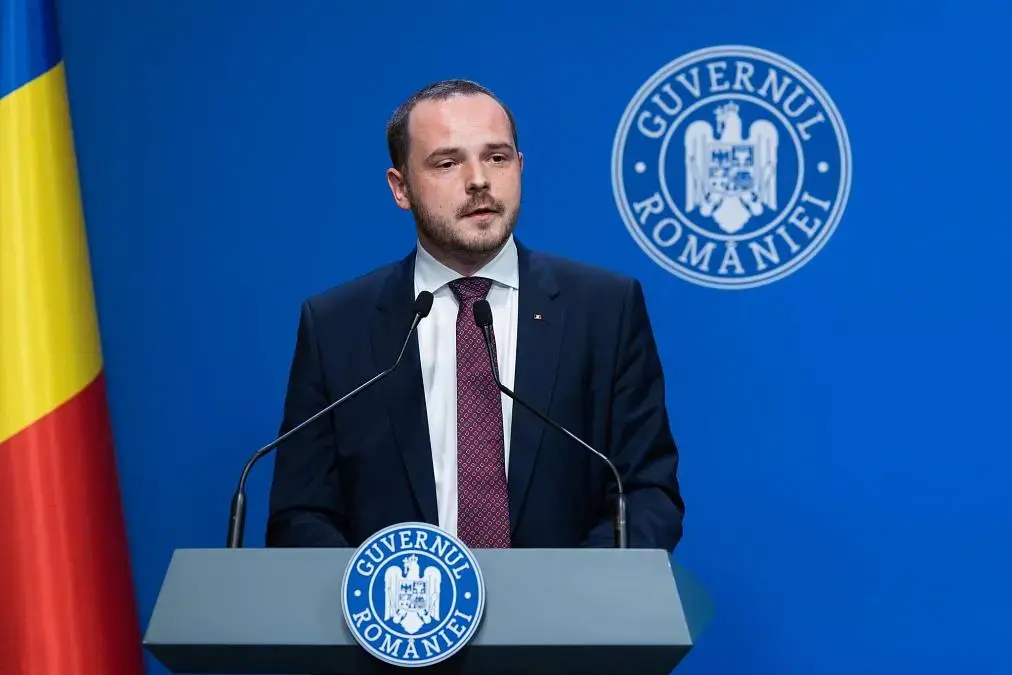
Interim Labor Minister Dragoș Pîslaru has raised concerns about the lack of prior notification to the Ministry of Labor regarding a DIICOT operation that evacuated over 400 vulnerable individuals from a facility in Bihor on June 30. According to Pîslaru, he was informed of the operation only at 09:30 on the day it took place and was asked to find relocation solutions while the operation was ongoing.
"When the action was already in full swing, I was asked to intervene," Pîslaru remarked, highlighting the urgency and lack of preparation time for the Ministry. The operation, which saw the evacuation of 409 individuals, involved the relocation of 394 people to social assistance centers across 20 counties, while 15 individuals remained in medical units.
Pîslaru emphasized that justice should not be conducted through media channels and reiterated the presumption of innocence for Viorel Pașca, who had housed thousands of needy individuals over nearly two decades outside the legal social assistance framework. Despite state institutions having transported people to Pașca's facilities and checked them over the years, the activity was neither legalized nor halted.

The Ministry of Labor responded by establishing a crisis cell and mobilizing social assistance institutions from 20 counties to facilitate the relocation process, which lasted almost 24 hours. Pîslaru also called for the creation of a national protocol for handling vulnerable persons during such interventions.
The operation's aftermath revealed significant challenges, with 149 of the evacuated individuals having disabilities and 212 being elderly, some as old as 93. Additionally, 11 persons lacked identity documents, prompting authorities to address this issue. A call center operated by ANPIS received 40 calls from families, though none offered to take the relocated individuals into their homes.
In a related development, Gheorghe Gogea, aged 55, died in Mureș after being relocated. Although he was reportedly stable and had no urgent medical issues, the cause of death is to be determined by the Medical Legal Institute.
Pîslaru expects swift judicial clarification regarding the Bihor case and acknowledged that the situation highlight the Romanian state's frequent failures to assist the vulnerable. He committed to implementing measures for both immediate and systemic solutions. "We cannot change the past.. but ensure this doesn't repeat," Pîslaru stated, underscoring the need for reform.
Comentarii
Fii primul care comentează.