WHO Warns Europe of Intensifying Heatwaves
The World Health Organization (WHO) warns Europe of an impending heatwave, stressing the need for governmental action. WHO Regional Director Hans Kluge highlights the rising frequency and intensity of heatwaves as a significant public health threat. Vulnerable groups, including the elderly and chronically ill, face increased risks. WHO reports a dramatic rise in heat-related mortality among those over 65. Many European countries lack thorough heatwave health plans.

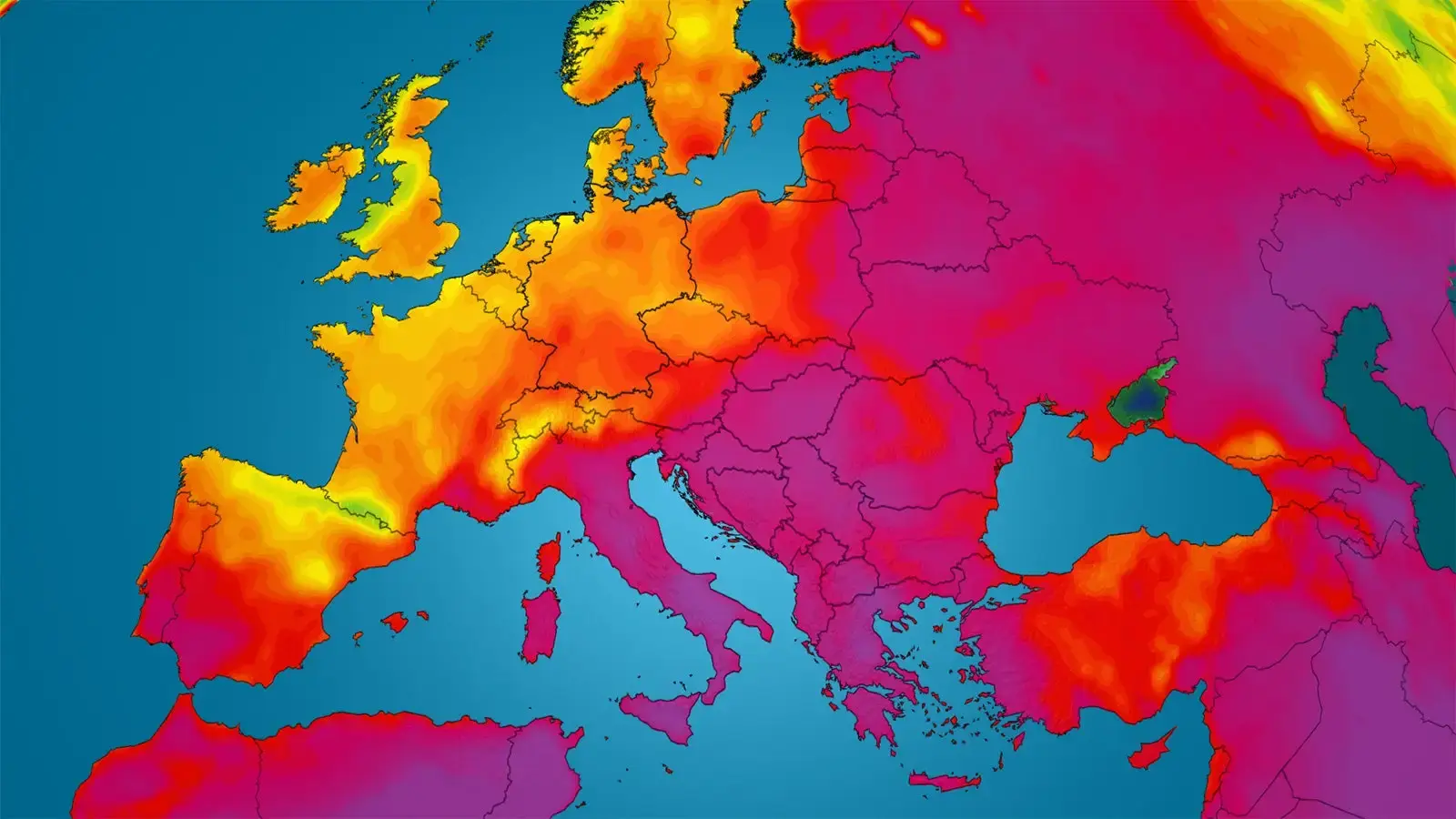
The World Health Organization (WHO) has issued a warning that Europe is on the brink of facing a new heatwave, posing a significant public health threat. Extreme temperatures are becoming more frequent, intense, and prolonged, according to the WHO, which highlight the urgent need for governmental intervention to mitigate these effects.
Hans Kluge, WHO Regional Director for Europe, emphasized that the current heatwave is a harbinger of future climatic challenges. "Each of the next summers for which we fail to prepare will be a summer for which we will pay with human lives," Kluge stated, highlighting the critical need for preparation.
Data from the WHO reveals that Europe is warming at a rate twice as fast as the global average, with heatwaves becoming recurrent phenomena rather than isolated occurrences. This trend has already placed a significant burden on European medical systems, as evidenced by the strain on emergency services. In some French cities, emergency calls surged by 50%, while London's ambulance service recorded unprecedented demand. Spain and Italy have reported numerous heat-related deaths during recent heatwaves.


The WHO's findings also indicate a stark increase in heat-related mortality, particularly among those over 65, with an 85% rise observed between 2000-2004 and 2017-2021. Over the past four years, more than 200,000 individuals in the WHO Europe region have succumbed to extreme heat.
The organization urges governments to treat heatwaves as health crises and to invest in protective measures for their populations. Recommendations include the development of national protection plans for extreme temperatures, expanding cooling spaces in urban areas, and implementing special measures for vulnerable groups such as the elderly, children, and those with chronic illnesses.
Despite these warnings, over half of European countries still lack thorough heatwave health plans. The WHO stresses that many of the adverse effects of heatwaves are preventable with early preparation and effective response strategies.
Comentarii
Fii primul care comentează.