Ilie Bolojan secures PNL presidency with 1,769 congress votes
Ilie Bolojan clinched the presidency of the National Liberal Party with a decisive majority at the party congress, reflecting strong internal support. His leadership team includes experienced politicians aimed at balancing regional and policy interests. Bolojan emphasized administrative reform and criticized the Social Democratic Party for obstructing progress.

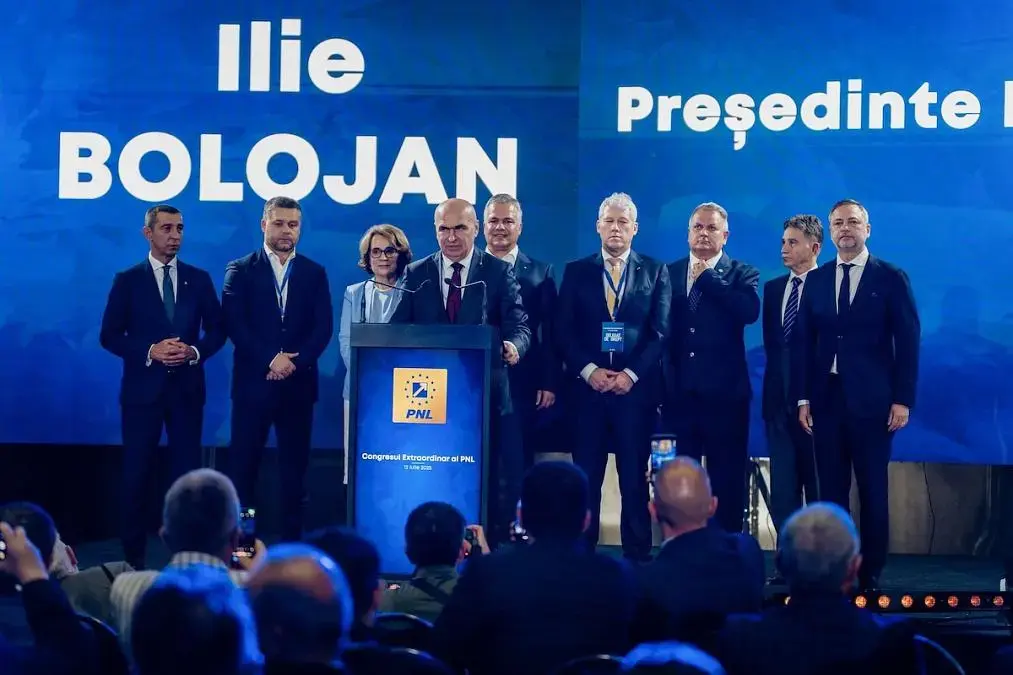
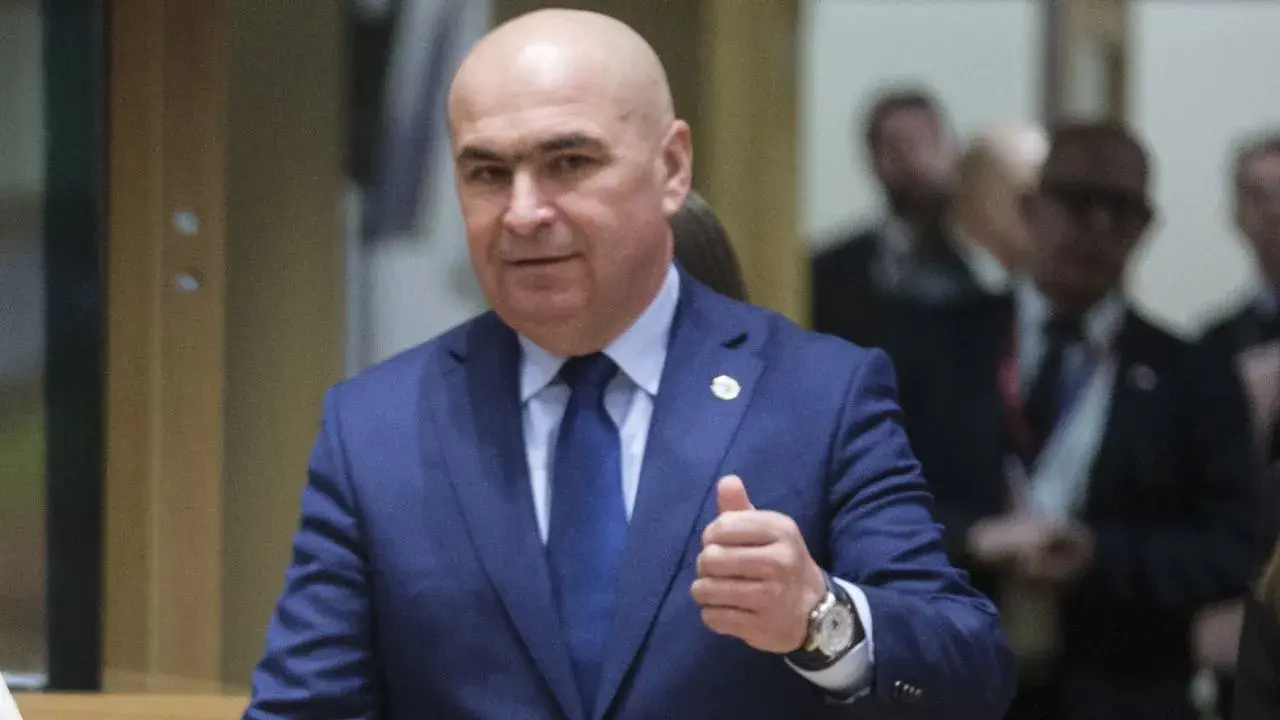
Ilie Bolojan was elected president of the National Liberal Party on Sunday, securing 1,769 votes from 1,886 delegates at the party's congress in Bucharest. The result represents one of the most decisive leadership mandates in recent PNL history, with only 73 ballots annulled and 44 delegates abstaining or leaving before the final count.
The vote took place amid mounting internal pressure on the Liberals to redefine their direction after months of coalition disputes and declining public support. Bolojan, formerly mayor of Oradea, built his campaign on a reputation for administrative reform and fiscal discipline.
"Vă mulțumesc pentru susținere," Bolojan told the assembled delegates immediately after the result was announced, according to official party transcripts.
The new leadership team includes Dan Motreanu as First Vice-President and Robert Sighiartău as Secretary General. Vice-presidential posts went to Mircea Abrudean, Ioan Popa, Siegfried Mureșan, Oana Gheorghiu, Alexandru Muraru, Dragoș Pîslaru, Florin Roman, and Gabriela Horga. Each brings parliamentary or administrative experience, a composition designed to balance regional interests and policy backgrounds within the party.
Bolojan used his acceptance speech to attack the Social Democratic Party, accusing the PSD of obstructing reforms and destabilizing the previous coalition government for partisan gain. "We gave a chance to a coalition in which we had the most difficult role," Bolojan said. He argued that the PSD supported unpopular measures only when convenient, then moved to topple the government once their own networks faced scrutiny.
The PNL inherited a "comatose" budget at the start of its last term in government, Bolojan claimed. He described the austerity measures taken by the party as necessary to restore Romania's economic health, despite their social costs. "We took on the responsibility of recovery at a critical moment," he said.
Andrei Țăranu, a political scientist with the National School of Political Studies and Public Administration, told reporters that such a decisive outcome "is unusual for a party that has seen frequent internal disputes in recent years." The margin gives Bolojan a strong mandate but also raises expectations among the membership, Țăranu added.
More than 93 percent of delegates cast their vote for Bolojan. The 73 annulled ballots resulted from technical errors or irregularities, party officials confirmed. The 44 unexpressed votes came from delegates who either abstained or left the congress before the final tally.
Bolojan proposed a six-month political pact aimed at stabilizing Romania's fiscal situation and enabling access to European Union recovery funds. He suggested that all parties commit to keeping budget deficits in check and passing legislation required for the EU's Recovery and Resilience Facility. If the PSD is unwilling to assume responsibility for a minority government, the PNL stands ready to govern with its allies, Bolojan said. The proposal drew applause but no immediate response from PSD officials.

The new president framed the current political struggle as a battle between "truth and lies," claiming that attacks on the PNL have intensified since the party moved to cut privileges and expose entrenched interests. "We are under a terrible assault from all sides and with every weapon," Bolojan said, drawing sustained applause.
Bolojan argued that the PSD's strategy relied on the expectation that Liberal delegates would be tempted by personal gain to betray party unity. "The strategy was based on the idea that you would accept the bait of posts and advantages, that you would become the PSD's keychain, with decisions coming from outside the party," he told the congress. He praised the party's resilience, saying he was "proud of our party, which did not betray its values and withstood the furious attack."
The congress also served as a platform for Bolojan to highlight the PNL's record in government. "The most important thing the PNL has shown is that it is possible to govern differently: with respect for public money, without arrogance, telling the truth, and with rules that apply to everyone," Bolojan asserted.
Alina Mungiu-Pippidi, of the Hertie School of Governance, noted in public commentary that Bolojan's emphasis on integrity and fiscal discipline "reflects a broader demand among voters for cleaner, more accountable leadership." Translating these themes into legislative action would require cooperation from a divided parliament, she cautioned.
The party's internal dynamics have often been shaped by regional allegiances and personal rivalries. Bolojan used his reputation as a reformer to build a coalition of support among both established figures and emerging leaders. The new vice-presidential team includes representatives from diverse regions and policy backgrounds.
The congress vote was conducted under strict procedures, with delegates required to present credentials before participating. The 73 annulled ballots and 44 unexpressed votes, while minor compared to the total, were cited by some observers as evidence of high engagement at the event.
The PNL's new leadership faces immediate challenges. The party must navigate ongoing disputes with the PSD, manage public dissatisfaction over austerity measures, and prepare for upcoming electoral contests. Bolojan's call for a political pact reflects an awareness of the need for stability in the short term, particularly as Romania seeks to unlock EU funds contingent on fiscal reforms.
The broader political environment remains volatile. The previous coalition government collapsed amid accusations of obstruction and bad faith, with both PNL and PSD blaming each other for the breakdown. Bolojan's remarks at the congress echoed these disputes, accusing the PSD of blocking reforms and acting only when its own interests were at stake.
In the days following the congress, reactions from other parties and civil society groups have been measured. Some have welcomed Bolojan's commitment to fiscal responsibility and transparency. Others have questioned whether the new leadership can overcome entrenched divisions within the PNL.
Bolojan's leadership, now formally endorsed by an overwhelming majority, sets the stage for a new phase in the PNL's history. The 1,769-vote margin is expected to serve as a benchmark for his authority in the months ahead.
Comentarii
Fii primul care comentează.