Our Children Are Our Mirror
A reflective exploration of how parental behaviors—overprotection, emotional coldness, excessive criticism, absence of limits, or chronic anxiety—shape children not through words but through daily example, and why authenticity matters more than perfection in raising balanced adults.

No parent wants to hurt their own child. On the contrary. Everything we do springs, most of the time, from love. The paradox is that love, when not accompanied by balance, can produce exactly the opposite effect to the one we desire.
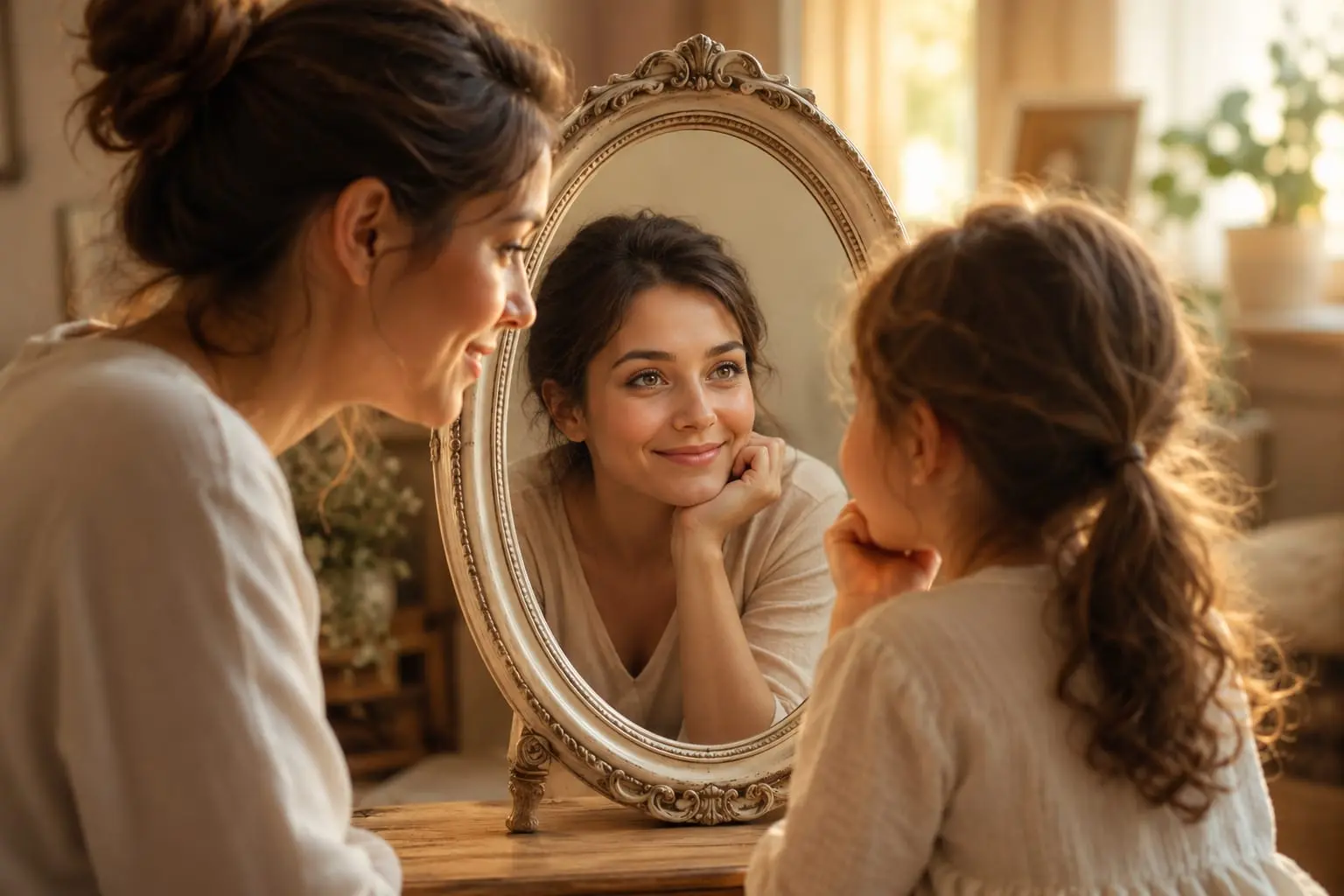
A child does not learn only from what we tell them. They learn from what they see, from what they experience, and from the way we treat them every day.
An overly protective mother believes she is shielding her child from suffering. She solves their problems, decides in their place, rescues them from any difficulty. But, without realizing it, she transmits a dangerous message: "You cannot do it alone." Later, that child may become an adult dependent on the approval of others, fearful in the face of decisions, and unsure of their own strength.
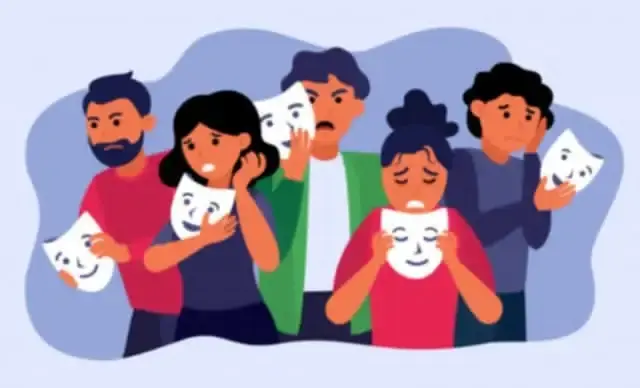
An emotionally very cold mother perhaps offers everything the child needs materially, but too little soul closeness. The child comes to believe they must earn love, that they are not good enough, or that emotions are a sign of weakness. As an adult, they may avoid close relationships or, on the contrary, may constantly seek validation from those around them.
An extremely critical mother, no matter how well-intentioned she is, shapes a child who begins to judge themselves. If they constantly hear that they could have done better, that they are not enough, or that they make mistakes too often, over time they lose the courage to try. The fear of failure becomes stronger than the desire to succeed.
At the opposite pole, the absence of any limits creates another difficulty. Children need love, but also rules. Limits are not punishments. They offer security, self-control, and respect for others.


There is also the parent who lives permanently with anxiety. Without intending to, they transmit to the child the idea that the world is a dangerous place, that every step hides a risk, and that they must fear the unknown. Over time, the child may become excessively cautious, anxious, and lacking in confidence.
And perhaps the most important thing: children do not do what we tell them. Children do what they see.
If they see us respecting people, they will learn respect. If they see us asking for forgiveness, they will learn responsibility. If they see us managing conflicts calmly, they will learn self-control. If they see us getting up after a failure, they will learn resilience.
The good news is that no parent needs to be perfect. Children do not need perfection. They need an authentic adult who acknowledges their mistakes, learns from them, and tries to be a little better every day.
Education does not mean raising obedient children. It means forming balanced adults, capable of loving, deciding, taking responsibility, and moving forward even when life becomes difficult.
Perhaps the most important question we should ask ourselves is not: "What kind of child do I want?"
But: "What kind of adult does my child see in me, every day?"
Comentarii
Fii primul care comentează.