Romania slashes budget deficit by 44% in first five months
Romania's interim prime minister Ilie Bolojan announced a significant 44% reduction in the country's budget deficit for the first five months of the year, bringing it down to 36 billion lei. This sharp fiscal contraction follows years of rising state spending and comes amid pressure from the EU and financial markets. Bolojan emphasized the importance of continued fiscal discipline for long-term economic health.

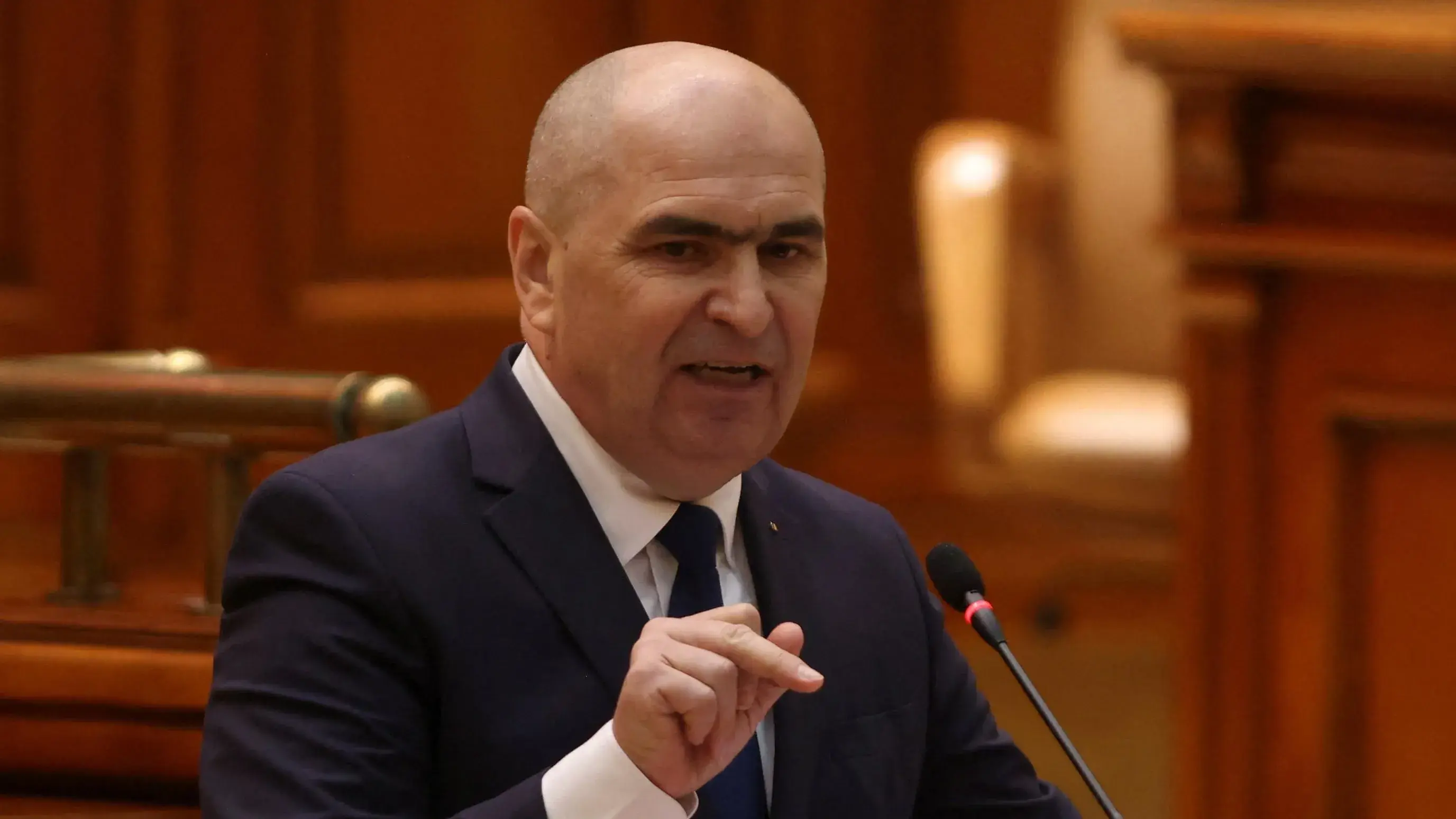
Romania cut its budget deficit to 36 billion lei in the first five months of this year, down from 64 billion lei in the same period last year, interim prime minister Ilie Bolojan announced Saturday on Facebook. The 28-billion-lei reduction represents a 44 percent drop, according to official budget execution data cited by Bolojan.
Bolojan described the contraction as "a first serious correction after years in which state spending grew far beyond what we produce." The interim leader posted a graph illustrating the downward trend alongside his statement.
"It is a clear sign the state spends closer to what it can afford," Bolojan wrote in the Facebook post. He added that the adjustment "could no longer be avoided."
The deficit reduction marks the sharpest fiscal contraction Romania has recorded in recent years. Pressure from European Union authorities and financial markets had mounted as Romania's deficit ballooned, raising concerns about debt sustainability and compliance with EU fiscal targets that limit member states to a deficit of 3 percent of GDP.
Bolojan used a medical analogy to frame the adjustment. "The deficit correction resembles treating an illness," he wrote. "To be well, in the first stage of treatment, it might get worse. It is the path to recovery."
The interim prime minister argued that continued fiscal discipline could free up resources currently devoted to debt servicing. "If we continue to care for the state's health," Bolojan stated, future funds could be redirected toward "development, prosperity, and better public services."
He warned against backsliding. "The illness can return," Bolojan cautioned. "Populism, clientelism, and waste can bring us back to the wall."
The finance ministry has not yet published a detailed breakdown of the underlying spending cuts or revenue increases that produced the deficit reduction. Analysts have pointed to likely factors including cuts in capital spending, tighter controls on public procurement, and efforts to boost tax collection. A more detailed report is expected in the coming weeks.
Opposition parties have argued that the adjustment relies too heavily on reduced investment and delayed payments, though official data on these components remains pending.
Bolojan thanked Romanian citizens "for getting through this period," acknowledging the impact of fiscal adjustments on the population. The government has implemented a series of measures in recent months aimed at curbing spending and increasing tax compliance, though full details of the policy mix remain subject to parliamentary debate.
Romania's deficit had reached 64 billion lei in the first five months of 2024, a level that triggered warnings from international lenders and credit rating agencies. The reduction to 36 billion lei in 2025 brings the deficit closer to the government's stated targets and may ease external financing pressures.
Fiscal consolidation has been a contentious issue in Romanian politics. Previous governments struggled to implement sustained spending controls, often citing the need to protect social programs and public sector wages. Bolojan's interim cabinet, appointed after the collapse of the previous government, has prioritized deficit reduction in its short mandate.
The European Commission has repeatedly urged Romania to align its budget deficit with EU rules. While the latest figures represent progress, further adjustments may be required to meet the 3 percent threshold by year-end. Bolojan's warning about "populism, clientelism, and waste" echoes concerns raised by EU officials about the risks of fiscal slippage during election years.
Several Central and Eastern European states face similar challenges, balancing demands for public investment with the need to maintain fiscal credibility. The Romanian case, with its sharp deficit correction in a single year, is being closely watched by investors and neighboring countries as a test for the viability of rapid fiscal consolidation under political and economic pressure.
Bolojan's announcement did not specify which budget categories contributed most to the deficit reduction. Until the finance ministry releases its detailed report, the headline figure remains the centerpiece of the government's fiscal narrative.
The interim government is staking its credibility on the sharpest fiscal correction in recent memory. According to Bolojan's announcement, the 44 percent reduction in the budget deficit was achieved through stricter spending controls implemented in the first five months of 2024.
Comentarii
Fii primul care comentează.