Trump floats 'Trump Strait' rebrand as Iran seizes smuggling vessel
President Donald Trump has suggested renaming the Strait of Hormuz to the 'Trump Strait', asserting US dominance over the strategic waterway. This proposal comes amid increased tensions with Iran, following a series of military and political developments in the region involving the US, Iran, and Israel.

Arhivă
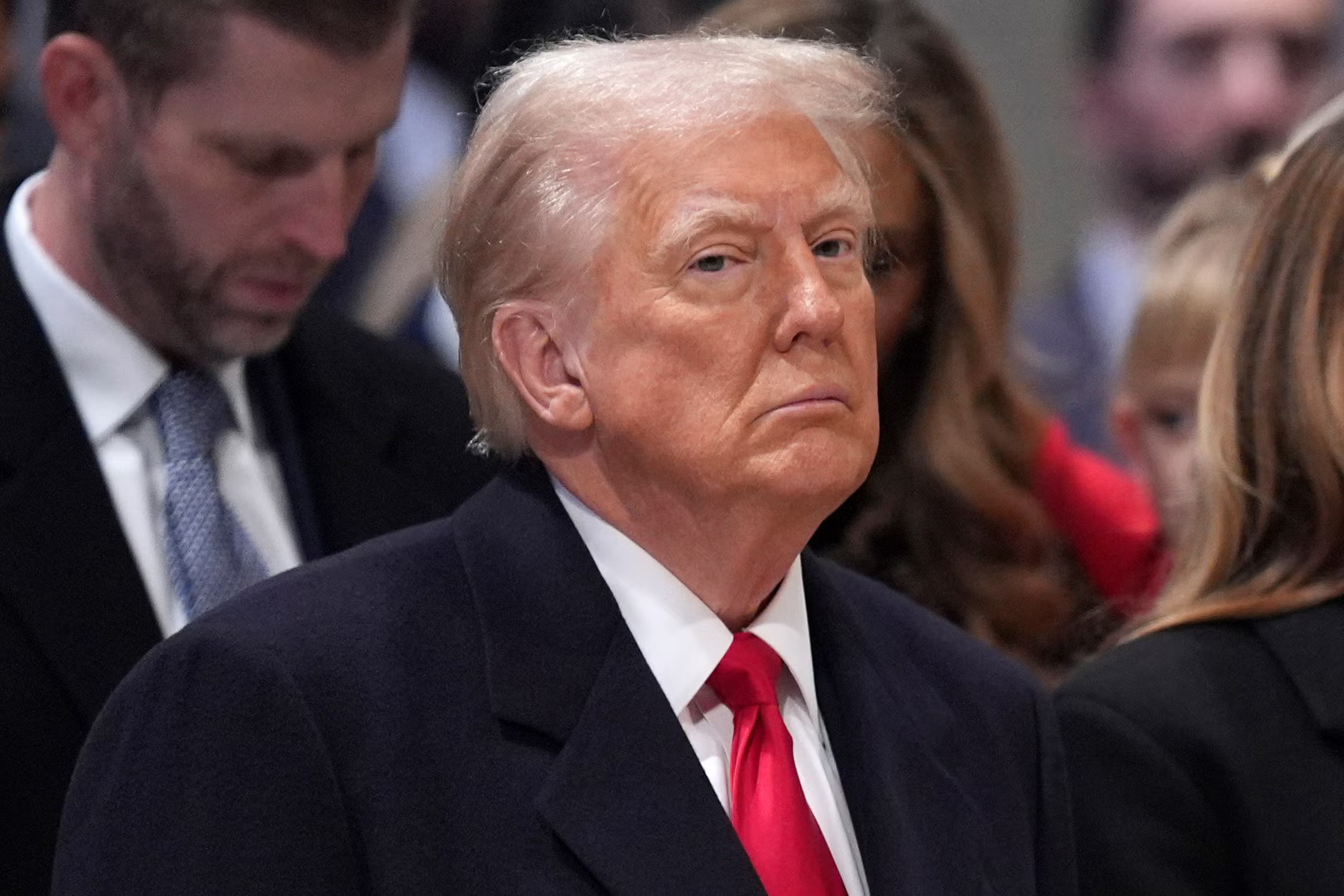
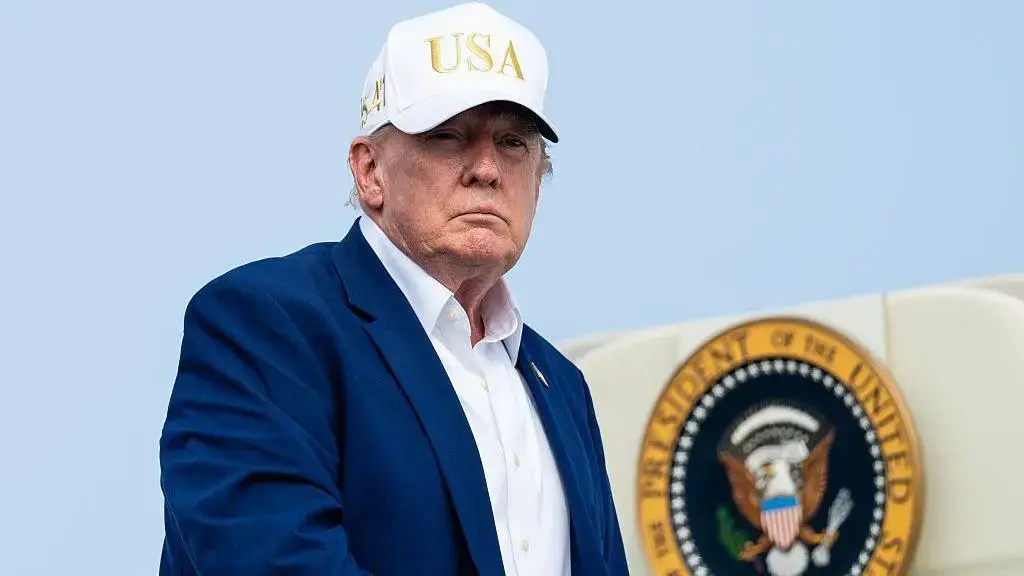
President Donald Trump proposed renaming the Strait of Hormuz the 'Trump Strait', declaring the strategic waterway now sits under US control. Trump questioned whether the name should change to reflect what he called a new reality, even as Iranian forces seized a fuel-smuggling vessel in the northern Gulf carrying 382,000 litres of contraband.
Iranian border guards arrested eleven foreign crew members aboard the vessel. The seizure forms part of Tehran's campaign against fuel smuggling, a problem driven by domestic prices kept artificially low. The Strait of Hormuz remains a critical chokepoint through which roughly one-fifth of global oil supply passes daily, making any shift in control a matter of international concern.
Israeli Prime Minister Benjamin Netanyahu visited Israeli forces in the Gaza Strip on Tuesday, his first trip to the territory since the October 2025 ceasefire with Hamas. "We control the area. We are not retreating. We are staying on this line," Netanyahu told troops, pledging that Israeli soldiers would not withdraw despite a proposed ceasefire plan. The visit highlight the gap between military posture and diplomatic negotiation in Gaza.
Israeli Defence Minister Israel Katz said plans are being drawn up to relocate Gaza's population, contingent on US approval. "There is no real solution for Gaza in the end without this migration," Katz told reporters, framing the proposal as both humanitarian and strategic. The statement drew no immediate public response from Washington.
US Central Command denied targeting civilians in a recent strike after Iranian media reported four deaths at a wedding in Sirik, southern Iran. "The US military never targets civilians, unlike the Revolutionary Guards," CENTCOM said in a statement, rejecting the allegations. Iran's foreign ministry spokesman, Esmaeil Baghaei, condemned the attack as a "war crime," escalating diplomatic friction between Tehran and Washington.
Iraq reported oil exports of 2.34 million barrels per day in August, up sharply from 1.35 million barrels per day in July. The increase followed favorable profit margins and Iranian approval, which encouraged buyers to lift more crude. Iraq remains the only Gulf producer explicitly permitted by Tehran to transit the Strait of Hormuz, a position that has allowed Baghdad to benefit from regional tensions while other exporters face constraints.
Mohsen Rezaei, secretary of Iran's Supreme National Security Council, warned the United States of a "new strategy" in the Middle East conflict. The warning came after the heaviest exchange of attacks in weeks, suggesting Tehran may be preparing to shift its military or diplomatic approach. Rezaei did not elaborate on what the new strategy would entail.
Katz affirmed Israel's readiness to respond "with great force" if Iran launches an attack. "Our planes are ready to take off," he said, signaling that Israel would not wait for a second strike before retaliating. The statement followed a series of cross-border incidents that have raised fears of a wider regional war.
The convergence of Trump's renaming proposal, Iranian fuel seizures, and Netanyahu's Gaza visit illustrates how military actions, political gestures, and economic pressures overlap in the Middle East. Trump's suggestion to rebrand the Strait of Hormuz drew no formal response from Tehran, though Iranian officials have previously rejected any notion of ceding control over the waterway. The strait lies between Iran and Oman, with Iranian territorial waters covering the northern half of the shipping lane.
Netanyahu's visit to Gaza came as ceasefire talks stalled over the question of Israeli troop withdrawal. Hamas has demanded a full pullout as a precondition for any long-term agreement, while Netanyahu has insisted on maintaining a military presence to prevent the group from rearming. The impasse has left the ceasefire fragile, with sporadic clashes continuing despite the October truce.
Iraq's export surge has given Baghdad use in OPEC discussions, where members have debated production cuts to stabilize prices. Iraqi officials have argued that the country's unique transit arrangement with Iran justifies higher output, a position that has met resistance from Saudi Arabia and the United Arab Emirates. The dispute has delayed agreement on new quotas.
The wedding strike in Sirik marked the first reported US military action inside Iranian territory since hostilities escalated in the Gulf. Iranian state media published images of what it said were civilian casualties, though CENTCOM has not confirmed the strike took place. The incident has complicated efforts by European mediators to arrange indirect talks between Washington and Tehran.
Katz's migration proposal for Gaza drew immediate criticism from Palestinian officials, who called it a plan for forced displacement. The Palestinian Authority said any attempt to relocate Gaza's population would constitute a war crime under international law. Katz has not specified where Gaza's residents would be moved or how the transfer would be carried out.
Rezaei's warning of a new Iranian strategy followed reports that Tehran has been stockpiling precision-guided missiles near the Iraqi border. US intelligence officials told reporters the buildup suggests Iran may be preparing to strike Israeli or American targets in the region, though no imminent attack has been detected. Israel has conducted airstrikes on Iranian weapons depots in Syria in recent weeks, aiming to disrupt supply lines to Hezbollah.
The Strait of Hormuz has been the site of multiple confrontations between US and Iranian forces over the past year. Iranian speedboats have approached American warships on several occasions, prompting warning shots. The US Navy maintains a carrier strike group in the Gulf, while Iran has deployed anti-ship missiles along its southern coast. Neither side has closed the strait, though both have threatened to do so if attacked.
Comentarii
Fii primul care comentează.

Retired General McCaffrey calls US military campaign against Iran 'strategic catastrophe'
UAE denies releasing frozen Iranian funds amid regional tensions

Fiction Reading Boosts Cognitive Skills, Psychologist Argues