US cuts NATO military support, urges allies to fill gap
The United States is reducing its military contributions to NATO, shifting focus away from Europe. This move, announced by US General Alexus Grynkewich, calls for European allies and Canada to step up their military commitments, particularly in air and naval forces.
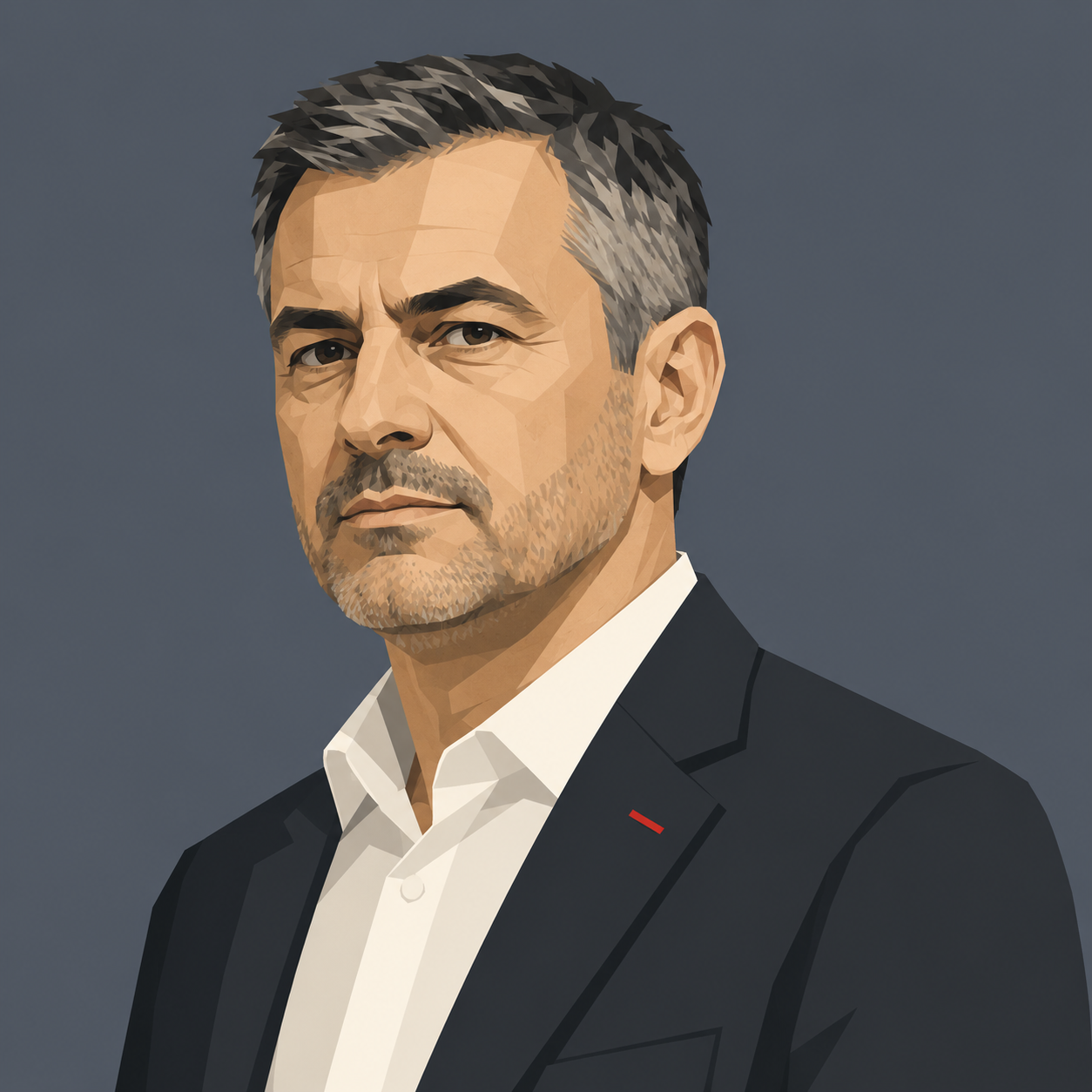
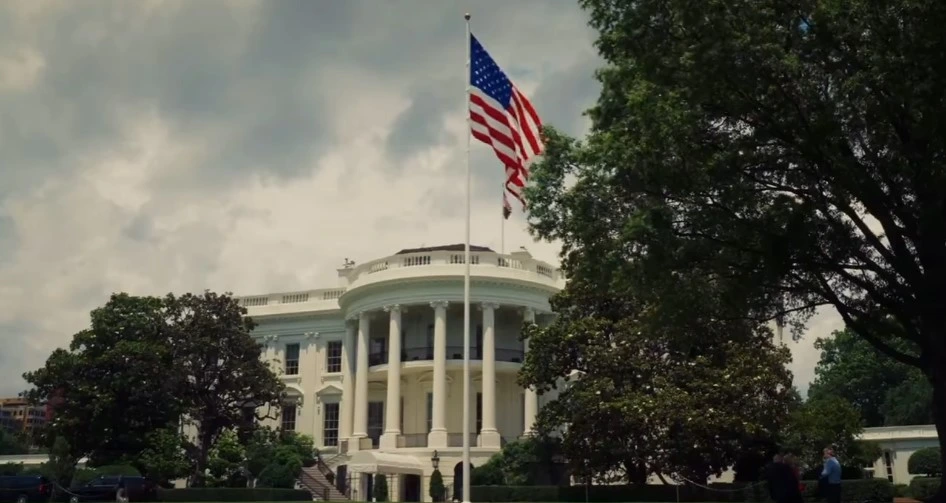
The United States is scaling back its military contributions to NATO, urging European allies and Canada to strengthen their air and naval forces. This strategic shift, disclosed last month, marks a significant reduction in the US commitment to NATO's Force Model, which includes capacities for crisis activation. US General Alexus Grynkewich, Supreme Allied Commander Europe, indicated on Wednesday that the US would decrease its fighter jet numbers for NATO by one-third and provide fewer destroyers and no submarines for crisis capacity.
This announcement came after a meeting of NATO military planners, highlighting an "unhealthy co-dependency" on US forces that must change, according to Grynkewich. The Trump administration's decision to reduce US military capabilities allocated to NATO arises amid concerns over potential simultaneous conflicts in multiple theaters. President Trump and Secretary Hegseth have both emphasized the need for NATO to overcome its reliance on American military power.
The immediate impact of these reductions is a call to action for European NATO allies and Canada. General Grynkewich stated that these countries could intensify their efforts in air and naval domains short-term. The expectation is clear: allies must fill the gap left by the US withdrawal to maintain NATO's operational readiness.
NATO, facing unprecedented pressure, is now reliant on increased allied contributions to sustain its defense plans. The reduction in US military presence, including the withdrawal of 5,000 soldiers from Germany, has heightened concerns about a potential US withdrawal from NATO altogether. The US policy shift also entails a significant reduction in armed drone supply, further complicating NATO's crisis response capabilities.

European states, in response, will need to supply their own reconnaissance drones to mitigate this shortfall. Spain's recent suspension from NATO, after avoiding support for US policy in the Middle East conflict, adds another layer of complexity to the alliance's challenges. The lack of cohesion on international policy fronts underscores the necessity for a more self-sufficient European defense posture.
Reuters, which first transmitted General Grynkewich's statement, reported that this was the first public indication of the US's planned reductions, further detailed in a Der Spiegel article last week. The article laid out the scope of US military reductions for NATO, reinforcing the urgency for European allies to step up their contributions. The strategic reorientation of US forces away from Europe is part of a broader realignment of American military priorities.
While the US has historically been NATO's largest contributor, this pivot reflects a shift in focus to other global regions. NATO's military planners, who convened on Wednesday, are tasked with reconfiguring defense strategies to adapt to the new reality. This involves not only enhancing European air and naval capabilities but also addressing the broader implications of reduced US involvement.
The next steps for NATO involve a critical evaluation of its Force Model and the development of a sustainable plan for increased European and Canadian contributions. As the alliance navigates these changes, the upcoming defense meetings will be key in shaping NATO's future strategy. The urgency for a cohesive response is palpable, as European states grapple with the implications of a lessened US military presence.
The call for increased contributions is not just about filling a numerical gap but also about ensuring that NATO remains a formidable defense alliance capable of responding to crises effectively. As the situation unfolds, all eyes will be on NATO's ability to adapt and the willingness of European allies and Canada to rise to the challenge. The stakes are high, and the decisions made in the coming months will determine the alliance's capacity to maintain its strategic edge.
Comentarii
Fii primul care comentează.