Romania Weighs Potential Gains and Risks of Oil Profit Tax
Six EU countries propose taxing oil companies' extraordinary profits. Economists warn this could raise consumer prices. Romania's revenue collection is below EU average. Rompetrol Rafinărie saw a profit surge in 2026, contrasting losses in 2025. Romania might resist the tax due to industry lobbying.

Foto: Arhivă
A proposal by six European Union member states to tax the extraordinary profits of oil companies has sparked a debate about its potential impact on Romania's economy. Germany, Italy, Austria, Poland, Portugal, and Spain have collectively urged Ireland's Finance Minister, who currently holds the EU presidency, to include this tax initiative in the upcoming EU Finance Ministers' meeting scheduled for next month in Dublin.
The proposed tax aims to capitalize on the recent surge in oil company profits, a phenomenon partly attributed to disruptions such as the Ormuz Strait blockage. For example, Rompetrol Rafinărie reported a net profit of $40.4 million in the first half of 2026, a significant turnaround from a $53 million loss during the same period in 2025. This dramatic shift illustrates the scale of profit increases in the sector. Industry that such windfalls have become common across European oil companies. The timing of the tax proposal reflects growing public pressure to capture these gains for state budgets.
Economist Christian Năsulea sees the tax as a timely opportunity for states to boost their finances. However, he cautions that the burden of the tax could be shifted onto consumers. "The tax can ultimately reach the price paid by the consumer," he stated. Companies might preemptively increase prices to offset potential tax liabilities.
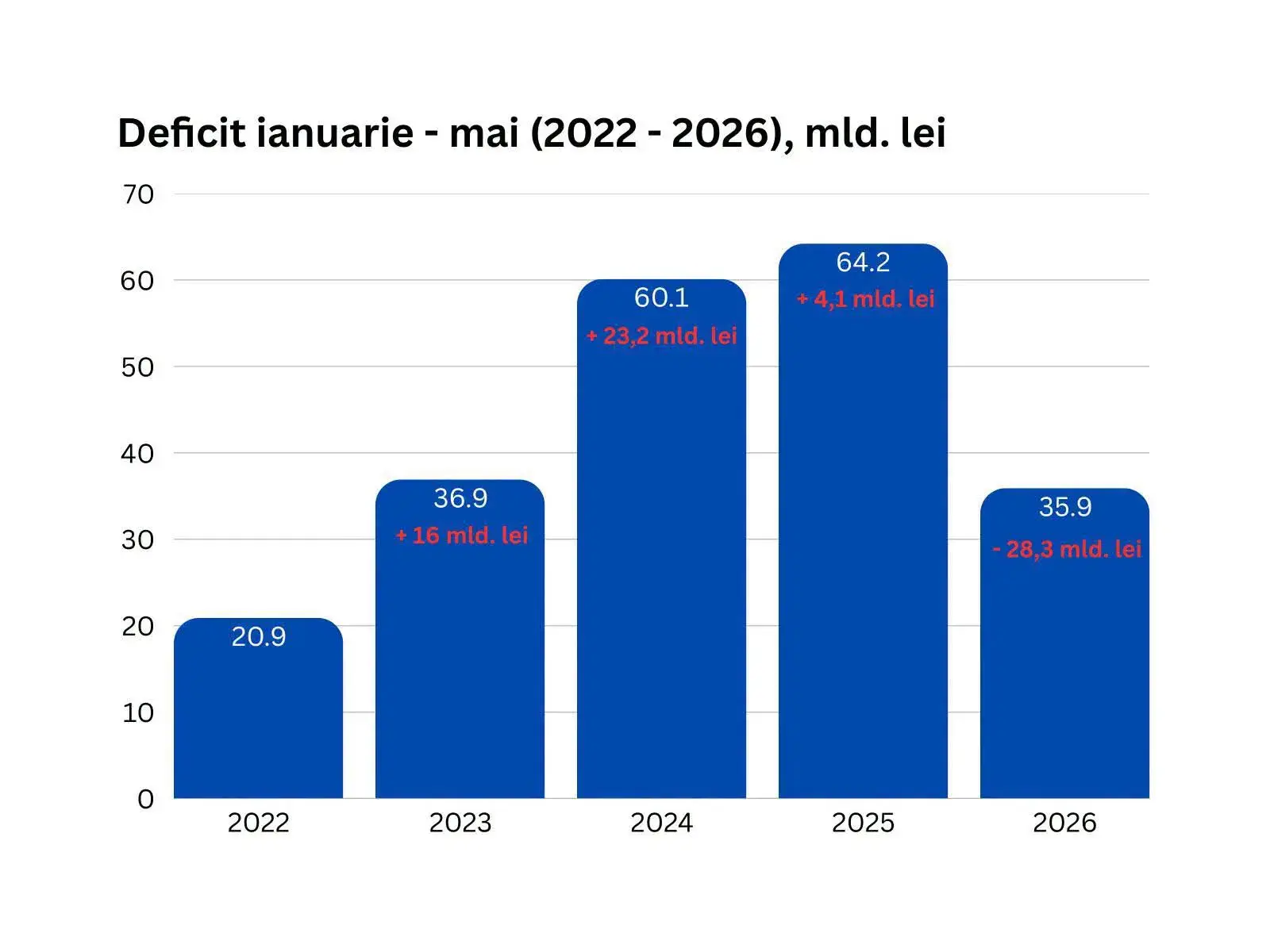

Romania's fiscal situation presents a compelling case for considering such a tax. The country's revenue collection is notably lower than the European average, with public revenue accounting for just 35.4% of GDP in 2025, compared to the EU average of 40%. Economist Andrei Mocearov supports the tax. He argues that it could significantly benefit Romania's budget, which struggles with deficits due to its low revenue collection capacity.
Despite these potential benefits, Romania has not joined the six countries advocating for the tax. Mocearov suggests that strong lobbying by the oil industry might influence Romania's stance against the measure. He also highlights that if Romania were to collect revenue at the EU average rate, it could add 214 billion lei to the national budget, effectively eliminating the deficit.
Financial data from Eurostat and the OECD further highlight Romania's fiscal challenges. In 2025, tax and social contributions amounted to 29.2% of GDP, far below the EU average. Public sector employee costs represented 10.5% of GDP, accounting for 29% of total public revenue. Meanwhile, the public workforce comprised 17.36% of Romania's total labor force, slightly below the OECD average.
As the EU Finance Ministers' meeting approaches, Romania faces a critical decision. Balancing the potential fiscal gains from taxing oil profits against the risk of consumer price increases will require careful consideration of both economic and political factors.
Source: adevarul.ro
Comentarii
Fii primul care comentează.