Rabla funds for eco-friendly vehicles vanish in minutes as demand soars
Romania's Rabla Program experienced overwhelming demand, with funds for motorcycles exhausted in one minute and electric vehicles in five. This surge highlight a growing consumer trend towards eco-friendly transportation.

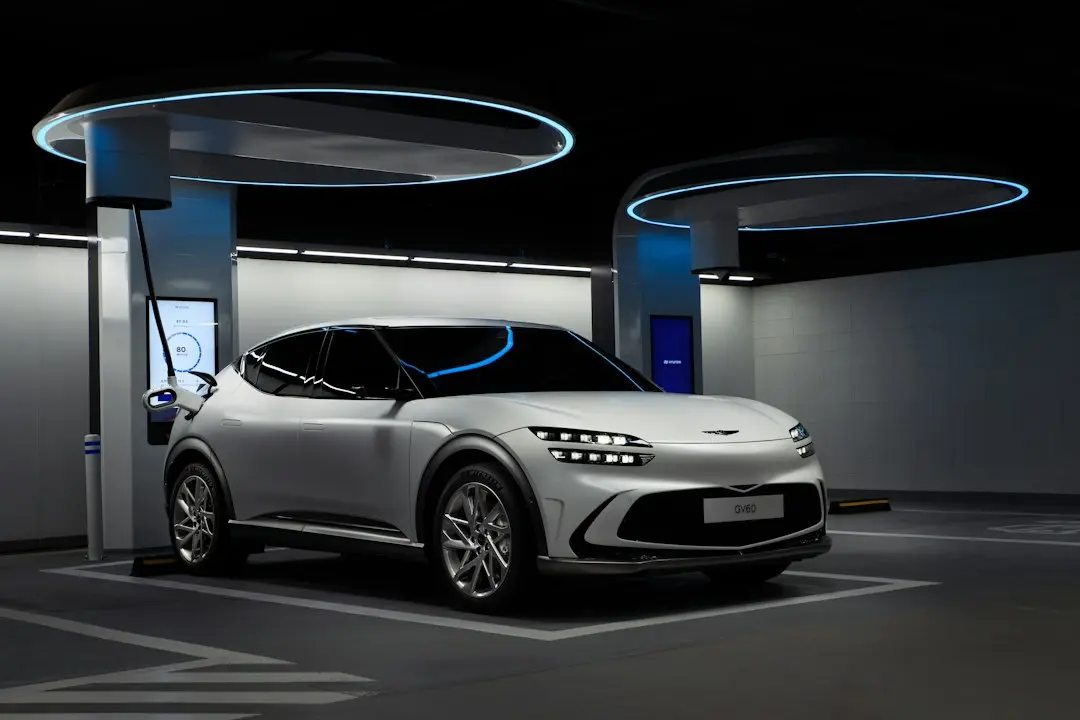
Foto: Hyundai Motor Group / Unsplash
Romania's Rabla Program, aimed at promoting eco-friendly vehicles through financial incentives, witnessed an extraordinary surge in consumer interest as funds for motorcycles and electric vehicles were depleted almost immediately. The program reports that the budget for motorcycles was exhausted in just one minute after launch, while allocations for electric and hybrid vehicles were claimed within five minutes. This rapid depletion highlight the program's immense appeal and the growing shift among Romanian consumers towards sustainable transportation options.
The Rabla Program has long been a magnet for Romanian consumers, offering substantial discounts on new vehicle purchases through approximately 3,200 eco-vouchers in its latest session. These vouchers were quickly snapped up, reflecting both the program's popularity and the increasing demand for eco-friendly vehicles.
Even funds designated for vehicles with internal combustion engines were claimed swiftly, highlighting the program's extensive reach. The speed of this depletion indicates a strong consumer preference for transitioning to more sustainable modes of transport.
A part of Romania's broader strategy to cut carbon emissions and promote sustainable energy use, the Rabla Program incentivizes the purchase of electric and hybrid vehicles, supporting governmental environmental goals while catering to rising consumer interest in green technology. Its success demonstrates the effectiveness of financial incentives in steering consumer behavior towards sustainable choices.
Automotive industry experts observe that the Rabla Program's popularity mirrors a larger trend. As environmental awareness grows, more consumers are opting for vehicles with reduced environmental impact. This shift isn't unique to Romania; it reflects a global transition towards sustainability, driven by both consumer demand and regulatory changes.
Despite its success, challenges remain. The rapid depletion of funds suggests that current budget allocations may be insufficient to meet high demand. A reevaluation of funding levels might be necessary to ensure more consumers benefit from these incentives. There is a pressing need to expand infrastructure support, such as charging stations for electric vehicles, to accommodate the increasing number of eco-friendly vehicles.
The Romanian government has confirmed its commitment to continuing the Rabla Program, with plans to increase funding in future sessions. This commitment aligns with broader environmental objectives and Romania's ambition to lead in sustainable transportation.
As the Rabla Program evolves, addressing these challenges will be important to maintaining its momentum and effectiveness. The program's ability to generate significant consumer interest in sustainable vehicles is promising, yet its long-term success hinges on adapting to the changing needs of consumers and the automotive market. The recent session of the Rabla Program highlights both its success and growing consumer demand for eco-friendly transportation. The rapid fund depletion emphasizes the necessity for ongoing support and adaptation to meet Romanian consumers' needs and contribute to the nation's environmental goals.
Comentarii
Fii primul care comentează.