Iran to impose Strait of Hormuz maritime tax within two months
Iran announced plans to implement maritime taxes in the Strait of Hormuz within two months. This move follows 60-day negotiations with the United States. Tehran claims a historic victory over the US, asserting control over the strait. Western officials warn that the new tax regime could impact navigation freedom. Meanwhile, the US and Iran reached an agreement aiming to lift oil sanctions.

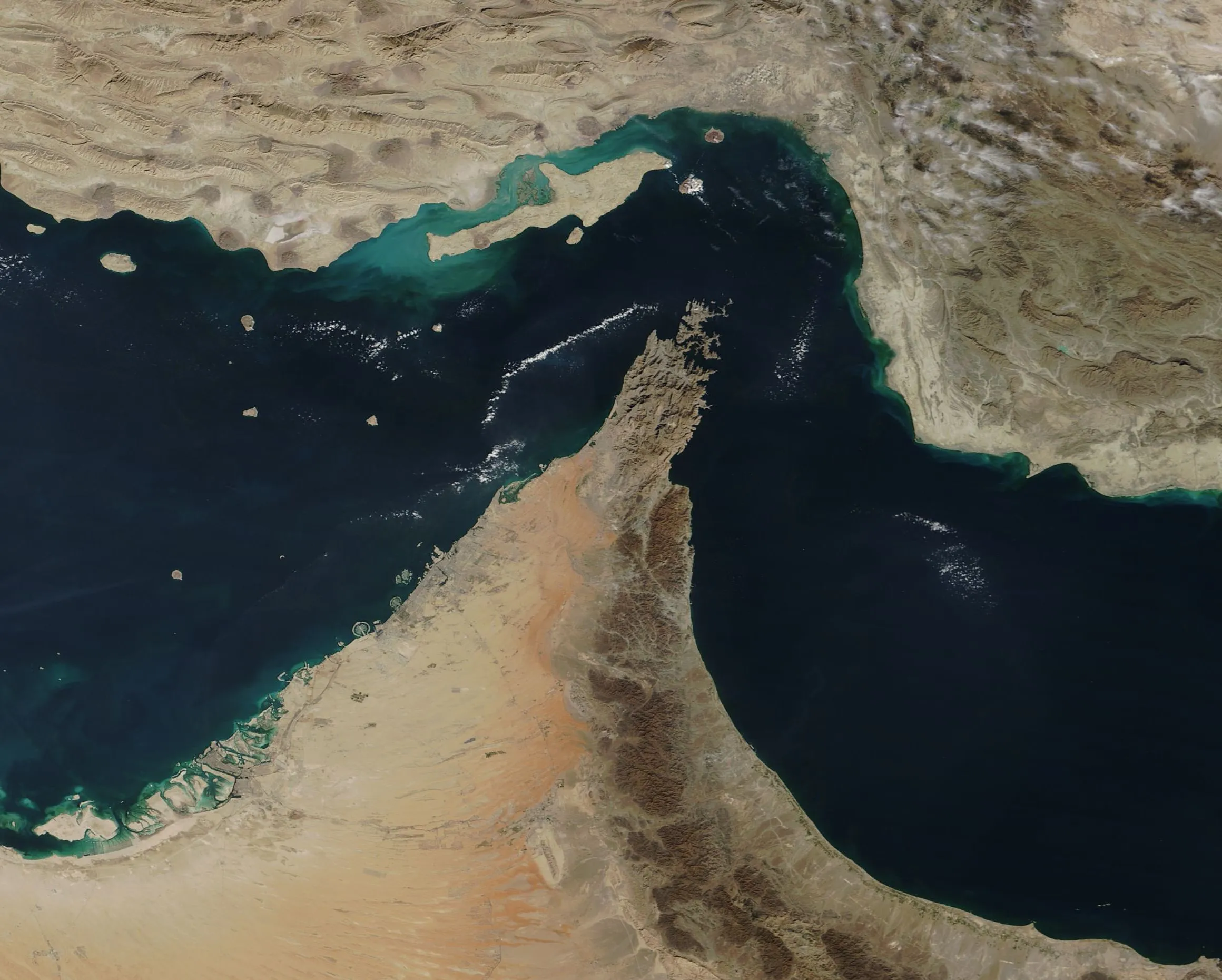
Iran will impose maritime taxes in the Strait of Hormuz within two months, Tehran announced, raising alarm across the Middle East over the future of one of the world's most critical shipping lanes.
The plan follows a 60-day negotiation window with the United States under a memorandum signed by both governments. Iranian officials have called the agreement a historic victory, asserting Tehran's authority over the waterway through which roughly a fifth of global oil passes.
The talks, brokered by Washington with backing from President Donald Trump, aim to restore commercial traffic through the strait and address technical aspects of lifting sanctions on Iranian oil exports. The framework includes 14 incremental steps, according to sources familiar with the agreement. "We encourage everyone.

Western and regional officials warn the tax could undermine freedom of navigation, a principle enshrined in international maritime law. Saudi Arabian and UAE representatives noted that passage through the strait has historically operated without incident. "Management of the strait worked well before conflict," Saudi Foreign Minister Prince Faisal bin Farhan Al Saud said.
Israeli Prime Minister Benjamin Netanyahu restated Israel's position that Iran must not acquire nuclear weapons and voiced support for a security zone in southern Lebanon. Hezbollah has claimed attacks on Israeli forces in recent days; Israel confirmed its military operations in the region will continue.
US Vice President JD Vance defended the administration's strategy, emphasizing Washington's commitment to stability in the Gulf. Iranian leaders argue that economic and geopolitical pressure forced the negotiations, though they acknowledge sanctions relief will not produce immediate results. "It's not as if everything will simply return to normal," Economy Minister Seyed Ali Madanizadeh said, citing persistent budget shortfalls and constrained oil revenue.
Tehran estimates a swift economic recovery remains unlikely even if sanctions ease, reflecting the broader uncertainty surrounding the accord and its implementation.
Comentarii
Fii primul care comentează.