High Court rejects salary draft, warns of executive overreach on judicial pay
Romania's High Court of Cassation and Justice, led by Lia Savonea, has condemned the draft salary law for public sector personnel, citing violations of judicial independence and balance of power. The court warns of executive overreach and potential inequalities.

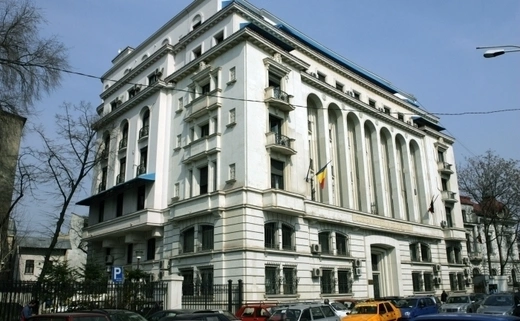
The High Court of Cassation and Justice issued a formal rejection on Tuesday of the government's draft law on public sector salaries, warning that the proposal grants the executive branch excessive control over judicial compensation and violates constitutional principles governing the separation of powers. The court, led by Lia Savonea, described the draft as profoundly flawed and called for magistrates to remain covered by a separate salary law as stipulated under existing legislation. The court's statement, transmitted on June 2, 2026, identifies a structural problem at the center of the draft: necessary elements of the salary system—including the reference value for salary determination, the methodology for evaluating judicial functions, and the criteria for establishing salary grades—are transferred to the government's competence without establishing objective or verifiable criteria in law.
The transfer also occurs without the institutional participation of the Superior Council of Magistracy, the body responsible for safeguarding judicial independence. According to the High Court, this arrangement creates the conditions for excessive influence by the executive power over both the professional status and the remuneration of personnel within the judicial system. The court argues that the draft law diminishes the constitutional position of the judicial authority relative to other branches of government and disregards the judiciary's place in the state's institutional architecture.
Article 205, paragraph two, second thesis of Law 303 from 2022 stipulates that the salaries of judges and prosecutors are to be established by special law, a provision the court says the draft ignores. The High Court warns that the proposed law would deepen inequalities among categories of personnel within the budgetary system, violating principles the draft itself claims to uphold: legal security, protection of legitimate trust, equality, and objective differentiation criteria for salaries. The court states that the draft fails to correlate salaries with the complexity, responsibility, and professional experience required of judicial roles, and that it would diminish current salary rights without justification.
Such provisions, the statement says, violate principles of proportionality, the hierarchy of judicial functions, and criteria tied to the level of courts and prosecutor's offices. The court has announced it will wait for the installation of the new government before engaging in further discussions on justice personnel salaries. It pledged to support all necessary steps to defend the rights and legitimate interests of magistrates, stating it does not exclude resorting to other forms of action to ensure those rights are respected.


The statement does not specify what those actions might include, but the language signals the court's willingness to escalate if the draft advances without revision. The controversy over the public sector salary law extends beyond the judiciary. The draft has drawn public criticism for provisions that would increase income for parliamentarians, prompting discussion of staggered implementation for dignitaries' salary increases.
The debate over compensation for public officials comes as the government faces broader fiscal pressures and questions about resource allocation across the budgetary system. The High Court's rejection follows President Nicușor Dan's promulgation on February 27, 2026, of the law on magistrates' pensions. That law introduces a phased increase in the retirement age to sixty-five years and caps pensions at seventy percent of the net allowance received in the last month of activity.
The pension law and the salary draft together represent a significant shift in how the state structures compensation and benefits for judicial personnel, a shift the High Court now argues threatens judicial independence. The court's statement emphasizes that the judiciary's constitutional role requires protection from political interference, and that salary arrangements are a critical component of that protection. By placing salary determination in the hands of the government without clear legal standards or input from the Superior Council of Magistracy, the draft creates a mechanism through which the executive could exert pressure on judges and prosecutors, the court argues.
The statement does not name individual officials responsible for drafting the law, but it directs its criticism at the structural choices embedded in the proposal. The future of the draft law now depends on the composition and priorities of the incoming government. The High Court has made clear it views the current version as incompatible with constitutional requirements and has signaled it will not accept implementation without substantive changes.
Whether the government will revise the draft to address the court's concerns, or whether the dispute will escalate into a broader institutional conflict, remains uncertain. The court has reserved the right to take further action, and the timeline for resolution is tied to the formation of the new government and its willingness to engage with the judiciary's objections.
Sursă: www.monitorulcj.ro
Comentarii
Fii primul care comentează.