Minister faces crisis over leaked recording
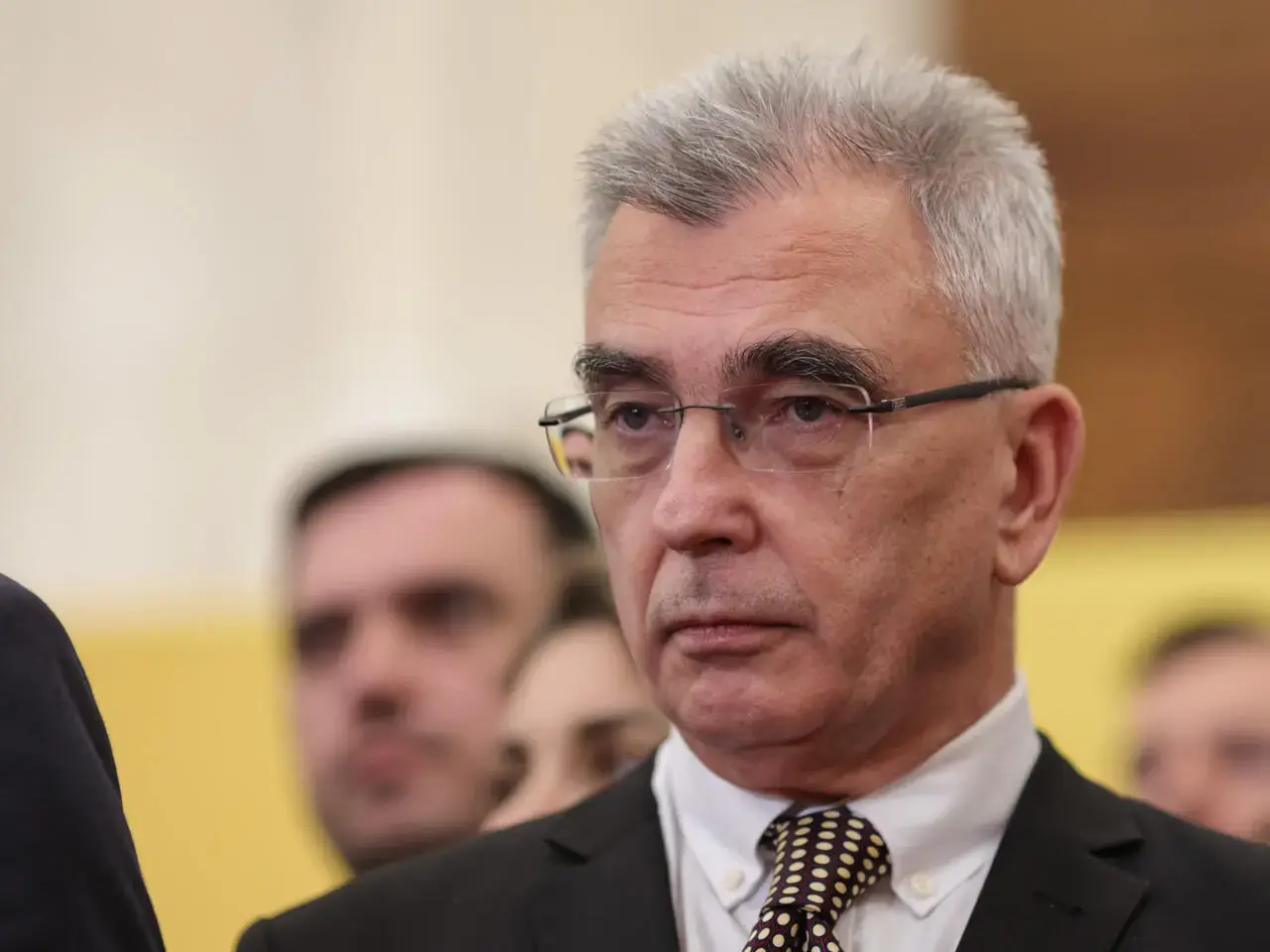
Minister of Culture Demeter András István faces a crisis after a recording of him cursing the Romanian state surfaced. UDMR demands his resignation, but he claims context was misunderstood.


@Mediafax
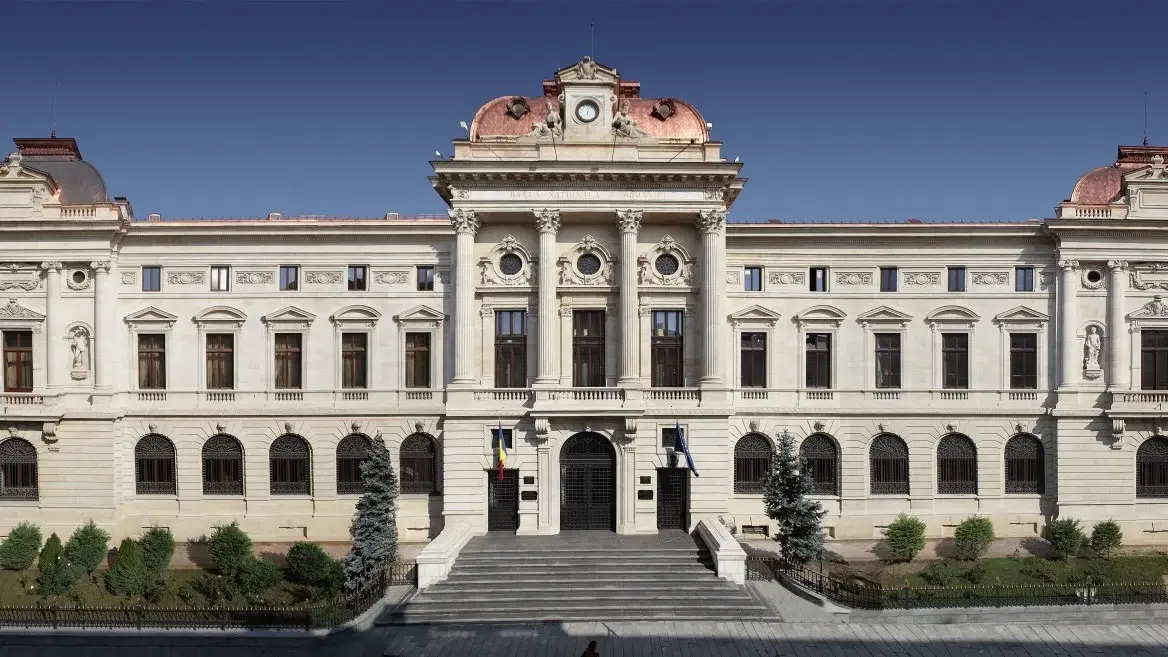
In the heart of Bucharest, where the echoes of history blend with the ambitions of modern politics, a storm has erupted over a recording involving the Minister of Culture, Demeter András István. The recording, which captures István cursing the Romanian state, has triggered a significant political crisis, demanding swift responses and raising questions about the integrity of public discourse.
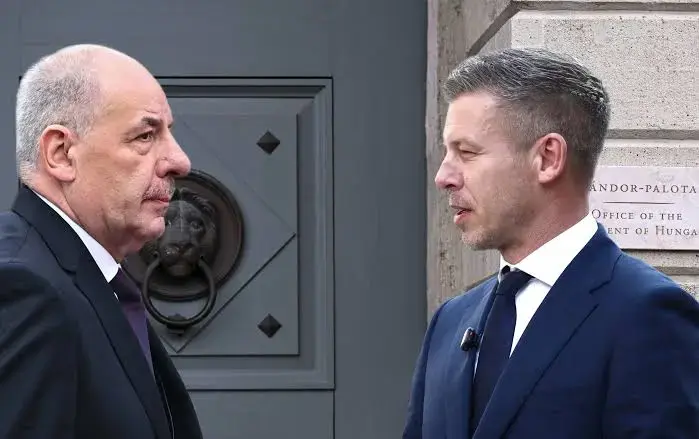
The incident has not gone unnoticed by political allies and opponents alike. The Democratic Alliance of Hungarians in Romania (UDMR), a key player in the country's political tapestry, has called for István's resignation. This demand underscores the gravity of the situation and reflects the potential repercussions for the current government coalition. The UDMR's position highlights the delicate balance of power and trust within Romanian politics.
Demeter András István, the central figure in this unfolding drama, has responded to the outcry by asserting that his comments were taken out of context. He claims that his words, which have now become a focal point of controversy, were part of a broader explanation of his efforts to safeguard Radio Chișinău from Moscow's influence. This defense suggests a more complex narrative than the recording alone reveals, inviting further scrutiny into the circumstances and motivations behind his statements.
The timing of this crisis is particularly sensitive. With Romania navigating a challenging political field, the incident threatens to destabilize alliances and disrupt legislative priorities. The call for István's resignation by the UDMR signals a potential fracture within the governing coalition, raising stakes for both domestic policy and international relations.

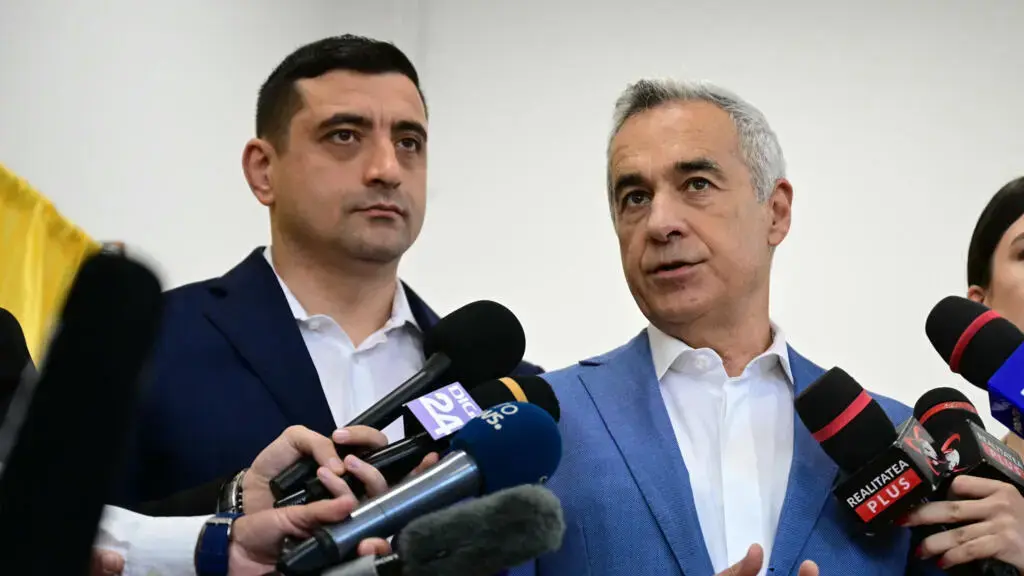
The recording's release has sparked a broader debate about the limits of political discourse and the responsibilities of public officials. Critics argue that such language undermines public trust and the dignity of office, while supporters of István might view this as an overblown reaction to a misunderstood situation. This dichotomy reflects the ongoing tension between transparency and political maneuvering.
In the broader context of Romanian politics, this crisis echoes past controversies where public figures have faced backlash over their rhetoric. The incident serves as a reminder of the ever-present scrutiny faced by those in power and the potential consequences of their words, whether in public or private settings.
Demeter András István's defense, centered on the protection of Radio Chișinău, introduces a geopolitical dimension to the narrative. By framing his remarks within the context of resisting Russian influence, István attempts to shift the focus from personal indiscretion to national interest. This strategy may resonate with certain segments of the public who prioritize sovereignty and cultural preservation.
As the situation develops, the government's response will be closely watched both domestically and internationally. The outcome could influence not only István's political future but also the stability of the current administration and its ability to govern effectively. The stakes are high, and the resolution of this crisis will likely set a precedent for how similar incidents are handled in the future.
While the immediate future remains uncertain, the incident underscores the critical role of communication and context in political life. As public officials navigate the complexities of their positions, the importance of measured discourse and the potential impact of their words cannot be overstated. The unfolding events will serve as a case study in the challenges of balancing transparency with political pragmatism.
Source: adevarul.ro
Comentarii
Fii primul care comentează.