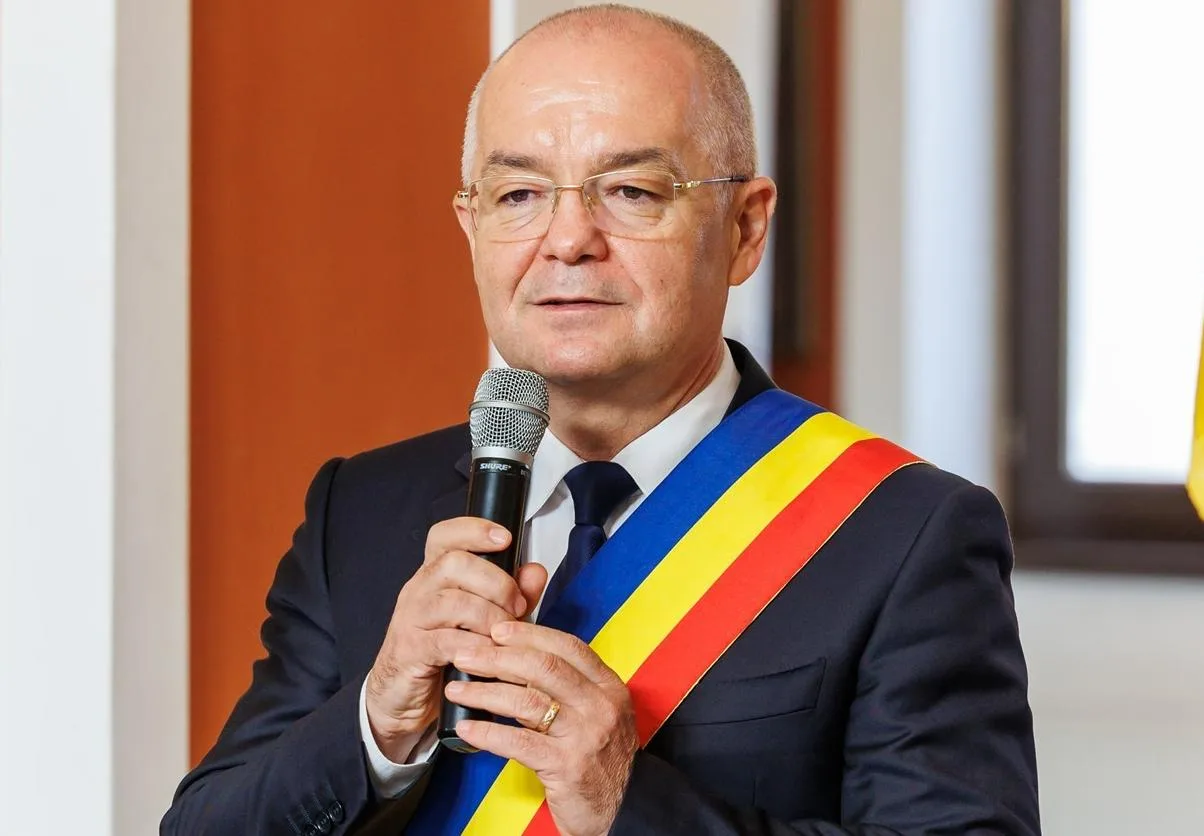
Chief architect who approves projects now leads architects' professional body
Claudiu Salanță, Cluj county's chief architect, was elected president of the Order of Architects of Romania, Transylvania Branch. His dual roles raise potential conflicts of interest, with Salanță emphasizing transparency and legal safeguards.
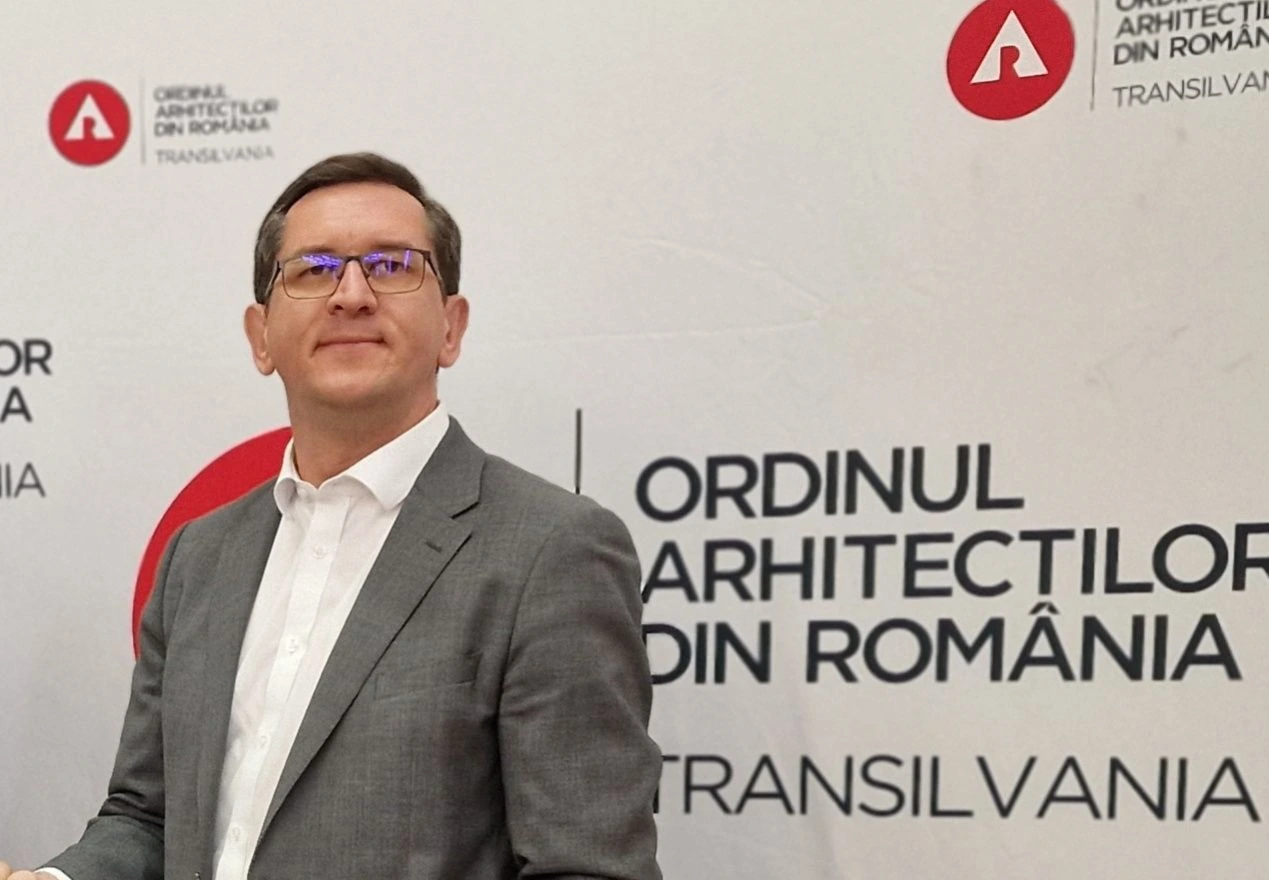
Claudiu Salanță, the chief architect of Cluj county, has been elected president of the Order of Architects of Romania, Transylvania Branch (OART). This dual role raises immediate concerns about a conflict of interest, as Salanță now oversees both the professional body for architects and the evaluation of their projects at the county level. The election, held last Friday, saw Salanță secure the presidency with 206 votes out of 265 valid votes cast, defeating his opponent Dan Ștefan Feliciu Domșa, who received 59 votes.
Salanță's new position places him at the helm of OART, a regional subdivision of the national Order of Architects of Romania (OAR), which is responsible for regulating the architectural profession. This includes granting the right to practice and maintaining disciplinary standards. However, Salanță emphasizes that the Transylvania Branch does not establish the right to sign nor does it have a disciplinary committee, as these are functions of the national OAR.
The potential conflict arises from Salanță's responsibilities as chief architect, where he approves projects submitted to the Urbanism Commission of the Cluj County Council. Salanță has assured that all documents reaching his desk are checked by at least two individuals prior, aiming to mitigate any perceived bias. He added that OART does not have the authority to verify the actions of the chief architect, nor does the chief architect have oversight over OART, suggesting a separation of powers on paper.
Salanță has referenced a precedent to justify his dual role. He pointed to Pătrașcu, the chief architect of Bucharest municipality, who previously served as the first vice-president of OAR at the national level. This precedent is used to argue that such dual roles can coexist without compromising professional integrity, though it remains a contentious point.

In response to concerns, Salanță stated his commitment to transparency, highlighting that the Cluj Territorial Urbanism and Architecture Commission (CTATU Cluj) is the most transparent in its operations. He noted that principles respected by the commission would soon be formalized into regulations, further ensuring that decisions are made openly and fairly. Salanță has indicated that he has the legal option to abstain from decisions either at OAR or at the Cluj County Council in situations where a conflict of interest might arise.
This self-regulatory measure is intended to prevent any undue influence that could stem from his overlapping roles. Despite these assurances, the dual role of Salanță continues to stir debate within the architectural community and beyond. The stakes are high as the integrity of public office and professional standards are at play.
Critics argue that no matter the safeguards, the perception of a conflict of interest could undermine public confidence in both the OART and the Cluj County Council. The election results and Salanță's subsequent statements have sparked discussions about the governance structures within Romanian architectural bodies. The potential for conflicts of interest in such dual roles may prompt a reevaluation of policies governing eligibility and conduct for leadership positions within professional organizations.
As the new president of OART, Salanță will now have to navigate these challenges while fulfilling his duties as chief architect. The architectural community will be closely watching his actions and decisions, scrutinizing how effectively he manages the potential conflicts and maintains the transparency he has promised. This situation underscores a broader issue within public administration and professional organizations in Romania, where overlapping roles can lead to questions of accountability and ethical governance.
The next significant decision point comes with the formalization of the CTATU Cluj's regulations, which will be a test of Salanță's commitment to transparency and ethical leadership.
Sursă: www.monitorulcj.ro
Comentarii
Fii primul care comentează.