Romania's Vice Prime Minister Unveils Bold State Company Reforms
Vice Prime Minister announces state company reforms. Merger of Electrocentrale Grup with SAPE.
ELCEN shares transfer to Bucharest Municipality. Emphasis on administrative efficiency.

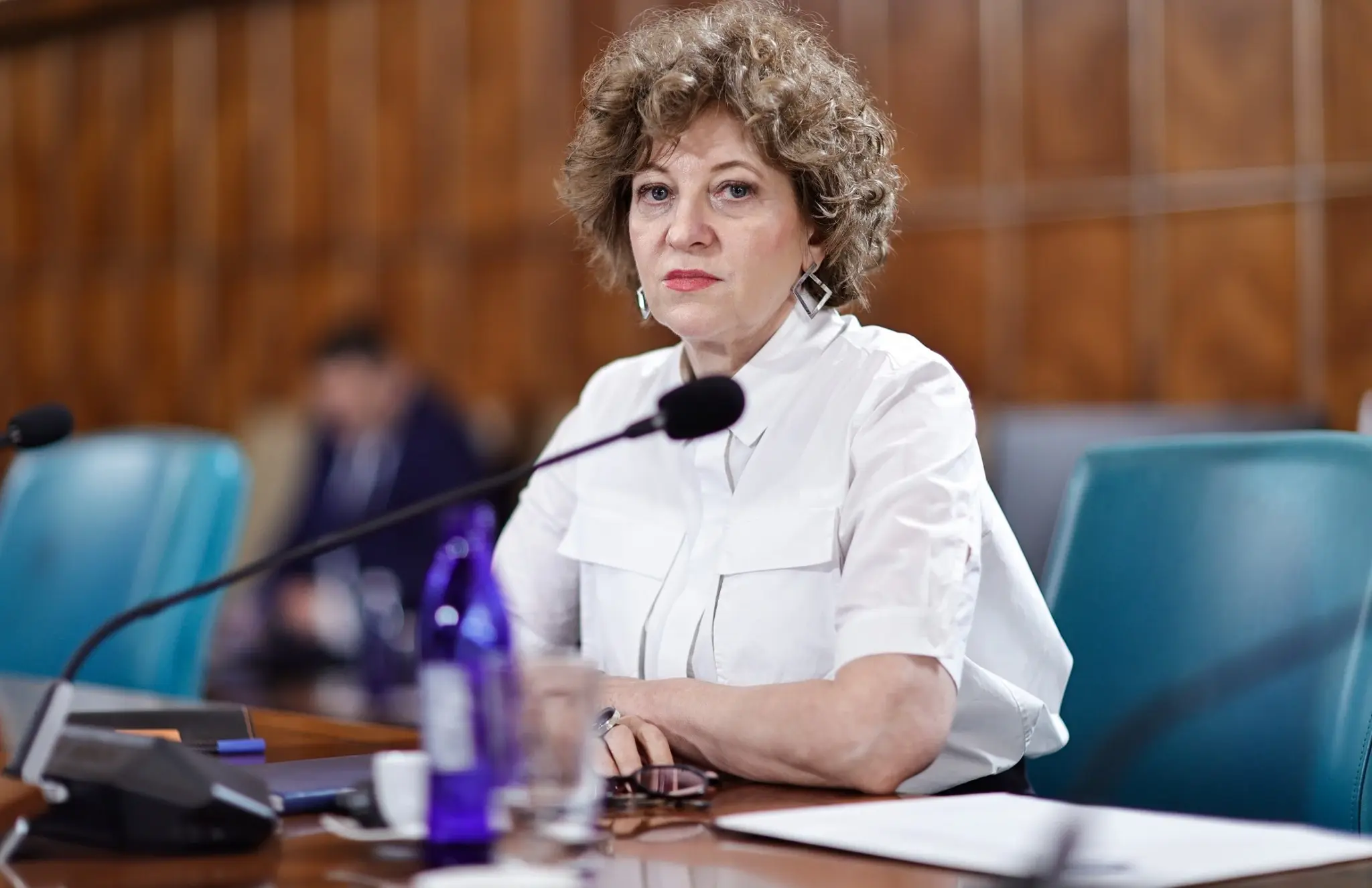
It's not every day that you wake up to news of sweeping reforms in the often stagnant world of state-owned enterprises. But today, Vice Prime Minister Oana Gheorgiu has shaken things up with a bold announcement. In an era where bureaucratic inertia often reigns supreme, Gheorgiu's declaration of two major reform measures for Romanian state-owned companies feels like a breath of fresh air.
The first measure involves the merger of Electrocentrale Grup SA with SAPE. This is not just a mundane administrative move but a strategic decision aimed at streamlining operations and enhancing efficiency. Gheorgiu described this as a 'cleanup' and a step towards good governance. The merger is set to eliminate duplicated functions, cut unnecessary administrative costs, and make better use of resources. As someone who's seen the inefficiencies within public sector companies firsthand, I can only applaud this move. It's about time that we stop maintaining separate entities just for the sake of preserving outdated administrative structures.
Electrocentrale Grup has been a financial drain, recording losses for 10 out of its 13 years of existence. The government's decision to approve the reduction of its social capital in preparation for the merger is a decisive step towards rectifying this. SAPE will take over the rights and obligations, integrating assets and liabilities into a coherent structure. This transformation promises not only to eliminate redundant support functions but also to better manage assets, including renewable energy projects.
Gheorgiu's words resonate with a call for simplicity and consolidation: 'We do not keep structures alive just because they exist. We do not maintain separate companies solely to preserve an inefficient administrative architecture.' This is the kind of decisive action that the public sector desperately needs.
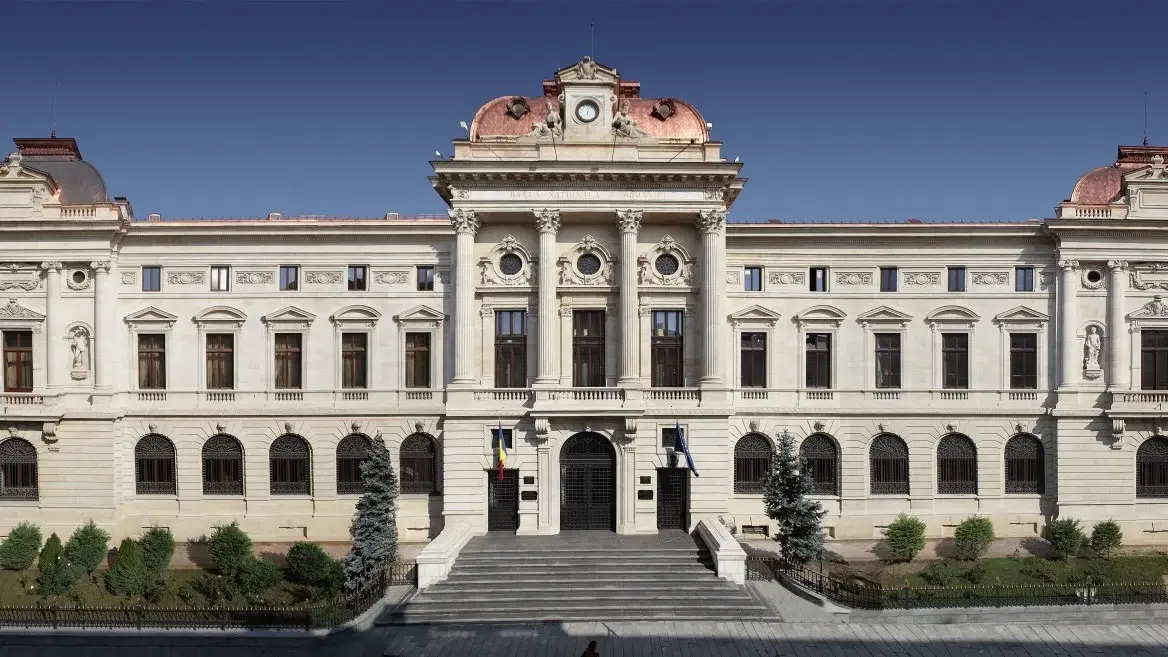
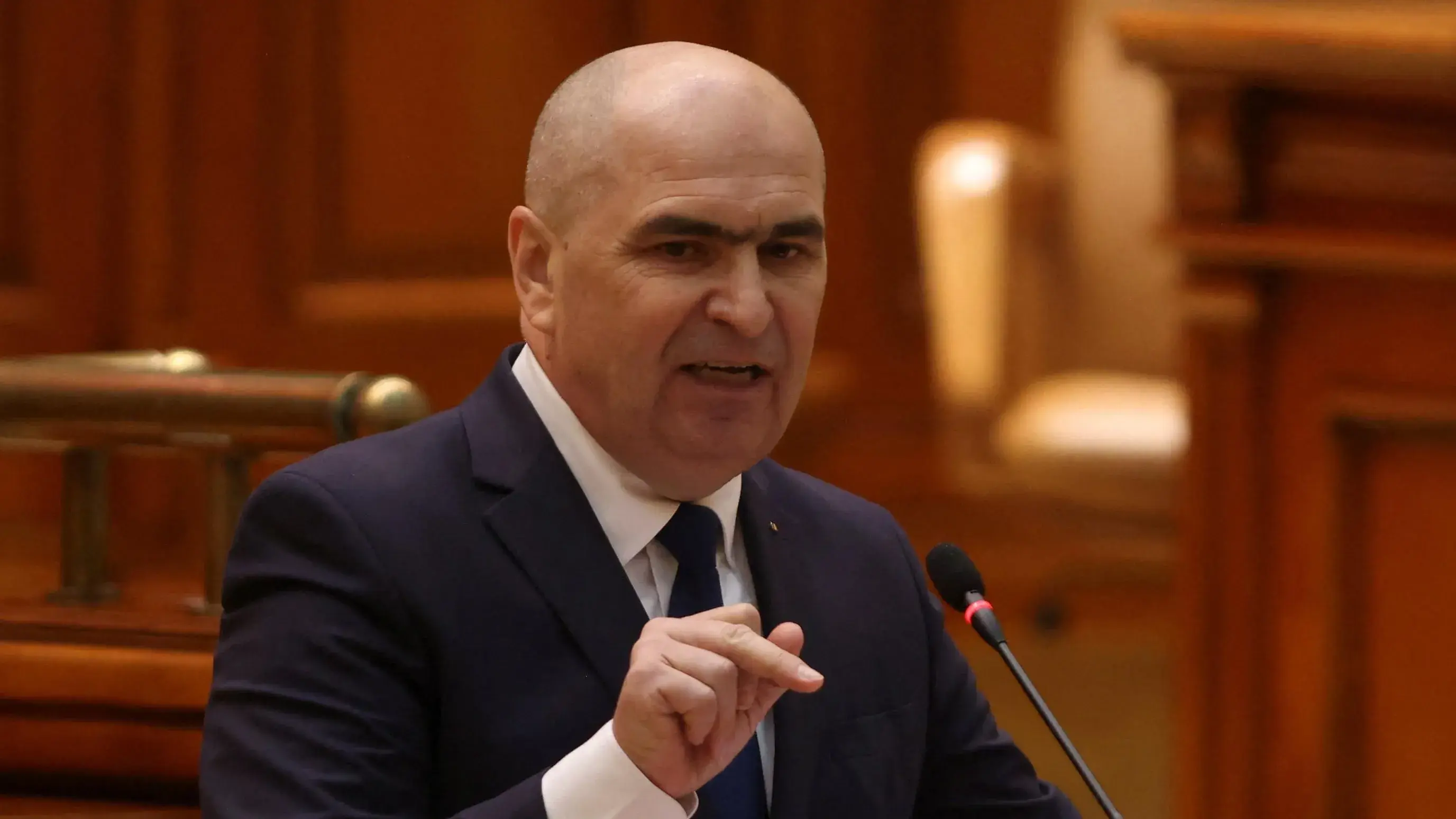
Turning to the second measure, the focus shifts to ELCEN and the district heating system in Bucharest. This issue is far from trivial; it's a critical service for hundreds of thousands of residents. For years, this system has been mired in institutional and financial gridlock, resulting in tensions, debts, and unpredictability. The relationship between the state and local administration has failed to address the core problems effectively.
Today, the government has agreed in principle to transfer the state's shares in ELCEN to the Bucharest Municipality. This is not a rash decision but the beginning of a thorough process involving techno-economic analysis, independent evaluations, and careful scrutiny of state aid and competition rules. The aim is to resolve historical and current debts that have suffocated the system and to pave the way for genuine infrastructure modernization.
Gheorgiu poignantly remarked: 'It is unacceptable for such an important public service to remain trapped in a formula that generates repetitive blockages, penalties, and a lack of clear responsibility.' The government's commitment to informing itself monthly on the progress and analyzing any necessary legislative measures swiftly underscores the seriousness of this initiative.
In a broader sense, these reforms embody a shift towards a more functional and accountable public sector. 'Where the state has tolerated inefficiency, administrative duplications, and senseless losses for years, we must intervene to stop the waste,' Gheorgiu asserted. This is the essence of reforming state-owned companies—transforming critical infrastructure into one that truly serves the people.
Comentarii
Fii primul care comentează.
AUR's calculated reversal: Simion seeks recognition, not margins
UDMR blocks AUR talks, rejects independent premier

How market forces, not policy, are eroding Europe's cash infrastructure