Chronic stress: the silent enemy of modern life
Chronic stress, initially a survival mechanism, has become a pervasive threat to health, manifesting in physical and mental ailments. Modern stressors like deadlines and financial worries keep the body's alarm system active, leading to chronic conditions.


In today's fast-paced world, the body's ancient survival mechanisms have turned against us, transforming chronic stress into a silent enemy. Originally designed to help our ancestors outrun predators, these mechanisms now erode our physical and mental health over time. When the brain detects danger, the hypothalamus springs into action, triggering an emergency response that involves the adrenal glands releasing adrenaline and cortisol within seconds.
This rapid response accelerates the heart, increases blood pressure, and raises blood glucose levels, priming the body for the fight-or-flight response. While this reflex, honed over millions of years, once helped our ancestors escape predators, the threats we face today—such as deadlines, financial worries, and daily conflicts—do not vanish in minutes. These modern stressors persist, keeping the body's alarm system on high alert.
This unrelenting state transforms into chronic stress, characterized by consistently elevated cortisol levels. Unlike acute stress, where the body quickly returns to normal, chronic stress prevents this return, leading to long-term health consequences. The effects of chronic stress are far-reaching.
Anxiety, panic attacks, depression, insomnia, headaches, muscle tension, digestive problems, and concentration difficulties are common manifestations. Physically, chronic stress can lead to increased blood pressure, raising the risk of cardiovascular diseases and stroke. The immune system weakens, making infections more easily contracted.

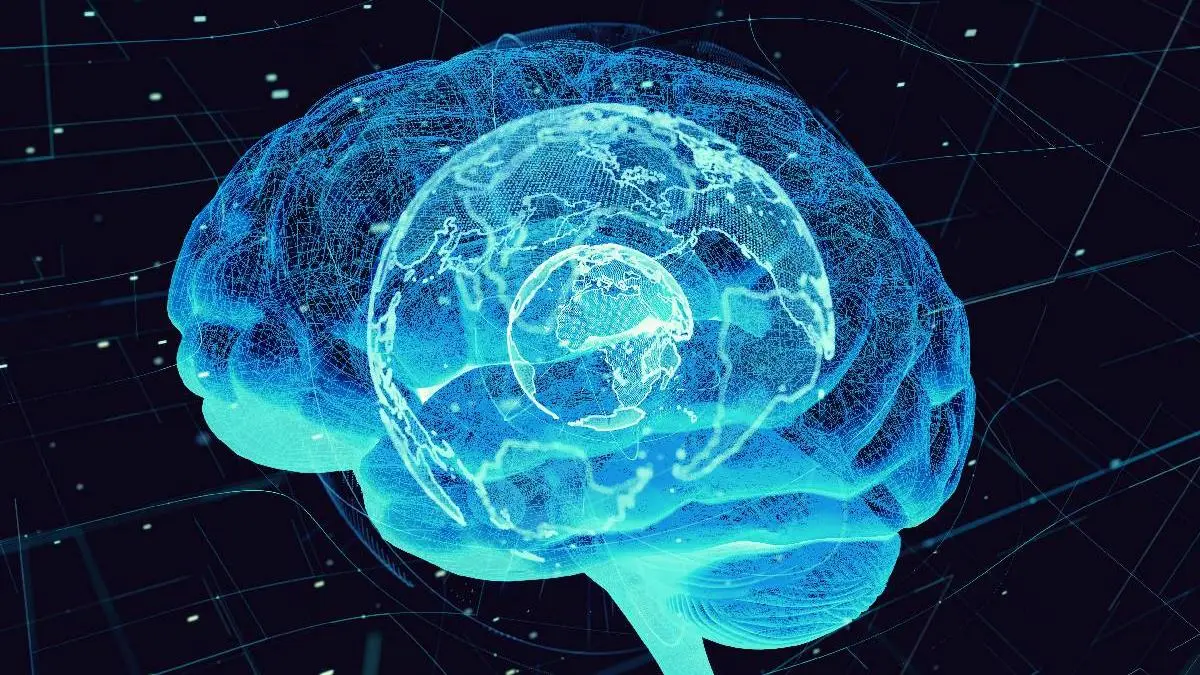
However, not everyone experiences stress in the same way. Differences in stress response are shaped by a combination of genetics and personal history. Certain genetic variations can intensify the body's stress response, while traumatic experiences like abuse, neglect, accidents, or violence can alter the brain's perception of danger, leaving individuals more susceptible to strong reactions.
Signs of chronic stress often creep in slowly, with constant fatigue, irritability, insomnia, unexplained muscle pain, recurrent digestive issues, and an inability to relax becoming apparent over time. The loss of interest in previously enjoyable activities is another telltale sign. Fortunately, there are ways to mitigate the effects of chronic stress.
Regular physical activity is known to reduce stress hormones and release endorphins, chemicals that induce a sense of well-being. Adequate sleep is important, as its absence amplifies emotional reactions and increases vulnerability to stress. Relaxation techniques such as meditation, breathing exercises, yoga, and mindfulness have proven effective in scientific studies.
These practices help calm the mind and body, offering a respite from the constant pressure. Additionally, maintaining close relationships with family and friends provides valuable support, while activities like journaling, pursuing hobbies, and spending time in nature can alleviate daily tension. Psychotherapy offers another avenue for managing stress.
It provides tools to identify stress triggers and develop healthy coping mechanisms, helping individuals navigate life's challenges more effectively. While stress is a natural reaction, its transformation into a permanent presence in our lives makes it a silent enemy. Early recognition of the signs and timely intervention can distinguish between a difficult period and the onset of chronic illness, emphasizing the importance of addressing stress before it takes a lasting toll on our health.
Source: revistadesanatate.ro
Comentarii
Fii primul care comentează.