Romanian union warns of salary law breach
The Sanitas Federation of Romania claims the government will bypass consultation stages for a new salary law, risking EU funds. Non-compliance with the National Recovery and Resilience Plan is cited.

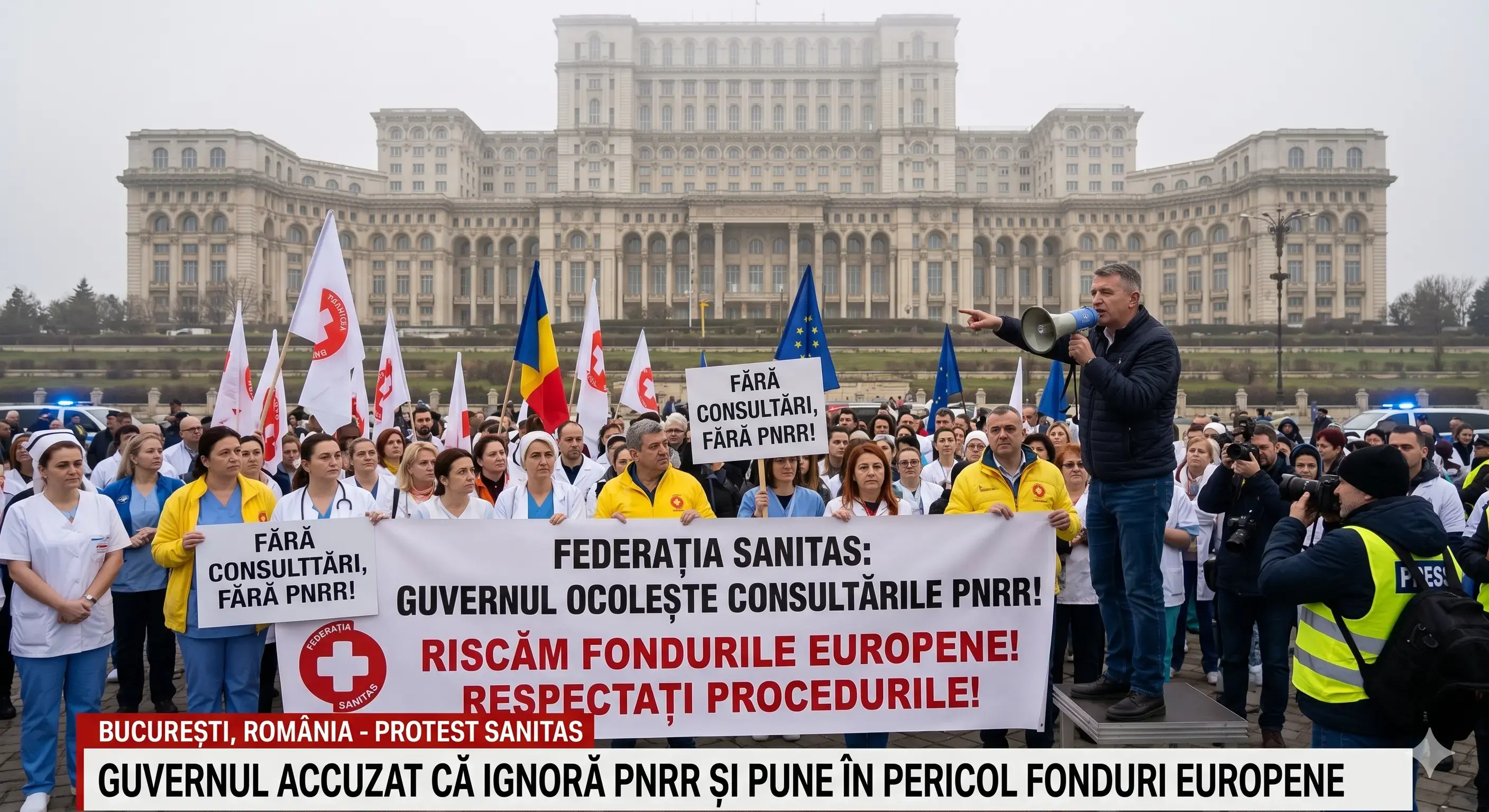
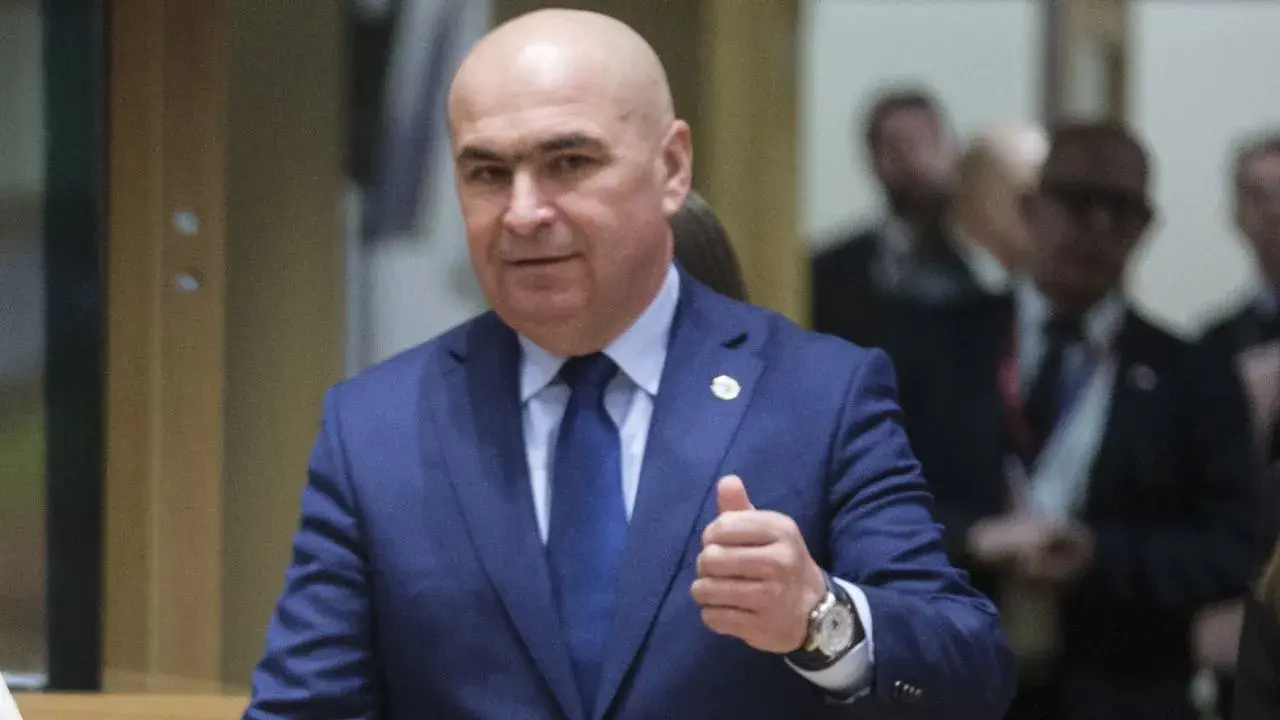
Imagine generată cu AI
The Sanitas Federation of Romania claims that the Romanian government is preparing to release a version of the new unitary salary law without adhering to the required consultation stages. This move, according to the federation, could threaten Romania's access to valuable European funds. The federation, representing a significant portion of Romania's healthcare workers, made this statement with a clear tone of warning.
The crux of the issue lies in the government's alleged plan to bypass the consultation processes that are mandated under the National Recovery and Resilience Plan (PNRR). The PNRR is a critical framework designed to ensure that reforms and investments are implemented transparently and inclusively, with input from relevant stakeholders. The Sanitas Federation argues that ignoring these steps undermines the very essence of the PNRR and puts European financial assistance at risk.
The potential consequences of such a breach are not trivial. European funds are a lifeline for many of Romania’s developmental projects, and any disruption in their flow could have widespread repercussions. The Sanitas Federation’s concerns highlight a broader issue of governance and accountability, especially in the context of post-pandemic recovery efforts.
Sanitas Federation's statement underscores the tension between governmental expediency and procedural compliance. "Ignoring the consultation process could lead to severe financial penalties or even the suspension of funds," a representative from the federation said. This underscores the importance of adhering to the PNRR guidelines, which were established to ensure that reforms are both effective and equitable.
Historically, Romania has faced challenges in aligning with European Union standards, particularly in areas requiring stringent compliance and transparency. The present situation echoes past instances where procedural shortcuts have led to complications in securing EU support. The Sanitas Federation's warning serves as a reminder of these past lessons and the importance of maintaining a cooperative approach in policy implementation.
The government has yet to respond to these accusations publicly. However, the implications of such actions cannot be understated. If the Sanitas Federation's claims hold true, Romania could face significant setbacks in its recovery trajectory. The country's reliance on EU funds for infrastructure, healthcare, and education projects makes compliance with PNRR even more important.
In response to these developments, experts in European policy and Romanian governance have weighed in. "The consultation process is not merely a formality; it is a cornerstone of democratic policy-making," said Dr. Elena Popescu, a specialist in European integration. "Bypassing these steps can erode trust and lead to long-term consequences that outweigh any short-term gains."
Critics of the government's approach argue that transparency and stakeholder involvement are necessary components of effective governance, particularly when dealing with policies that have far-reaching impacts. The Sanitas Federation's alert emphasizes the need for a balance between swift policy enactment and the necessary deliberation that accompanies democratic processes.
As the situation unfolds, the eyes of both national and European observers remain fixed on Romania. The next steps taken by the government could determine not only the future of the new salary law but also the broader relationship between Romania and the European Union. The stakes are high, and the outcome will likely set a precedent for future interactions and compliance with EU frameworks.
Source: sanatatea.tv
Comentarii
Fii primul care comentează.