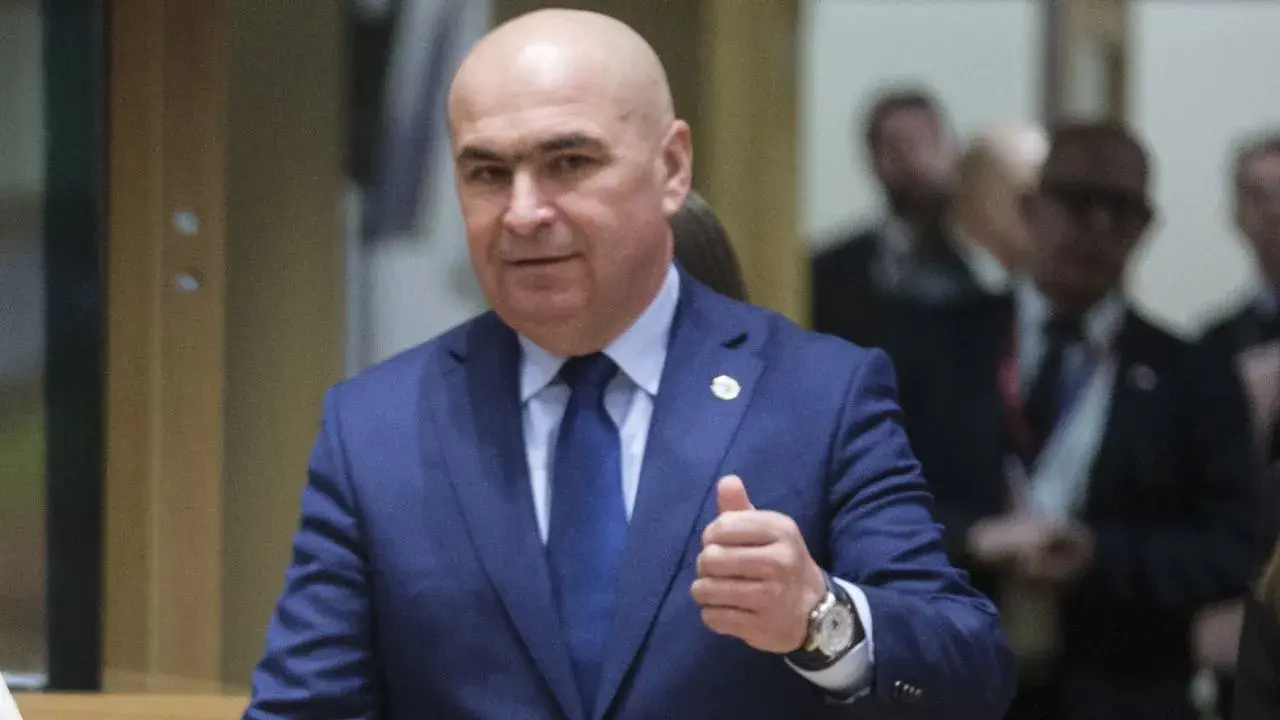
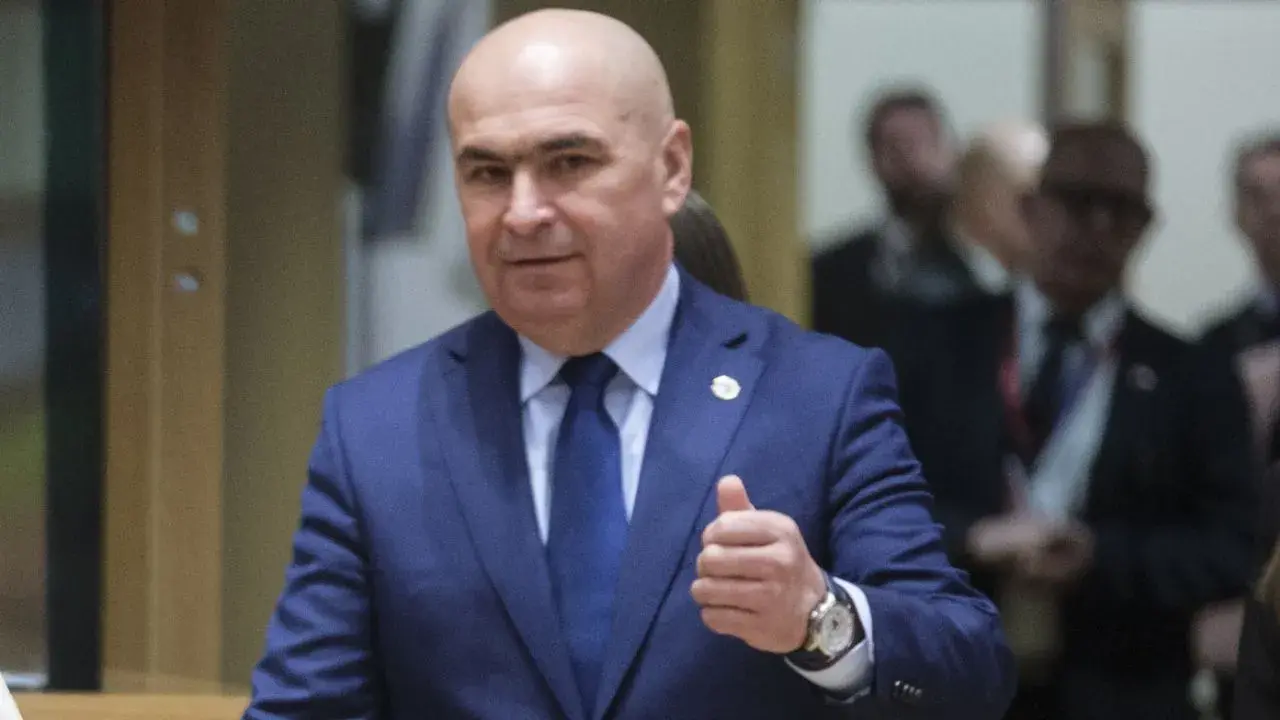
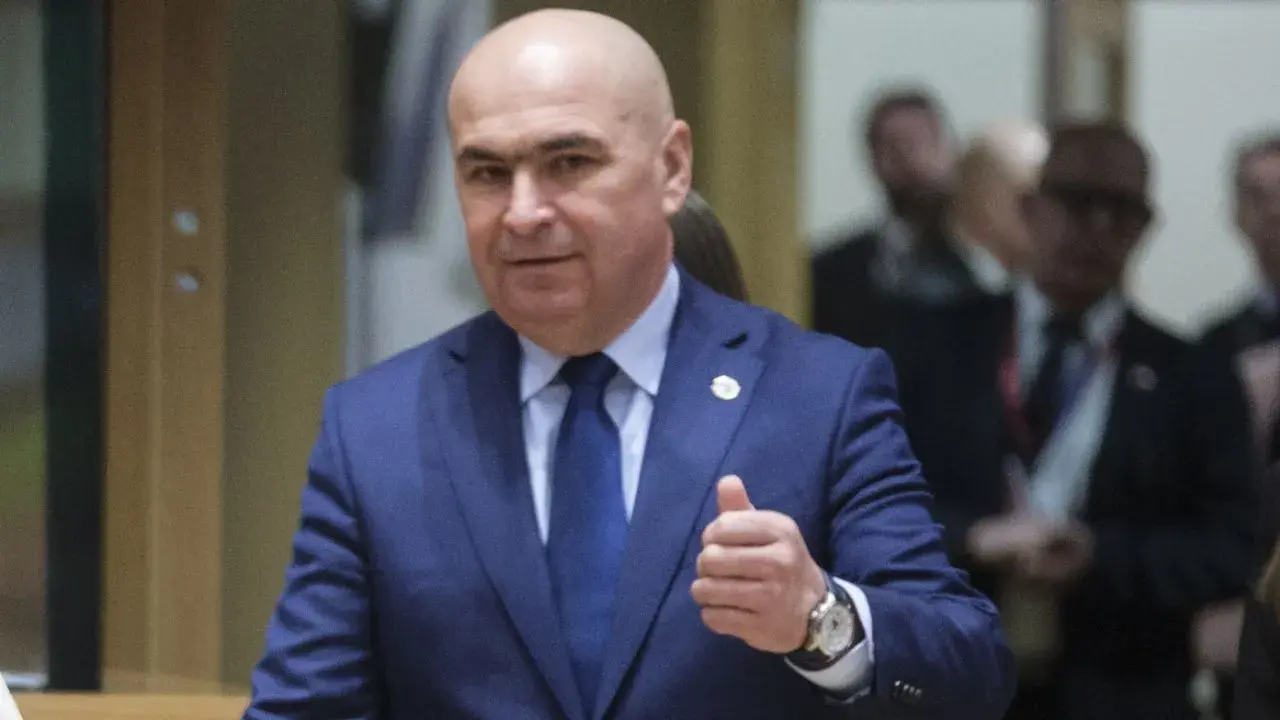
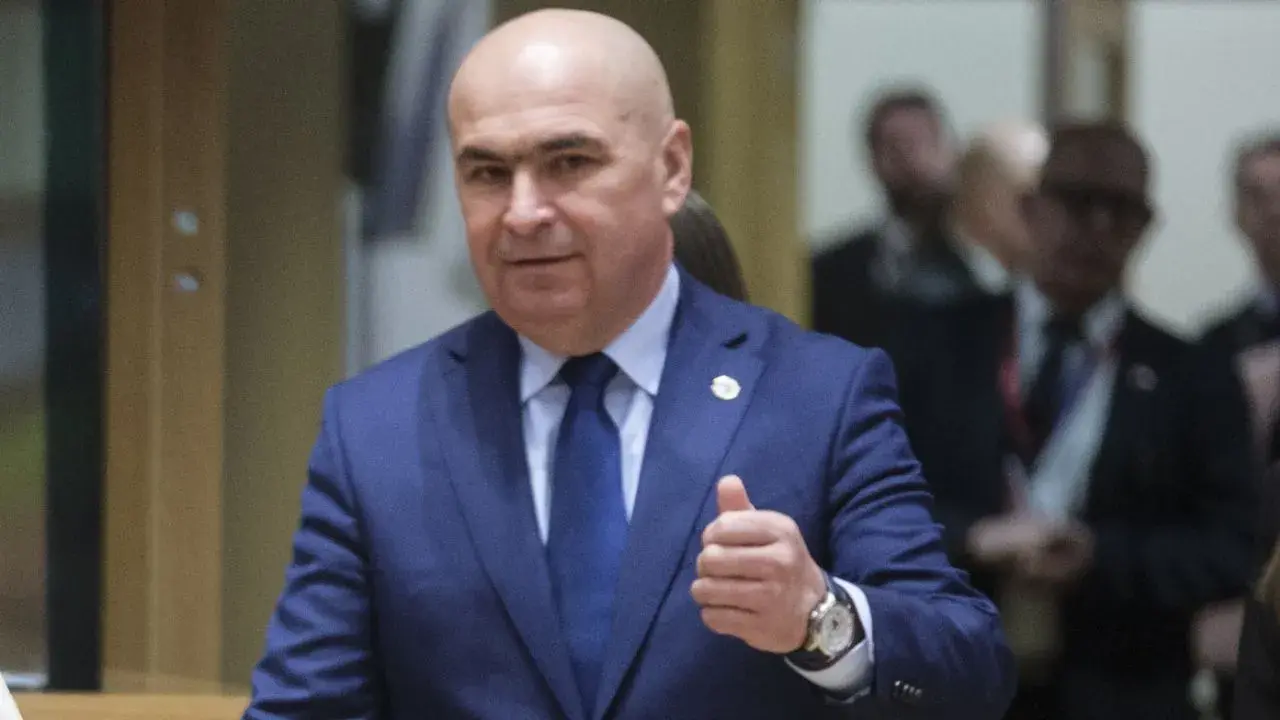
The Cotroceni putsch and the liberal line in the sand: How Ilie Bolojan blocked the rebirth of Romania’s toxic Grand Coalition
At a time of acute institutional vulnerability, the abrupt nomination of Adrian Veștea as Prime Minister is far more than a tactical reshuffle; it is a blatant, top-down attempt by the Presidency to shatter liberal autonomy and force a grand coalition heavily steered by the left. Beyond the backroom betrayals and the cynical calculations of opportunistic factions, Ilie Bolojan’s decisive counter-offensive does not merely block the birth of another toxic political monolith—it rescues the very core of democratic pluralism from a dangerous drift toward soft authoritarianism.

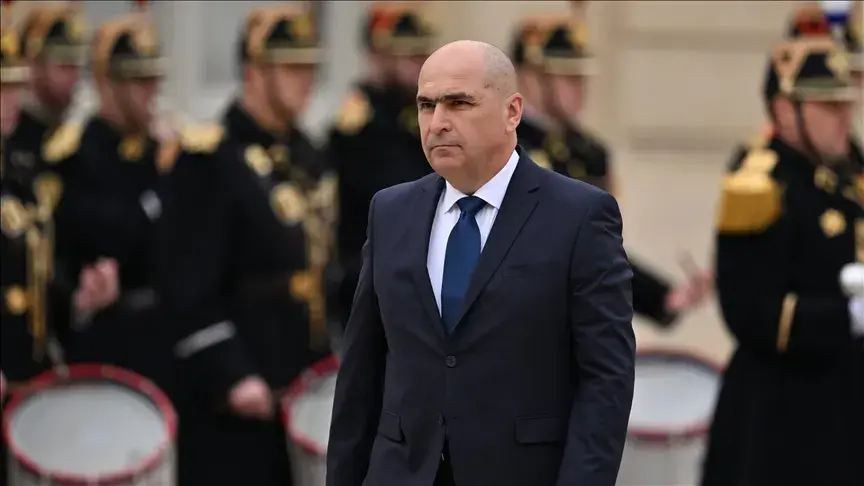
The high-stakes meeting of National Liberal Party leaders on Monday afternoon inside the Parliament building was far from a routine partisan assembly gathered to extinguish a temporary fire; it was a profound historical inflection point. Behind closed doors, the very identity of Romanian liberalism and the country’s democratic trajectory for the coming years were placed on the line. The abrupt and deeply non-transparent nomination of Adrian Veștea for the premiership by President Nicușor Dan—an intervention executed entirely over the heads of the PNL’s legitimate statutory leadership—was immediately decoded by the party’s reformist core as a coordinated political assassination plot orchestrated from the Cotroceni Presidential Palace. Fortunately for the country’s center-right electorate, Ilie Bolojan successfully asserted complete authority, drawing a moral line in the sand that the party's opportunistic wing simply could not cross.
The mechanics of this unfolding institutional crisis, which has left Romania without a stable executive amid heightened regional geopolitical tensions, betray a toxic backroom script. Adrian Veștea publicly admitted, with a candor that borders on political recklessness, that he was aware of the presidential offer since Wednesday and that Nicușor Dan explicitly instructed him to maintain "discretion." In other words, a senior PNL vice president spent four days plotting against his own party leader and violating resolutions passed unanimously by its executive bodies, acting as the compliant operative of a presidential putsch. The historical parallel raised by regional leader Ciprian Ciucu is terrifyingly precise: in 1935, King Carol II bypassed the legitimate leadership of the PNL to appoint the malleable Gheorghe Tătărescu as prime minister, a tactical maneuver that systematically weakened the historical parties and paved the way for personal authoritarian rule. In 2026, Nicușor Dan attempted the exact same gambit, playing a divide-and-conquer game to fracture the PNL under the guise of engineered "stability."
The retaliation from Bolojan’s camp was executed with surgical precision. The PNL president forced a definitive revote on the party’s red line: a total ban on entering any future governing coalition with the Social Democratic Party (PSD). The result was a crushing blow to the palace conspirators—39 votes to completely isolate the PSD, with only 10 against and 5 abstentions. Through this single ballot, Bolojan did not merely strangle the birth of a retrospective "Grand Coalition 3.0" in its crib; he stripped Veștea’s rogue mandate of all political and moral legitimacy. Bolojan explicitly denounced his colleague's behavior as "deeply uncollegiate" and a direct violation of internal party democracy. Party veterans quickly reinforced the message. Vasile Blaga warned that the party’s statute is its constitution, declaring that anyone defying collective decisions commits an act of institutional betrayal, while influential regional chairs like Cristian Buican demanded Veștea’s immediate expulsion from the party ranks.
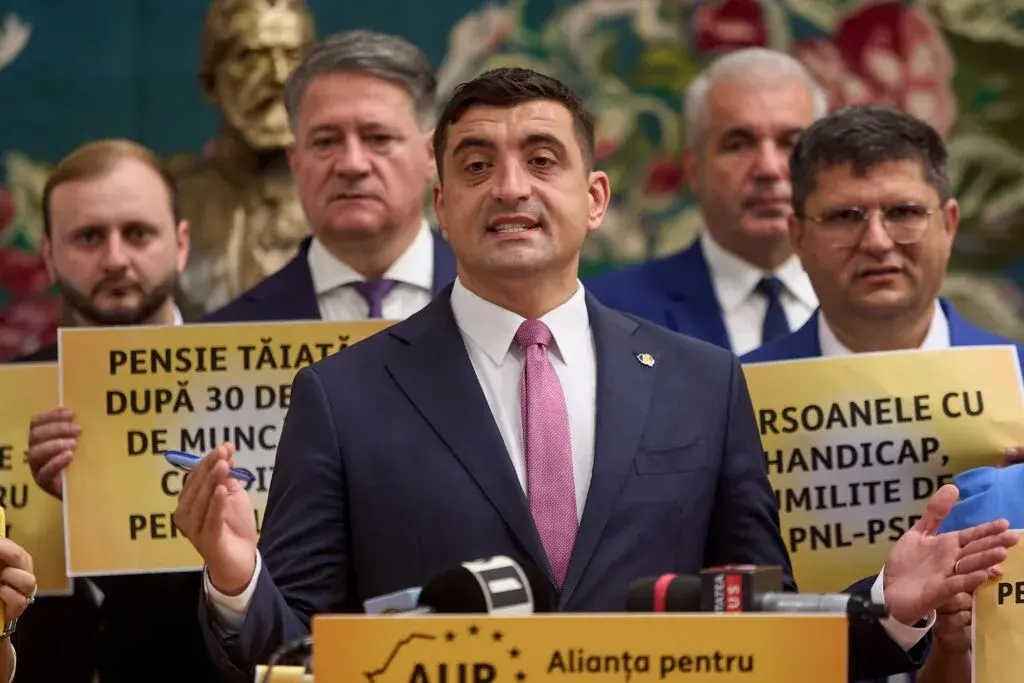
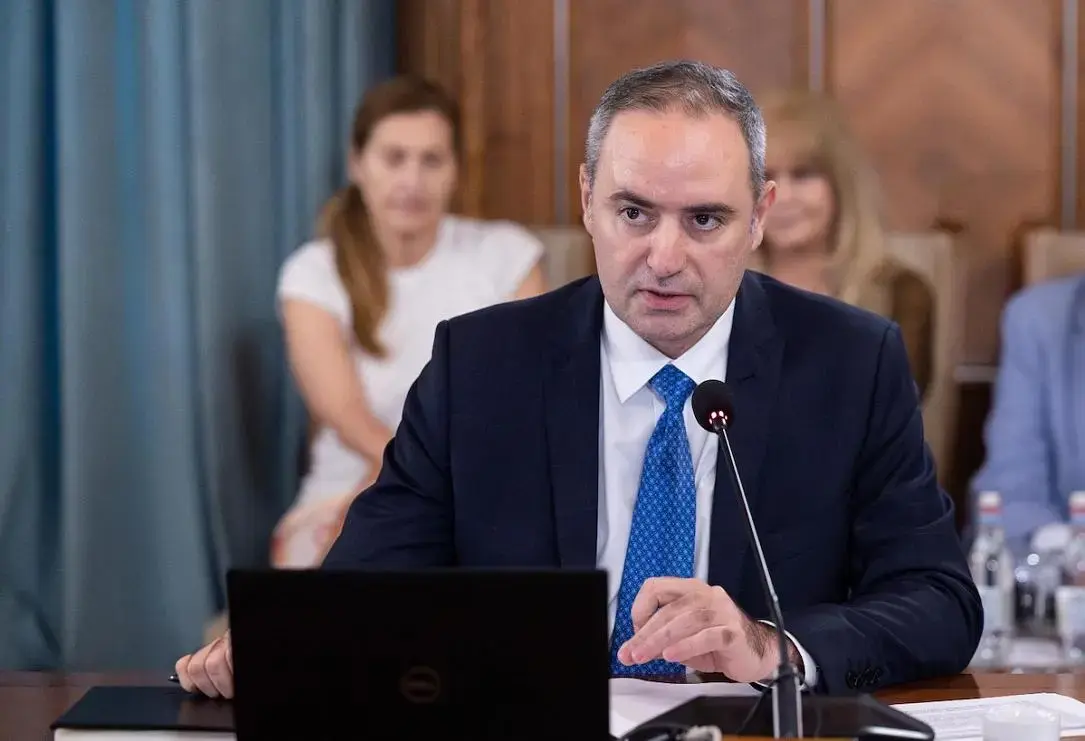
On the other side of the ideological divide, the internal rebel faction quickly exposed its strategic and moral limitations. Fully aware that he had been completely isolated by the leadership, Adrian Veștea stormed out of the meeting, defiantly announcing to reporters that he would not withdraw his mandate and intended to push for a parliamentary confirmation vote regardless of his own party's opposition. This obstinacy proves that Veștea is no longer a representative of the liberal tradition, but rather a functional proxy for the Social Democrats' interests—a reality corroborated by former prime minister Ludovic Orban. When pressed on how he expects to secure the mandatory 240 votes required for confirmation, the designated premier admitted he had not secured them himself, choosing instead to rely on vague assurances from the presidency that a "large coalition of pro-Western forces" would magically materialize. The mathematical reality on the ground, however, directly contradicts this narrative.
Both the reformist USR party, led by Dominic Fritz and Diana Buzoianu, and the Hungarian Democratic Union (UDMR), through Csoma Botond, have flatly refused to participate in this low-grade political maneuvering. Fritz pointed out that rejecting Veștea is a matter of basic political hygiene and democratic honesty toward the voters, refusing to let his party become a footstool for a shadow majority backed by the PSD and radical populist elements. Similarly, the UDMR recognized the palace's divide-and-conquer trap, declining to validate a cabinet that would ultimately depend on the votes of untrustworthy political opportunists and fringe actors. Even if opportunistic county bosses like Hubert Thuma or Alina Gorghiu attempt to break ranks and order their local MPs to back Veștea, the resulting administration will be dead on arrival—a political abortion conceived in the backrooms of the presidency.
The crude transactionalism driving the Veștea faction was further exposed by their premature carving up of cabinet portfolios during the meeting's recess, with names leaked for the Senate leadership, the Ministry of Internal Affairs, and the preservation of key socialist ministers at Justice and Health. This cynical horse-trading has only deepened the fury of robust regional liberal organizations across the country, which voted unanimously to reject this destructive compromise. The PNL has now formalized its intention to challenge Adrian Veștea’s nomination before the Constitutional Court, citing the President's failure to hold the mandatory, formal consultations required by Article 103 of the fundamental law. By executing this counter-offensive, Ilie Bolojan has not only salvaged the structural integrity and honor of the National Liberal Party, but has also delivered a harsh, defining lesson to a president who appears to have completely lost his grip on both the political steering wheel and his own strategic mandate.
Comentarii
Fii primul care comentează.