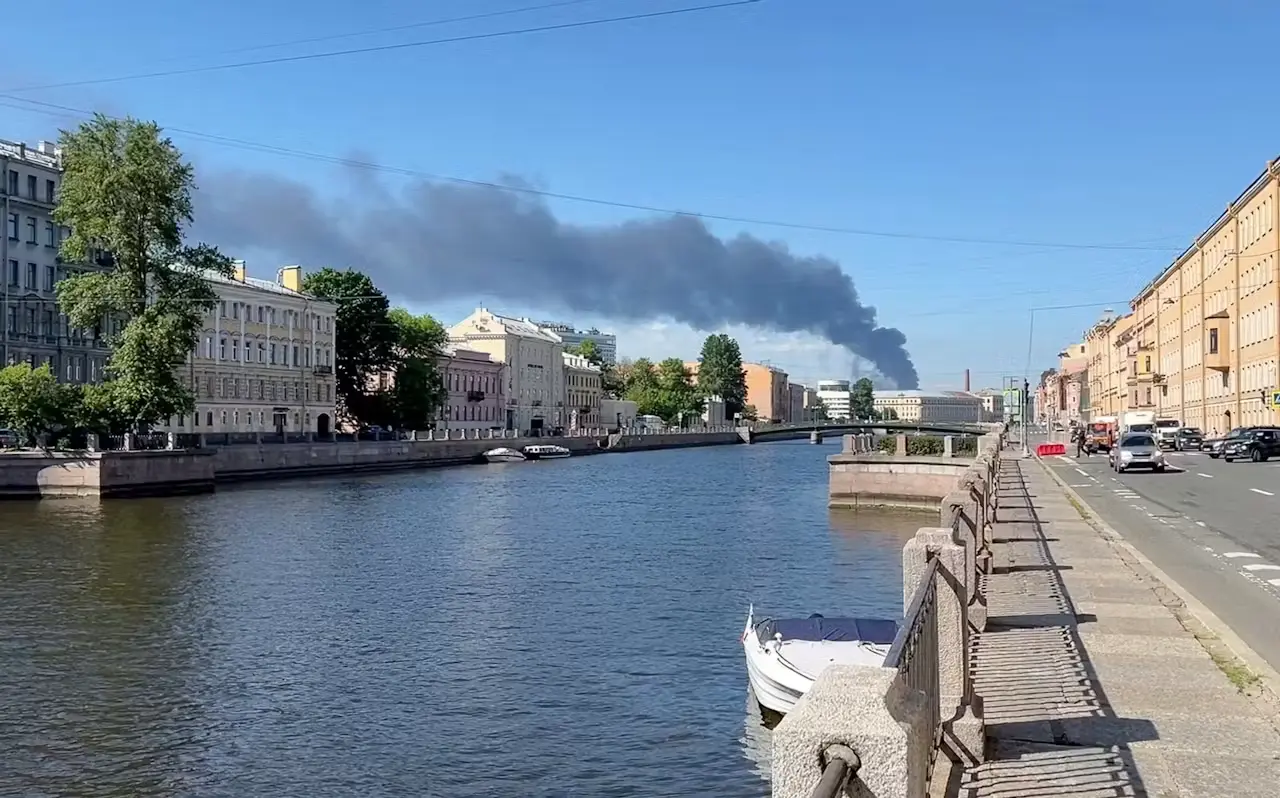
Russia fires 8 Zircon hypersonic missiles in Tuesday attack that killed 23
Russia's recent air assault on Ukraine, featuring advanced missiles and drones, resulted in 23 deaths and 151 injuries, amplifying insecurity and pressure on Kyiv. The attacks highlight Russia's strategic shift amid battlefield challenges.

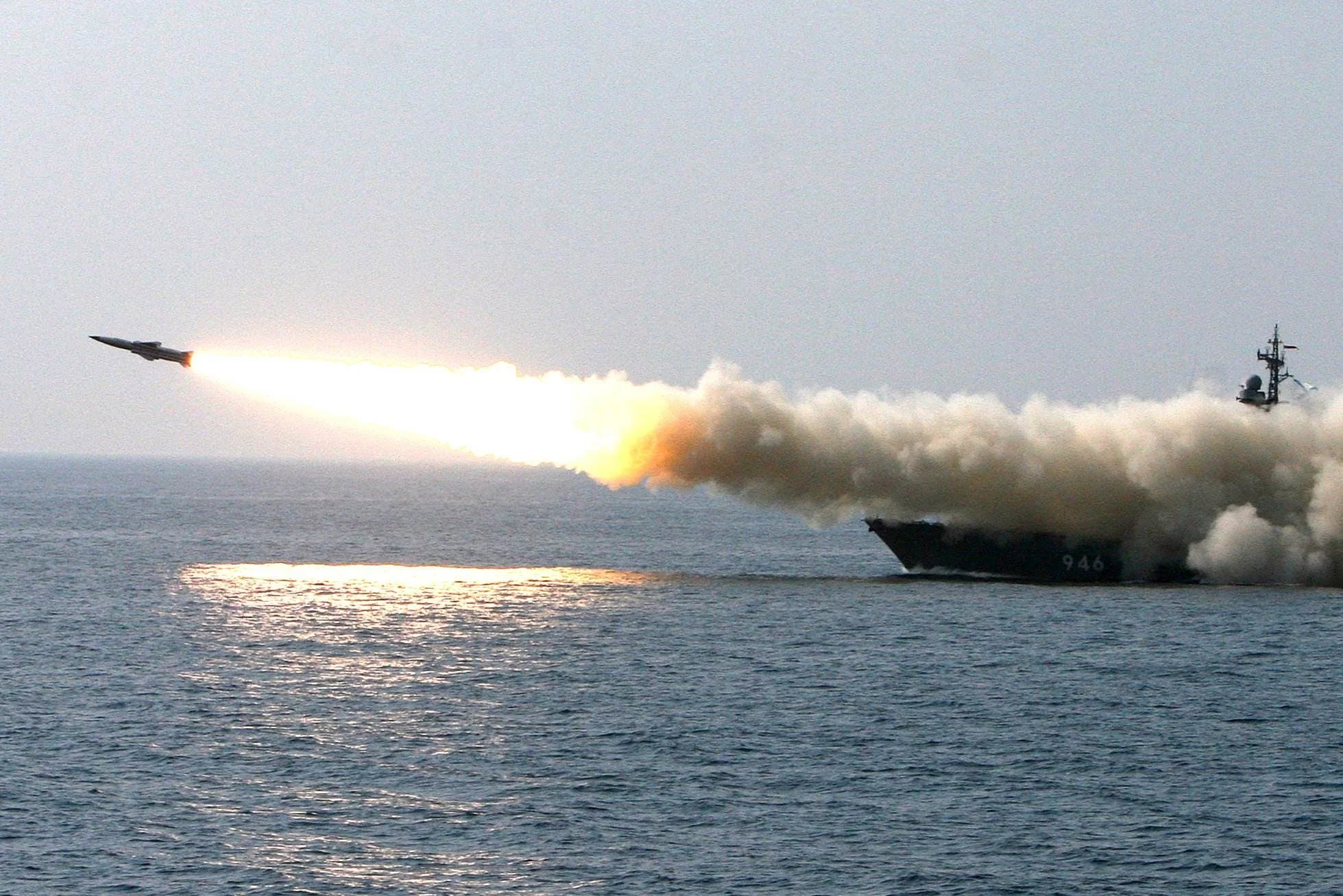
Russia's recent air assault on Ukraine marked a significant escalation in its military tactics, resulting in 23 deaths and 151 injuries. The attack, which occurred on a Tuesday, involved an unprecedented use of advanced weaponry, including eight Zircon hypersonic missiles, a first in terms of quantity for a single strike, according to Ukrainian authorities. The Russian Ministry of Defense claimed that the attacks were directed at military infrastructure, energy facilities, and Ukrainian logistics.
However, the scale and intensity of the assault suggest a broader strategy aimed at amplifying insecurity among the Ukrainian population and increasing pressure on Kyiv to negotiate. This aligns with Russia's ongoing attempts to use fear and infrastructure damage to weaken Ukraine's stance in potential future negotiations. Russia's military strategy has increasingly relied on a combination of cheap drones followed by more sophisticated ballistic and cruise missiles.
In this latest attack, 41 ballistic missiles were launched, exceeding the number used in the entire previous month. Ukrainian forces managed to intercept a significant number of these drones, shooting down approximately 90%, but the complexity of intercepting ballistic and hypersonic missiles, such as the Zircon, presents ongoing challenges. The Ukrainian air defense, while efficient against drones, struggles with more advanced threats.
Only 30 out of the 41 ballistic missiles were stopped during the recent attack. President Volodymyr Zelensky has highlighted the urgent need for additional support, particularly in the form of Patriot missile systems and interceptors from the United States. He has also stressed the importance of Europe developing its own anti-ballistic capabilities to counter such threats effectively.
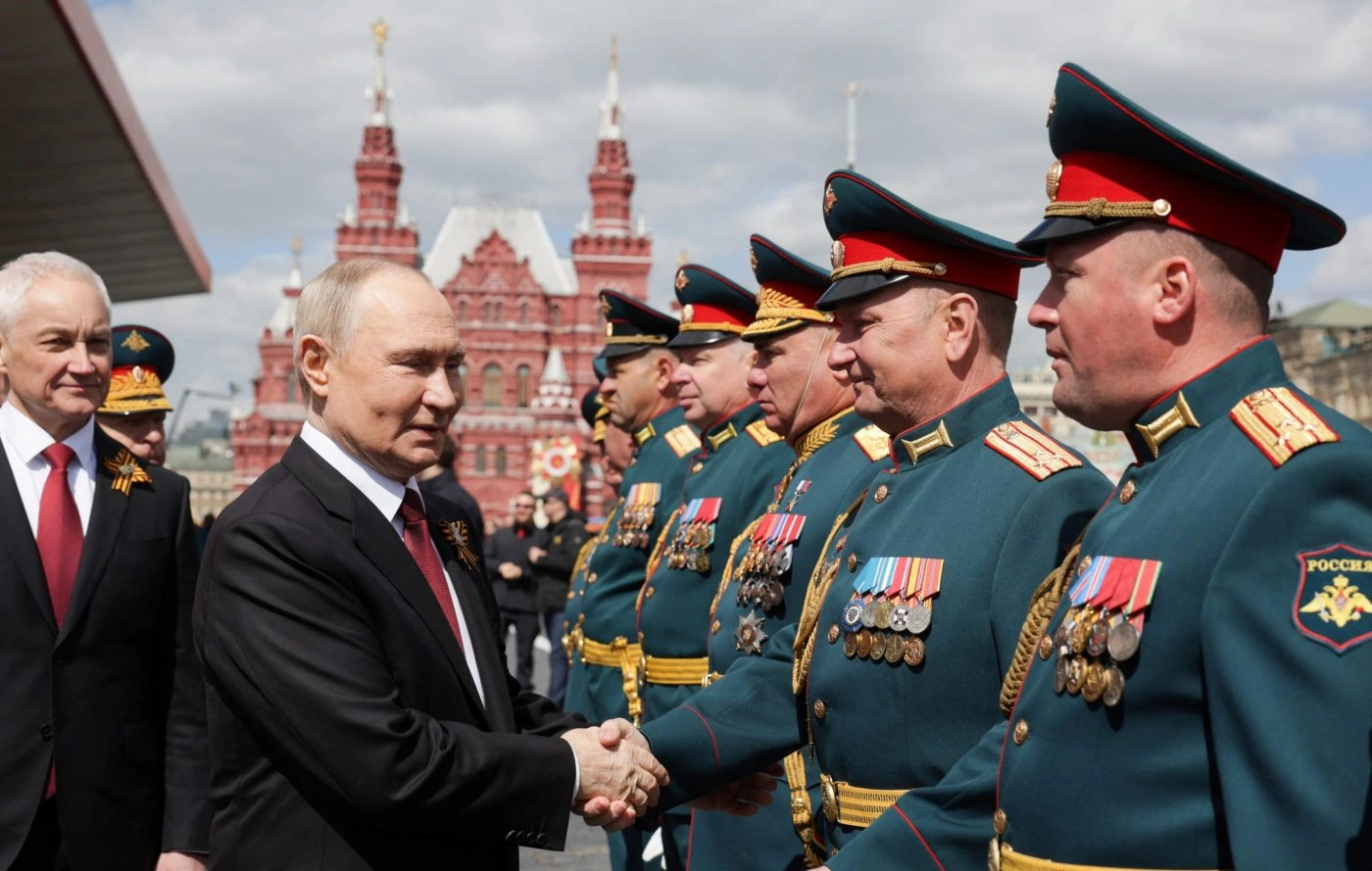
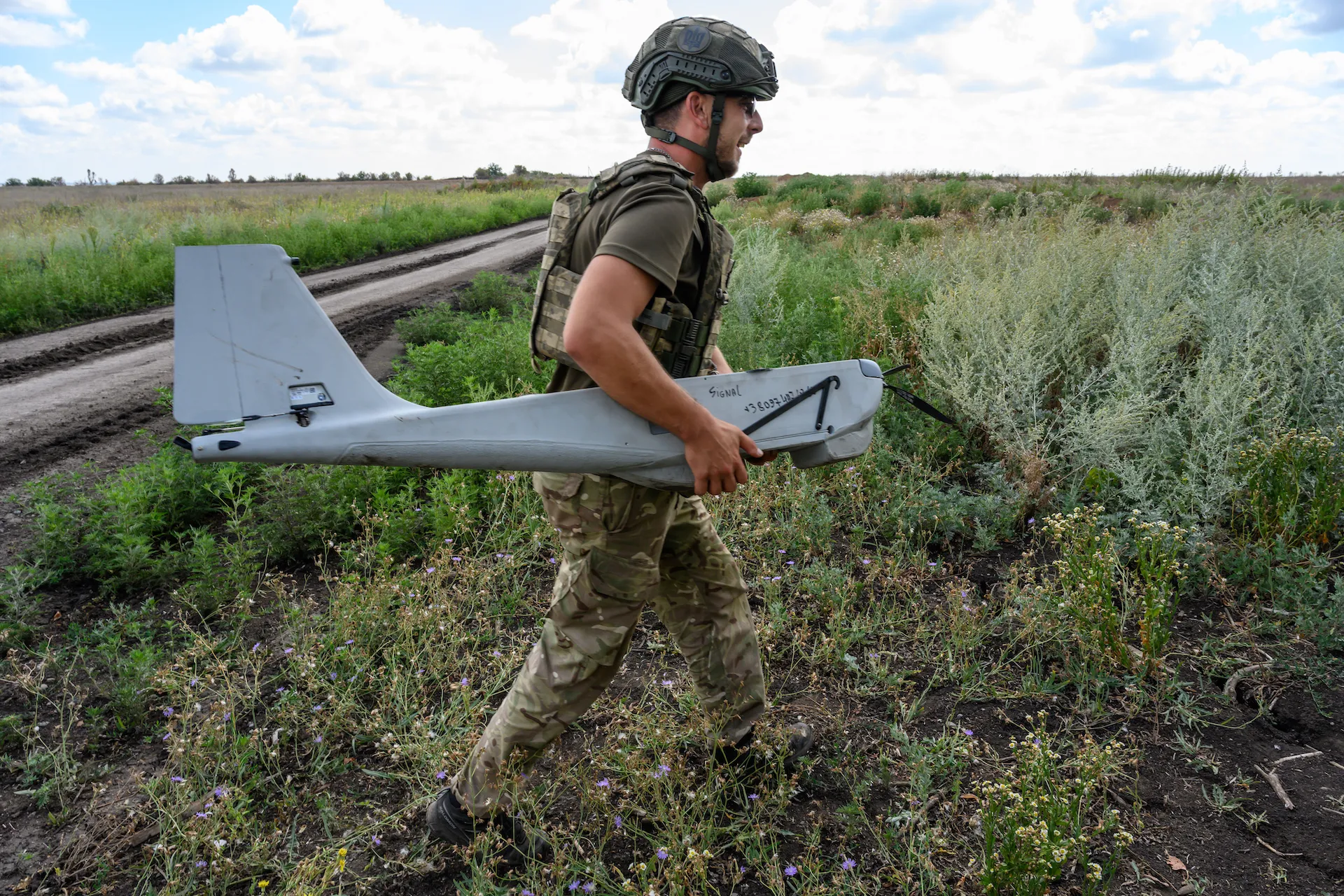
Russia's intensified air campaign is seen by military experts as a response to its difficulties in making progress on the battlefield. Thomas Withington, a military science expert at the Royal United Services Institute in the UK, noted that these escalated air attacks are linked to the challenges Russia faces on the ground. This perspective is supported by data from the Center for Strategic and International Studies, which indicates a substantial increase in the use of Shahed drones, with over 8,000 launched in the past month alone.
Ukrainian forces have been effective in utilizing electronic warfare systems to deflect many of these drones, yet the sheer volume of attacks poses a constant pressure strategy by Russia. Western analysts agree that these bombardments are designed to maintain a continuous strain on Ukrainian defenses and civilian morale. In addition to the immediate impact on Ukraine, these developments have broader implications for international security.
Russia's actions have prompted concerns about potential threats to the Baltic states before 2029, as well as the strain on Western allies' interceptor production capacities. Recent conflicts in the Middle East have further affected stocks, and the production of new interceptors requires significant time. Ukraine's military leadership, including Army Commander Oleksandr Syrsky, has ordered improvements in air defense command, acknowledging the deficit of modern air defense systems and munitions.
While Ukraine has managed to recapture more territory than Russia for the first time since 2024, the ongoing air campaign underscores the need for enhanced defensive capabilities. The Russian Ministry of Defense presented the operations as retaliation for a Ukrainian attack on a dormitory in Starobilsk, which Russia occupies in the Luhansk region. Russia claimed that 21 people died in this attack, although Ukraine maintains that the target was a military unit.
As the conflict continues, the international community faces critical decisions regarding support for Ukraine's defense capabilities. The need for increased production of interceptors and the development of regional anti-ballistic systems are key to countering Russia's advanced missile threats. The upcoming audit of Western military aid and production timelines will be important in determining the next steps in this prolonged conflict.
Comentarii
Fii primul care comentează.