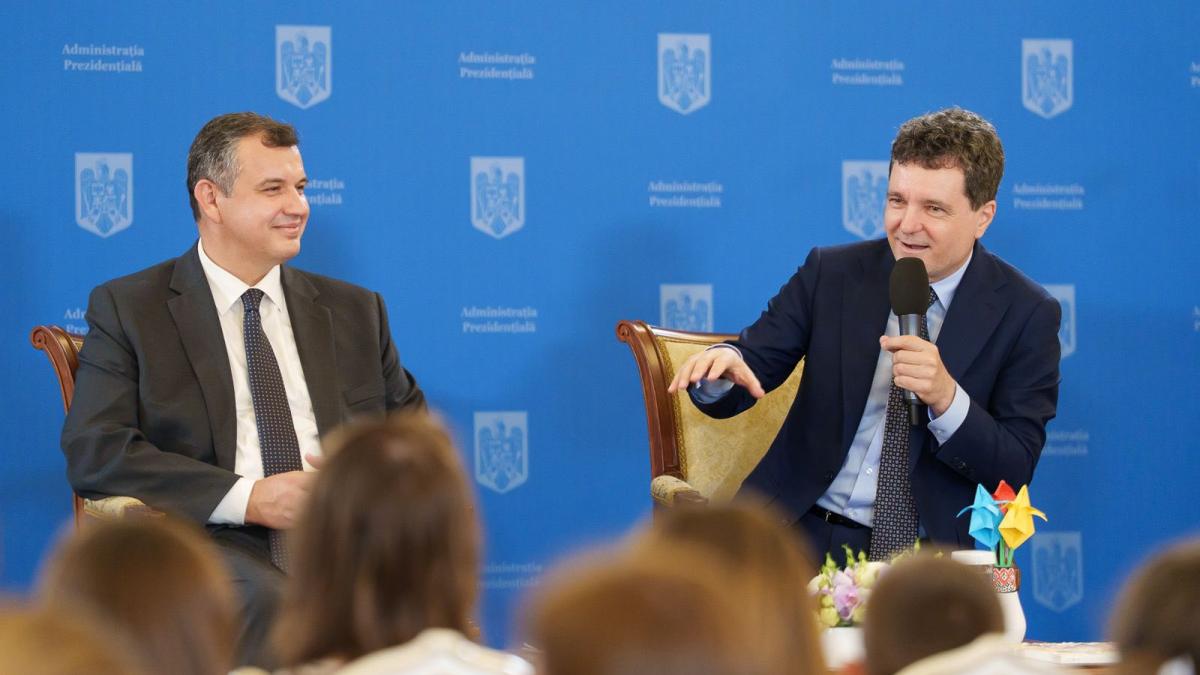
Nicușor Dan Names Eugen Tomac as Prime Minister Nominee
President Nicușor Dan nominates Eugen Tomac as independent PM. Dan cites parties' inability to agree as reason for choice.
Tomac accepts, pledges pro-European and NATO-aligned agenda. Tomac to propose a technical government focused on reforms.
USR supports Tomac with conditions for party ministerial roles.

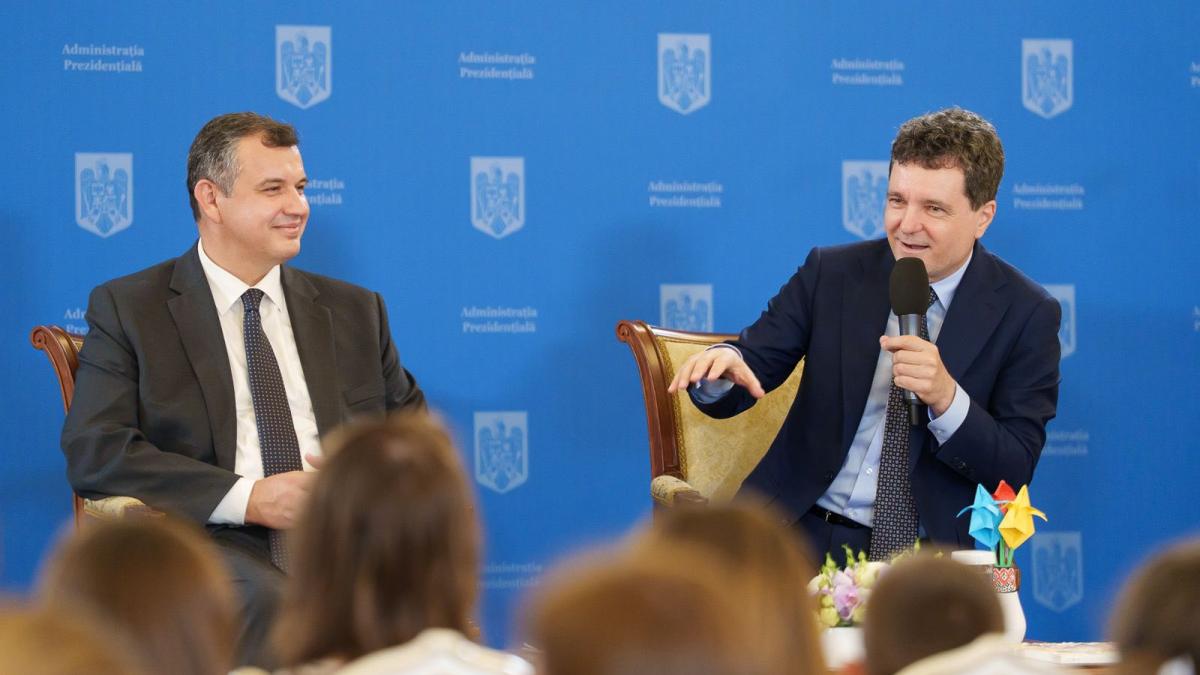
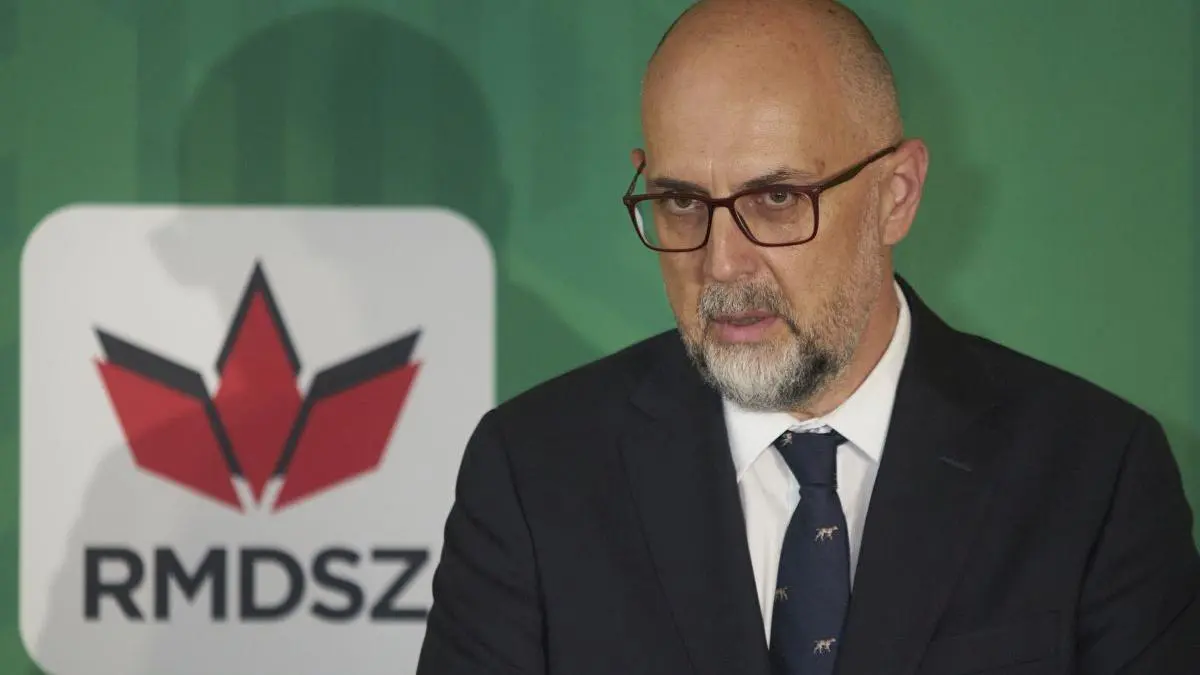
President Nicușor Dan on Thursday evening nominated Eugen Tomac to form Romania's next government, breaking a coalition deadlock that has paralyzed the administration since June.
"I appoint Mr. Eugen Tomac to form the government in the position of prime minister," Dan said in a televised statement. The nomination follows months of internal friction within the four-party coalition formed after the May 2025 parliamentary elections.
Dan cited the coalition's inability to agree on a candidate as the reason for selecting an independent figure. "Because the parties cannot agree among themselves, the only possible solution is a prime minister who is independent of the parties in Parliament," he said.
The May 2025 elections took place against a backdrop of voter anxiety over Romania's pro-Western trajectory and mounting economic pressures. Four parties and minority representatives formed a coalition government in June, but tensions escalated as party interests diverged from stated national priorities, according to Dan.
The president acknowledged improvements in Romania's external image and financial position under the coalition but said internal disagreements had become untenable. "Inviting opposition forces to govern is irrational," Dan said, without specifying which parties he meant.
Tomac, in accepting the nomination, said he recognized both the difficulty of the task and the weight of public expectation. He pledged to assemble a professional team and described his planned cabinet as a technical government of specialists.
"I commit to forming a government focused on the common good," Tomac said. He emphasized continuity in Romania's pro-European stance and its partnership with the United States.
Tomac outlined three immediate priorities: completion of the National Recovery and Resilience Plan, known as PNRR; definition of Romania's 2027 budget framework; and accession to the Organisation for Economic Co-operation and Development. He also named state institution reform, digitalization, and anti-corruption as longer-term objectives.
Security remains a central concern, Tomac said, pointing to the war in neighboring Ukraine. "The state's fundamental obligation is security, particularly with the ongoing war at the border," he said. Responsible management of the public budget and adherence to international commitments were also highlighted.
Dominic Fritz, leader of the USR party, said his party would support Tomac's government only if four USR members were appointed as ministers. Fritz named Diana Buzoianu, Radu Miruță, Oana Țoiu, and Irineu Darău as candidates, praising their competence and courage in public statements.
The USR demand introduces a conditional element into Tomac's coalition-building effort. Whether Tomac will accept ministers from parties that have been unable to agree on a prime minister among themselves remains unclear.
Dan selected Tomac for his political experience and capacity to build consensus, according to the president's statement. Tomac's career includes roles in both domestic and European politics, though Dan did not specify which aspects of that record informed his decision.
The coalition government formed in June included representatives from four parties and minority groups. Dan said the coalition initially delivered results, improving Romania's standing with international partners and stabilizing public finances. He did not provide figures or cite specific policy achievements.
Tensions within the coalition grew as party priorities diverged, Dan said. He described a shift from national interest to party interest but did not name which parties or which policy disputes triggered the breakdown.
Public debate over the coalition's performance is part of democratic governance, Dan said. He noted that Romanians continue to support a pro-Western direction and expect financial stability, institutional reform, and progress on digitalization and anti-corruption.
Completion of the PNRR, Romania's recovery plan funded by the European Union, is among the most concrete tasks facing the next government. The plan includes infrastructure projects, public administration reforms, and investments in green energy and digital infrastructure. Delays in implementation have raised concerns in Brussels, though Dan did not address those concerns directly.
Romania's bid for OECD membership has been a stated government priority for several years. Accession requires alignment with OECD standards on governance, transparency, and economic policy. Tomac did not specify a timeline for accession.
The 2027 budget framework, another priority named by Tomac, will define Romania's fiscal trajectory through the next European Union budget cycle. Negotiations on that framework are expected to begin in 2026.
Tomac's emphasis on security reflects Romania's position on NATO's eastern flank. The war in Ukraine, which began in February 2022, has heightened concerns about regional stability. Romania hosts NATO forces and serves as a logistics hub for military assistance to Ukraine.
Maintaining NATO relevance and achieving economic competitiveness were also named as objectives by Tomac. He did not detail how those goals would be pursued or what trade-offs they might entail.
The USR's conditional support introduces uncertainty into Tomac's coalition-building effort. Fritz's statement did not specify whether the four named ministers would need to hold particular portfolios or whether their inclusion alone would satisfy the party's conditions.
Buzoianu, Miruță, Țoiu, and Darău have held various roles in Romanian politics and public administration. Fritz described them as courageous and competent but did not elaborate on their qualifications for ministerial positions.
Whether other coalition parties will accept USR ministers in a government led by an ostensibly independent prime minister is unclear. Dan's statement emphasized Tomac's independence from parliamentary parties, but the mechanics of forming a cabinet that commands parliamentary support remain unresolved.
Tomac is expected to present his proposed government lineup in the coming days. Parliamentary approval is required before the government can take office. The timeline for that approval depends on negotiations between Tomac and the parties whose support he will need.
Dan did not specify a deadline for Tomac to present his cabinet. Romanian constitutional practice allows the president to set such deadlines, but Dan's statement did not address procedural timelines.
The nomination of an independent prime minister is unusual in Romanian politics, where coalition governments typically emerge from inter-party negotiations. Dan's decision reflects the depth of the current deadlock and the absence of a clear majority candidate.
Whether Tomac can secure the support needed to govern, and whether that support will come with conditions that compromise his independence, are the immediate questions facing Romania's political system.
Comentarii
Fii primul care comentează.