Police issue 8,400 fines in 24-hour nationwide crackdown
Romanian Police conducted a major nationwide operation, issuing over 8,400 fines in 24 hours. The crackdown targeted crime and road safety, involving more than 3,000 officers.

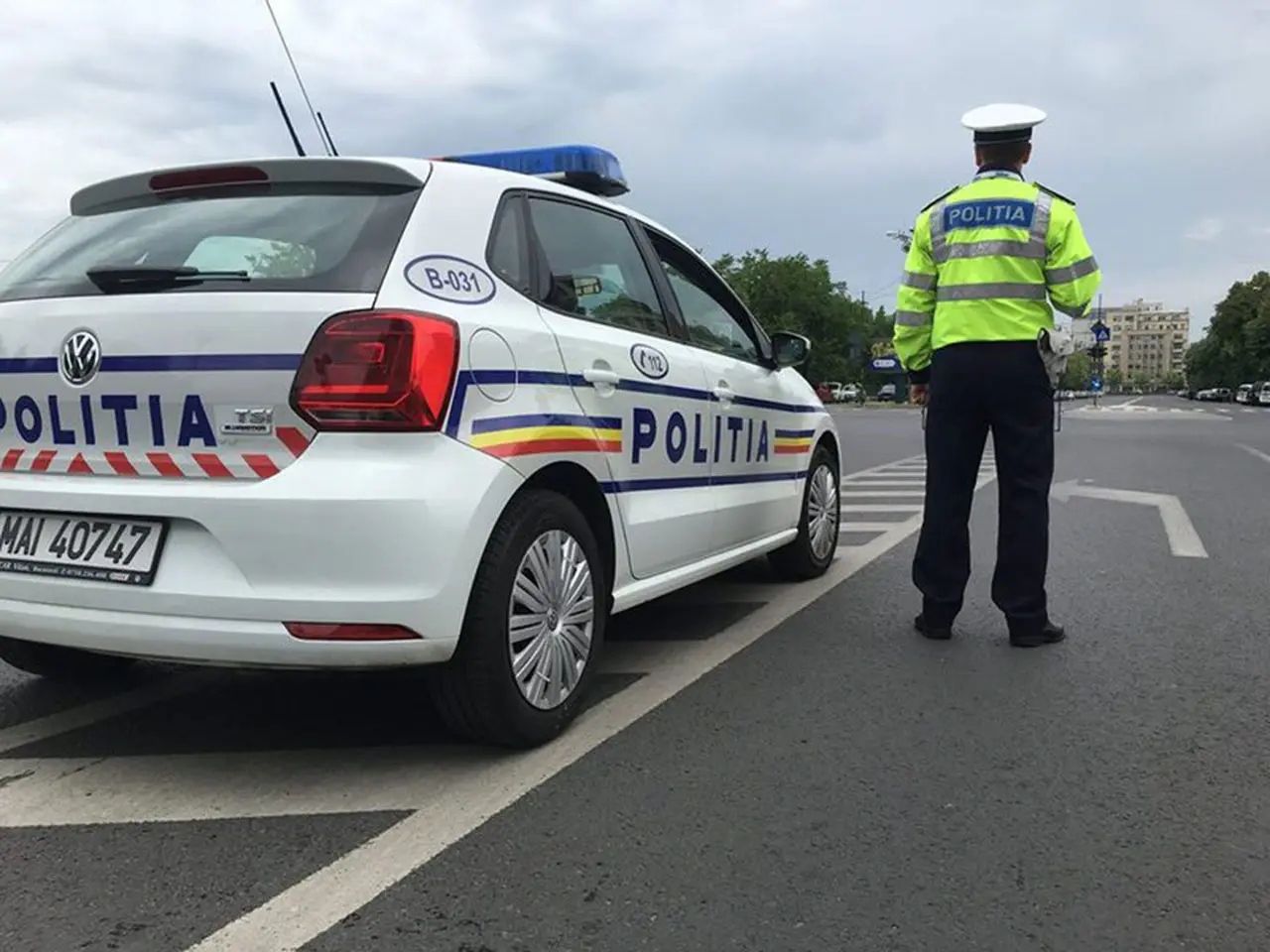
Romanian Police applied 8,423 contraventional sanctions in a 24-hour operation that saw officers respond to 2,888 incidents across the country, according to the General Inspectorate of Romanian Police. The fines, totaling more than 3.76 million lei, were issued for violations of legislation during actions aimed at maintaining public order and increasing citizen safety. Police organized 516 actions nationwide, intervening in requests that included 2,424 emergency calls made through the 112 number.
Officers identified 17 persons wanted nationally and internationally and ordered 71 preventive measures in ongoing cases. The scale of the operation required coordination across multiple jurisdictions, with resources deployed to address both routine violations and serious criminal activity. A portion of the enforcement activities was conducted under the national action "Blocada," coordinated by the Ministry of Internal Affairs.
Over 3,000 police officers and gendarmes participated in checks designed to combat violent acts, drug trafficking and consumption, and increase road safety. The operation established 390 road checkpoints, where officers checked 6,268 vehicles and identified 9,723 persons. Traffic enforcement produced significant results.
Police identified 88 traffic offenses and suspended 478 driving licenses during the 24-hour period. Of those suspensions, 128 were for speeding violations and 27 for driving under the influence of alcohol. Officers withdrew 407 registration certificates due to traffic irregularities, a measure intended to remove non-compliant vehicles from the road.
The "Blocada" operation included systematic testing for impairment. Police conducted 2,329 alcohol tests and 55 psychoactive substance tests during the roadside checks. These screenings led to 207 license suspensions and the withdrawal of 166 registration certificates.
The testing protocols represent a focused effort to identify and remove impaired drivers before they cause accidents. The financial impact of the enforcement actions reflects the volume and severity of violations. The total value of fines exceeded 3.76 million lei, a figure that includes penalties for traffic infractions, public order violations, and other breaches of legislation.
The amount represents one day of enforcement activity across the country's police districts. The operation's structure allowed for both reactive and proactive policing. While officers responded to nearly 2,900 incidents reported by citizens, they simultaneously conducted planned checks at strategic locations.
The 390 checkpoints were positioned to maximize coverage of high-traffic areas and known problem zones. This dual approach enabled police to address immediate threats while maintaining pressure on chronic violations. The identification of 17 wanted persons during routine operations demonstrates the value of sustained enforcement presence.
These individuals, sought for offenses ranging from local warrants to international alerts, were located during traffic stops, incident responses, and checkpoint screenings. Their apprehension removes active fugitives from circulation and closes open cases. Preventive measures ordered in 71 ongoing cases represent judicial interventions requested by investigators.
These measures, which can include restraining orders, travel restrictions, or custody modifications, are designed to prevent further offenses while cases proceed through the legal system. The volume of such requests indicates active criminal investigations across multiple jurisdictions. The withdrawal of 407 registration certificates addresses vehicles that fail to meet legal standards.

These withdrawals, separate from driver license suspensions, target mechanical defects, expired inspections, and fraudulent documentation. The measure removes unsafe or illegal vehicles from operation until owners rectify the violations. Road safety enforcement focused on the most dangerous behaviors.
The 128 speeding suspensions and 27 alcohol-related suspensions target drivers whose actions create immediate risk. Speeding remains a leading factor in fatal accidents, while impaired driving compounds reaction time deficits with judgment impairment. The suspensions remove these drivers from the road for periods determined by the severity of the violation.
The General Inspectorate of Romanian Police announced that such controls and integrated actions will continue. The statement indicates that the 24-hour operation represents a model for ongoing enforcement rather than a one-time initiative. Sustained operations of this type require coordination between local police units, specialized divisions, and support services.
The "Blocada" operation's structure provides a template for future actions. By concentrating resources during a defined period, police can achieve enforcement levels that exceed routine patrol capacity. The 3,000 officers and gendarmes deployed represent a significant commitment of personnel, requiring shift adjustments and inter-agency cooperation.
The 516 organized actions encompassed a range of activities beyond traffic enforcement. These included checks of commercial establishments, verification of persons under judicial supervision, and targeted patrols in areas with elevated crime rates. The diversity of actions reflects the operation's broad mandate to address multiple aspects of public safety.
The nearly 2,900 incidents police intervened in during the 24-hour period represent the baseline demand for law enforcement services. These calls, predominantly routed through the 112 emergency number, required officers to balance planned enforcement activities with responsive policing. The volume underscores the continuous nature of police work even during intensive operations.
The operation's results will be measured not only in immediate enforcement statistics but in their deterrent effect. The visibility of 390 checkpoints, the processing of nearly 10,000 identified persons, and the application of more than 8,400 sanctions send a clear message about enforcement priorities. Whether this translates into sustained behavioral change depends on the consistency of future operations.
The Ministry of Internal Affairs' coordination role indicates government-level support for aggressive enforcement. The ministry's involvement suggests that the "Blocada" operation aligns with broader policy objectives related to public safety and crime reduction. This institutional backing provides the resources and authority necessary for large-scale operations.
The financial total of 3.76 million lei in fines represents potential revenue, though collection rates for contraventional sanctions vary. The figure serves primarily as an indicator of enforcement volume rather than a guaranteed budget supplement. Some fines will be contested, others will go unpaid, and collection efforts will extend beyond the 24-hour operational period.
The Romanian Police's announcement of continued operations establishes an expectation for ongoing enforcement at elevated levels. Whether subsequent actions will match the intensity of this 24-hour period remains to be seen, but the stated commitment suggests that authorities view sustained pressure as necessary for achieving public safety objectives.
Source: www.stiridecluj.ro
Comentarii
Fii primul care comentează.